Change the Mood with Light – Time-Controlled Lighting Serving Art in the Home

Change the Mood with Light – Time-Controlled Lighting Serving Art in the Home
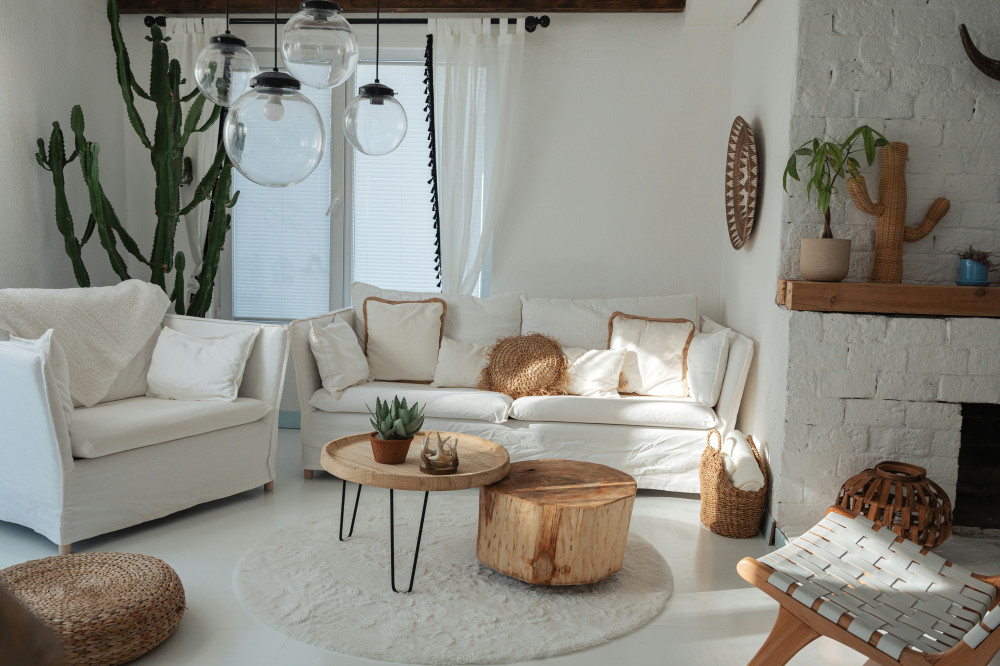
Light is more than a practical necessity—it’s a mood-shaping element that can transform a space from neutral to vibrant, from calm to energizing. In recent years, time-controlled lighting has found its way into many American homes, not just as a technological convenience but as a creative tool for shaping atmosphere and emotion. When light becomes part of a home’s artistic expression, it opens new ways to experience both space and time.
Light as a Mood Creator
We instinctively know that light affects how we feel. Warm, dim light can create a sense of calm and intimacy, while cool, bright light can boost focus and energy. With time-controlled lighting, you can let illumination follow the rhythm of the day—supporting both well-being and aesthetics.
Imagine your morning light gradually brightening as the sun rises, and your evening light softening into golden tones that invite relaxation. It’s not just about comfort; it’s about creating a sensory experience where light becomes part of your home’s story.
Where Technology Meets Aesthetics
Time-controlled lighting today is far more sophisticated than a simple timer that turns lamps on and off. Modern smart systems can adjust color temperature, brightness, and direction throughout the day. This allows you to work with light as an artistic medium—on par with color, texture, and form.
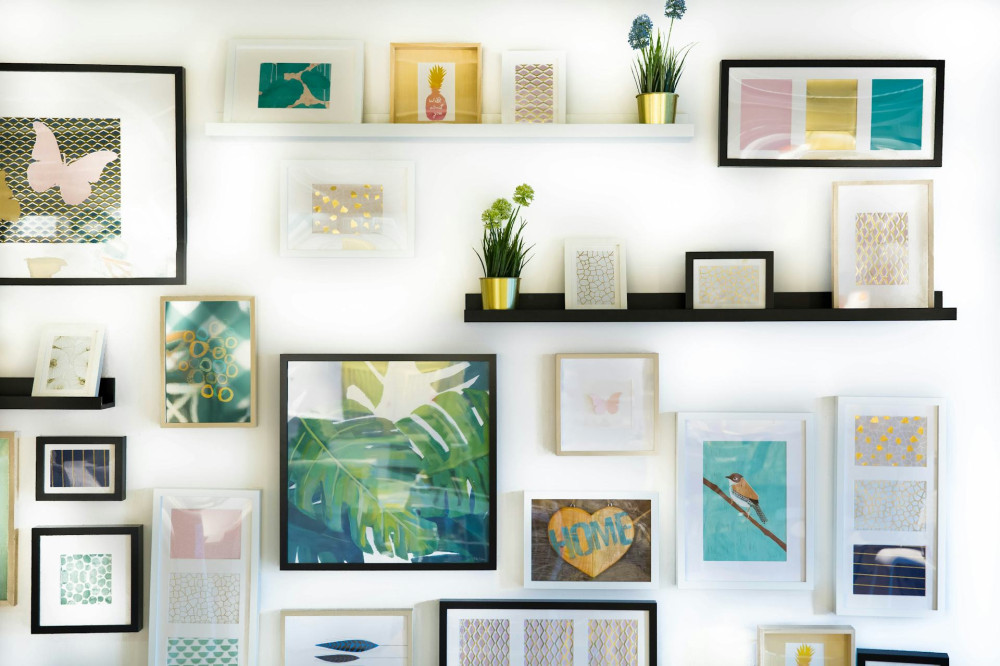
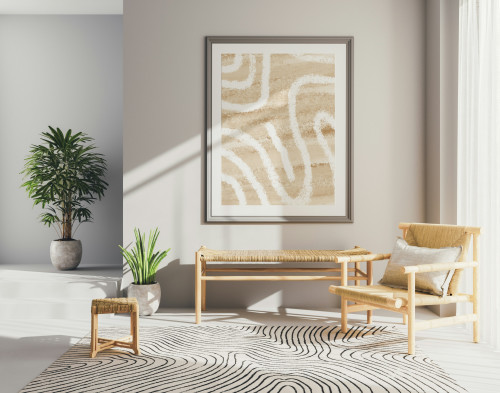
Artists and designers have long experimented with light as a form of expression, but now you can bring that experience into your own home. A wall can be highlighted with shifting light that changes character over time, or a painting can come alive as lighting adapts to its colors and mood.
Læs også:
Compose Your Own Light Sequence
Working with time-controlled lighting doesn’t require complex equipment. Many smart bulbs and fixtures can be managed through apps, allowing you to set scenes for different times of day. You can compose your own lighting sequence—like a piece of music playing quietly in the background of your daily life.
- Morning: Use cool, bluish light to stimulate energy and focus.
- Afternoon: Shift to neutral white light that enhances colors and details.
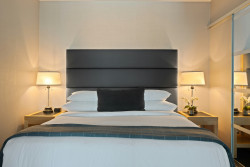
- Evening: Dim the lights and choose warm tones that create calm and comfort.
- Night: Let a soft amber glow guide you without disturbing your sleep.
By letting light follow your rhythm, you create a harmonious balance between function and feeling.
Light as Part of Home Art
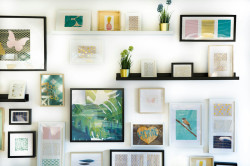
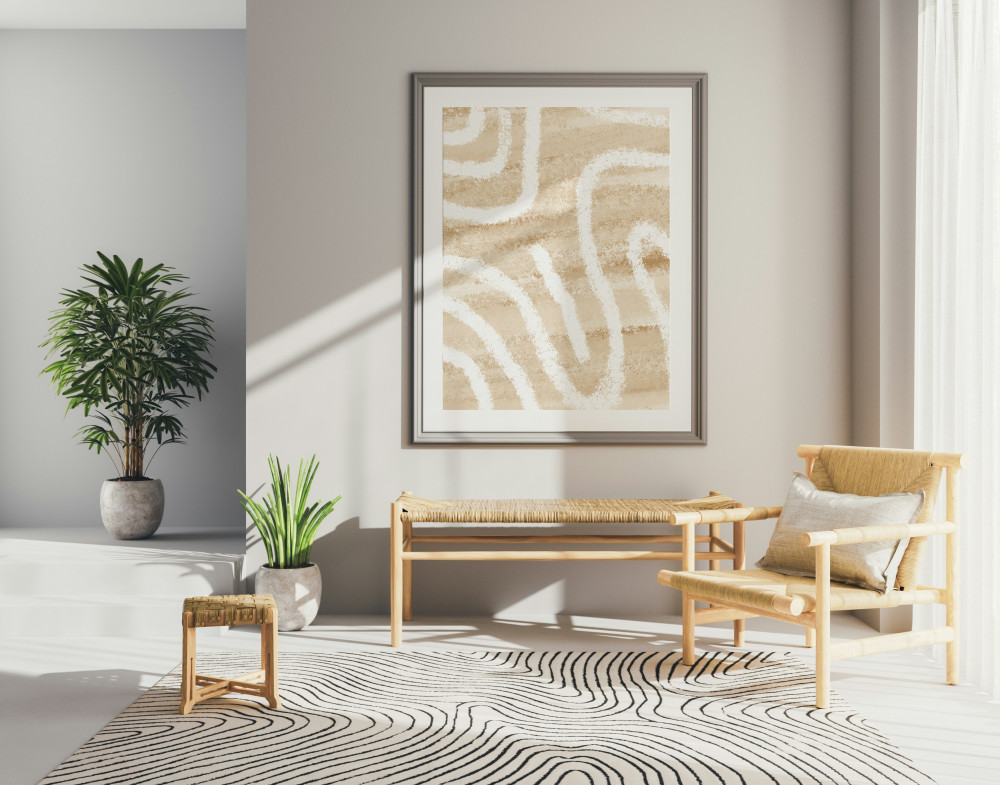
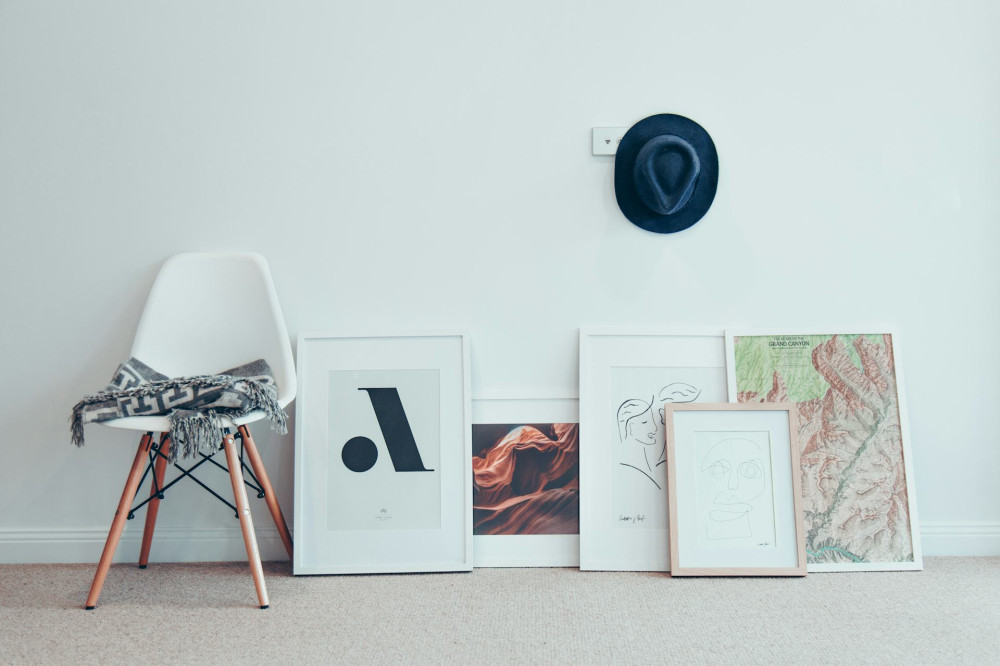
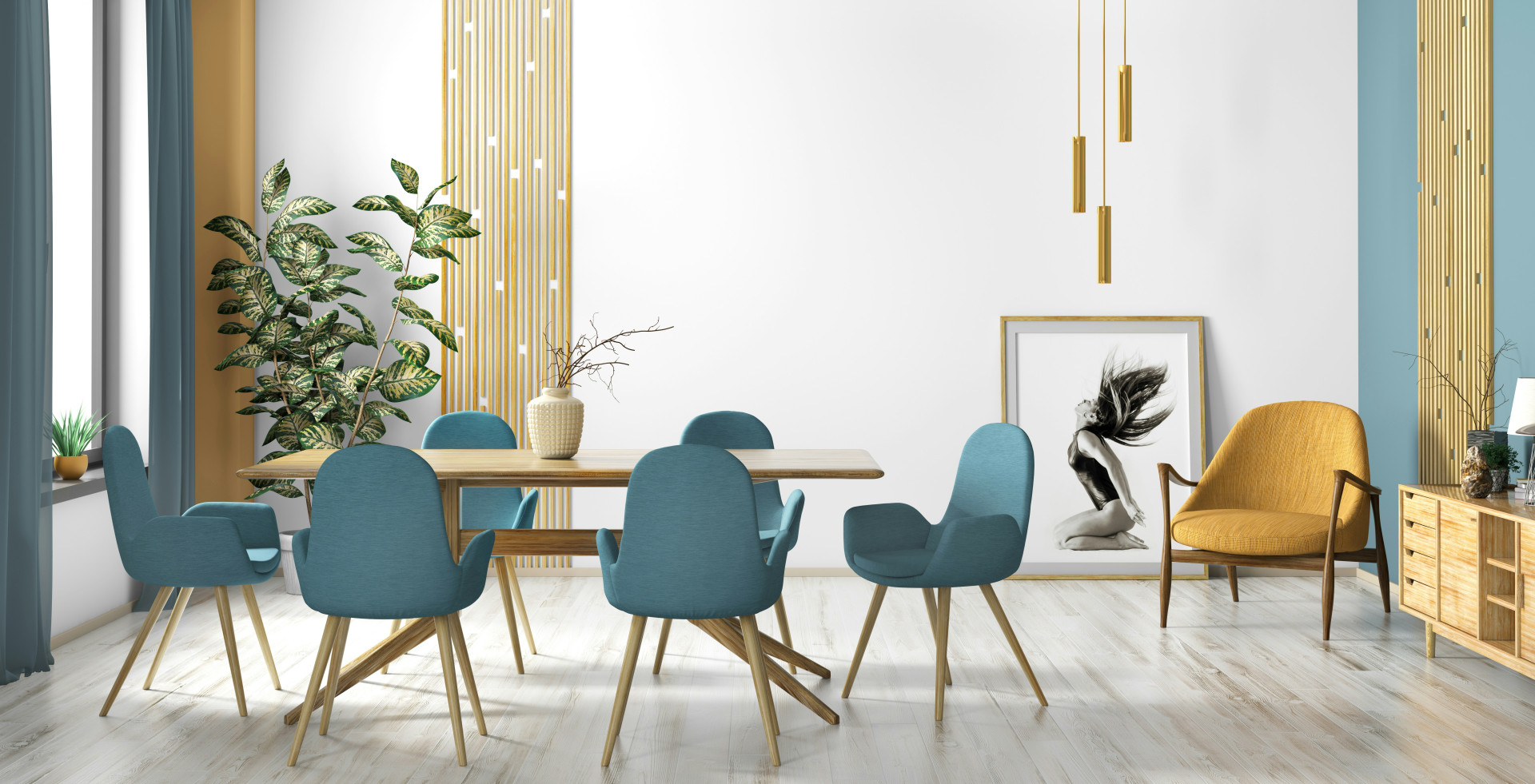
When lighting becomes time-controlled, it can also serve as an artistic device. A room can change character throughout the day—from a bright gallery in the morning to a cozy studio at night. Light can highlight sculptures, paintings, or textiles in different ways, allowing you to experience your home as a living gallery.
Some homeowners even let light interact with music or movement, responding to the mood of the space. This creates a dynamic experience where the home itself becomes a work of art—one that evolves with you.
An Investment in Well-Being and Expression
Time-controlled lighting isn’t just about technology—it’s about quality of life. It can improve sleep, enhance concentration, and promote relaxation, all while offering a new way to express personal style. Whether you live in a modern apartment or a traditional house, light can be your tool for shaping atmosphere and telling your own story.
When you think of lighting as part of your home’s art, it’s no longer just about lamps and watts—it’s about experience, rhythm, and emotion.
Læs også: