Fire Prevention in Your Vacation Home – How to Keep It Safe When You’re Away

Fire Prevention in Your Vacation Home – How to Keep It Safe When You’re Away
A vacation home is a place to relax, recharge, and make memories. But when the season ends and the house sits empty for weeks or months, it can become vulnerable to fire. A faulty outlet, a lightning strike, or a forgotten appliance can cause serious damage if no one is around to notice. Fortunately, a few simple precautions can greatly reduce the risk. Here’s how to keep your vacation home safe from fire while you’re away.
Unplug and Disconnect Power
Before leaving your vacation home for an extended period, make sure to turn off or unplug anything that doesn’t need to stay on. Electrical malfunctions are one of the leading causes of house fires in the U.S.
- Unplug small appliances like coffee makers, toasters, and radios.
- Turn off the main breaker if the home will be vacant for months—unless you need power for heating or security systems.
- Inspect wiring and outlets regularly. Frayed cords or outdated electrical panels should be replaced by a licensed electrician.
If you have a security or monitoring system that requires power, consider shutting off only selected circuits instead of the entire system.
Remove Flammable Materials
Vacation homes often contain wood furniture, fabrics, and paper—all of which can fuel a fire. Reducing the amount of combustible material around the property helps limit the risk.
- Clear debris around the house. Remove dry leaves, branches, and firewood stacked near walls or decks.
- Store flammable liquids such as gasoline, paint, and propane in a detached, well-ventilated shed.
- Close off the fireplace or chimney when not in use to prevent birds or debris from blocking it.
Keeping the area around your home tidy also makes it easier for firefighters to access the property if needed.
Install Smoke Alarms and Monitoring Systems
Even when you’re not there, technology can help you detect a fire early.
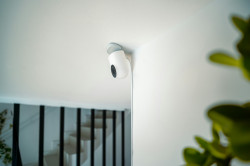
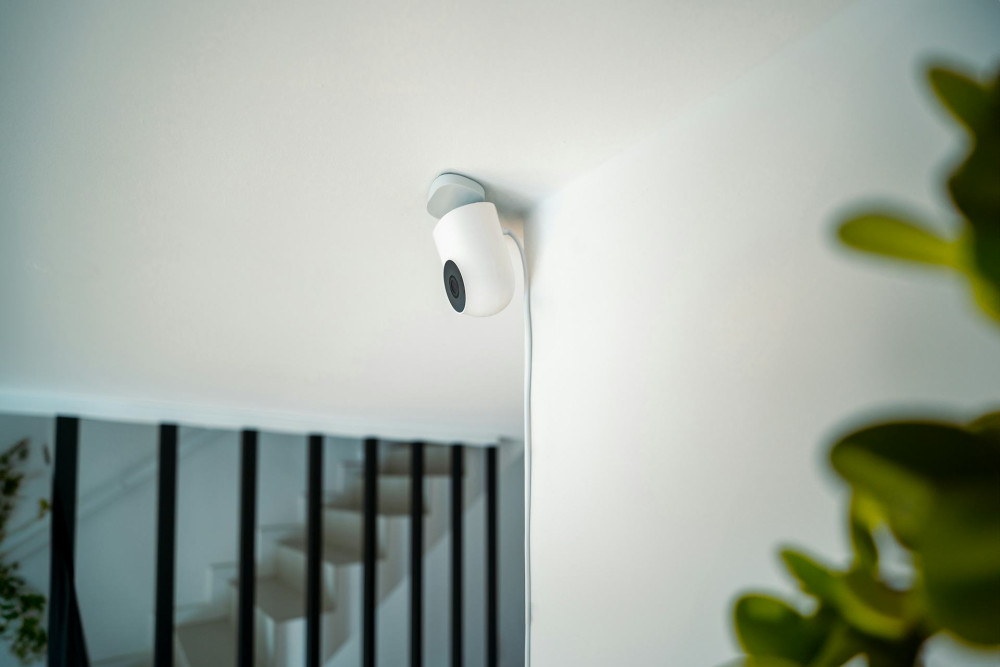
- Install smoke alarms in every bedroom, hallway, and main living area. Choose models that can send alerts to your smartphone.
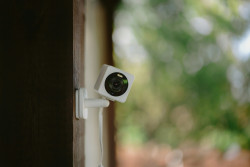
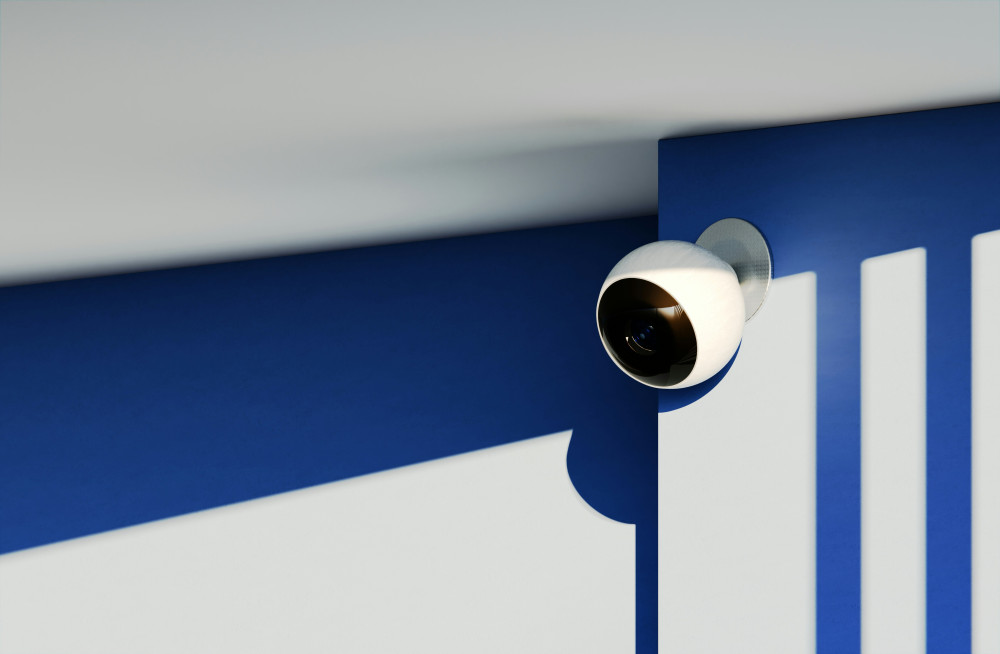
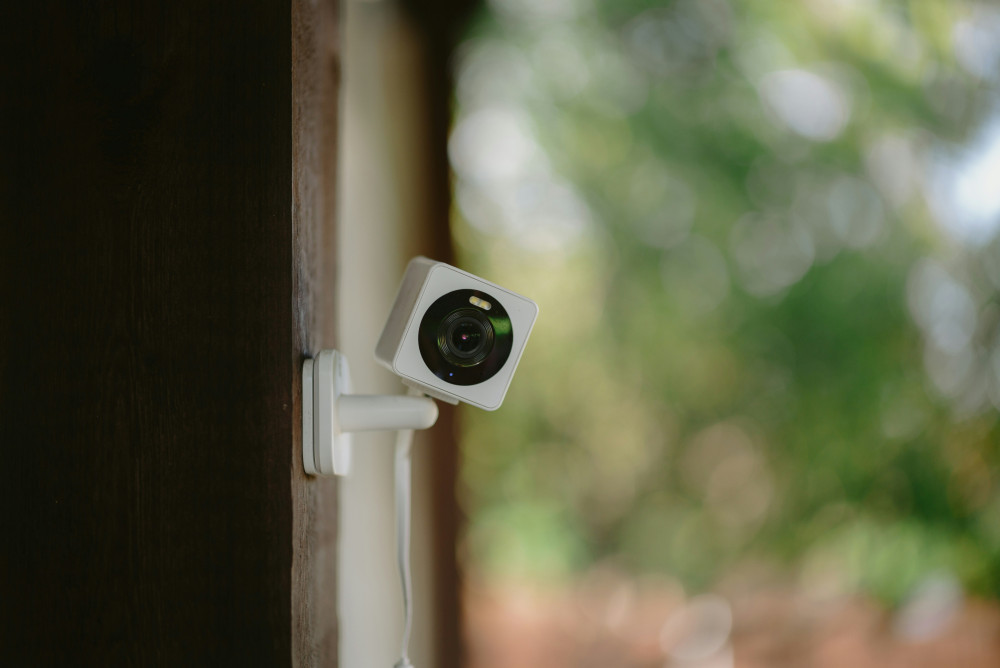
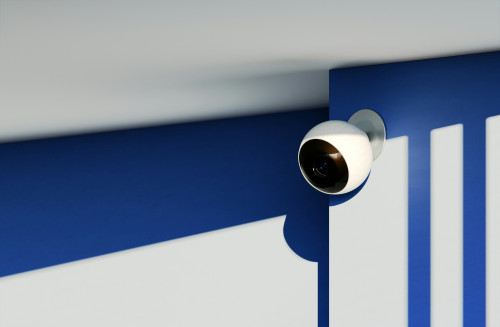
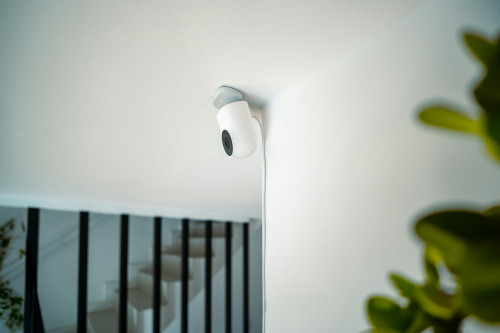
- Consider a monitored fire alarm system that connects via Wi-Fi or cellular network, so you’re notified immediately if something happens.
- Combine fire and security systems—many modern setups detect both smoke and temperature changes.
A reliable alarm system is a small investment that can prevent major losses and give you peace of mind.
Læs også:
Check Heating Systems and Chimneys
Many vacation homes rely on fireplaces, space heaters, or heat pumps to stay warm in the off-season. These can be fire hazards if not properly maintained.
- Have the chimney cleaned at least once a year, even if you use it only occasionally.
- Empty ashes and soot from the fireplace before leaving.
- Keep flammable items like curtains and furniture at least three feet away from heaters.
- Set thermostats or heat pumps to safe, energy-efficient levels to prevent overheating.
If you use electric heaters, choose models with automatic shut-off features and never cover them.
Protect Against Lightning and Power Surges
Vacation homes in rural or coastal areas are often more exposed to storms. Lightning strikes and power surges can cause fires or damage electronics.
- Install surge protectors in your electrical panel to guard against voltage spikes.
- Unplug antennas, routers, and entertainment systems before leaving.
- Consider a lightning rod system if your home sits on a hill or in an open area.
These measures are especially important for older homes with outdated wiring.
Ask a Neighbor to Keep an Eye Out
One of the best ways to prevent damage is to have someone check on your property periodically. A trusted neighbor, caretaker, or local property manager can spot problems early.
- Arrange regular check-ins, especially after storms or power outages.
- Provide contact information so they can reach you quickly if something seems wrong.
- Notify your insurance company if you have a formal watch agreement—some offer discounts for monitored properties.
A home that looks occupied is also less likely to attract vandals or burglars.
Prepare for the Off-Season
When closing up your vacation home for the season, go through a simple checklist:
- Turn off or unplug unnecessary electrical devices.
- Shut off the water supply and drain pipes to prevent freezing.
- Remove flammable materials and trash.
- Test smoke alarms and monitoring systems.
- Lock all doors and windows, and inspect the roof for leaks.
A thorough end-of-season check takes little time but can save you from costly repairs later.
Peace of Mind All Year Long
Fire prevention isn’t just about equipment—it’s about awareness and preparation. A few smart habits and a bit of planning can make all the difference. When you lock up your vacation home, you should be able to drive away knowing you’ve done everything possible to keep it safe.
Protecting your vacation home means protecting the memories and moments that make it special.
Læs også: