Illegally Built Garages – How Insurance Companies Assess Them

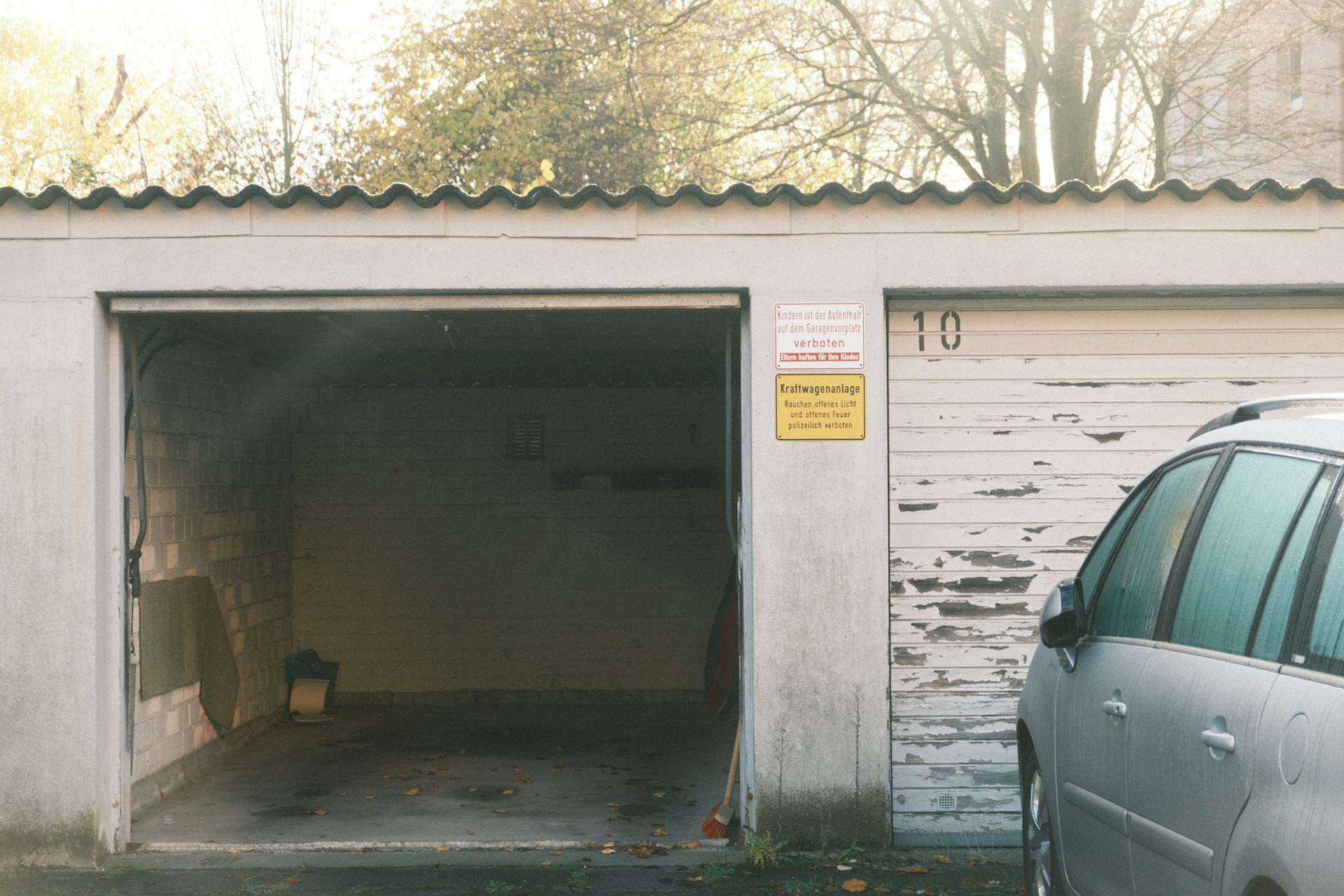
Illegally Built Garages – How Insurance Companies Assess Them
A garage might seem like a simple structure — a place to park your car, store tools, or add extra space. But if it’s built without the proper permits, it can lead to serious consequences, especially when it comes to insurance. Many homeowners only discover the problem after damage occurs and their insurer refuses to pay. Here’s an overview of how insurance companies in the United States evaluate illegally built garages and what you can do if you find yourself in that situation.
What Does It Mean for a Garage to Be “Illegally Built”?
A garage is considered illegally built if it doesn’t comply with local building codes or zoning regulations. This could mean the owner never obtained a building permit, the structure was placed too close to a property line, or it doesn’t meet safety standards for fire resistance, materials, or height.
Even small deviations can matter. Some homeowners assume that small detached structures don’t require permits, but the rules vary by city, county, and state. Always check with your local building department before starting construction to ensure your project meets all requirements.
Læs også:


How Insurance Companies Evaluate the Situation
When a loss occurs — such as fire, storm damage, or theft — the insurance company will assess whether the structure was legally built. If it wasn’t, the insurer may deny or reduce coverage.
Insurers typically consider three main factors:
- Legality of the construction – Was a building permit obtained, and was the garage built according to that permit?
- Structural and safety compliance – Does the garage meet building code standards for stability, fire safety, and materials?
- Homeowner’s knowledge – Did the homeowner know the garage was unpermitted, or did they purchase the property in good faith?
If you bought the property without knowing the garage was illegal, some insurers may offer partial coverage, but this depends on the policy terms and the specific circumstances.
Common Scenarios Where Coverage Is Denied
There are several situations where insurance companies may refuse to cover damage to an illegally built garage:
- No building permit: If the garage was never approved by the local building authority, it’s considered unpermitted, and coverage is usually excluded.
- Deviations from the approved plan: If the garage was built larger, taller, or closer to the property line than allowed, the insurer may deny a claim.
- Lack of documentation: If you can’t provide permits, plans, or inspection records, the insurer can’t verify compliance — and may refuse coverage.
- Safety concerns: If the illegal construction poses a safety risk, such as missing fire barriers or unstable foundations, coverage will almost always be denied.
What If You Bought a Home with an Illegal Garage?
Many homeowners discover the issue only after purchasing a property. In that case, you may have legal recourse against the seller if the unpermitted garage wasn’t disclosed. However, your insurance company still may not cover damage to the structure until it’s brought into compliance.
Before buying a home, it’s wise to review the property’s permit history and building records with your local planning department. If you find discrepancies, you can apply for a retroactive permit or “as-built” approval, though this may require paying fees or making modifications to meet code.
How to Legalize an Unpermitted Garage
If you already have an illegally built garage, it’s often possible to correct the issue. The process depends on the extent of the violation and local regulations:
- Contact your local building department – They can tell you whether a permit exists and what steps are needed to legalize the structure.
- Submit documentation – You’ll likely need to provide drawings, measurements, and material details.
- Schedule inspections – A building inspector may need to verify that the garage meets safety and code requirements.
- Obtain approval – Once the structure is approved, update your property records and notify your insurance company.
After the garage is legalized, your insurer can treat it as a standard, covered structure again.
Tips to Avoid Problems
- Always check local permit requirements before building or buying a property.
- Keep all documentation — permits, inspection reports, and approvals are your proof of compliance.
- Notify your insurance company when you add or modify structures on your property.
- Consult a professional — a contractor or real estate attorney can help you navigate local building laws.
Building without a permit might seem like a shortcut, but it can become an expensive mistake. A properly permitted garage not only protects your investment but also ensures that your insurance coverage will be there when you need it most.
Læs også: