Keep Your Roof Felt Clean and Sealed for a Longer Lifespan


Keep Your Roof Felt Clean and Sealed for a Longer Lifespan
A roof covered with roofing felt can last for decades if it’s properly maintained. But like any surface exposed to the elements, it needs regular care. Leaves, moss, and debris can shorten its lifespan, and small cracks or leaks can quickly turn into costly damage if left unchecked. Here’s how to keep your roofing felt clean, sealed, and in good condition so it protects your home for years to come.
Why Maintenance Matters
Roofing felt is durable and flexible, but it’s not indestructible. Sunlight, rain, snow, and temperature changes all wear down the surface over time. When debris or moss holds moisture against the roof, it accelerates deterioration and increases the risk of leaks.
A clean, dry roof stays watertight longer and helps prevent structural damage. Regular maintenance is far cheaper than repairs — a few hours of work each year can save you thousands in the long run.
Clean the Roof Regularly
Plan to clean your roof at least once a year, ideally in spring after winter storms have passed. If your home is surrounded by trees, you may need to clean it more often.
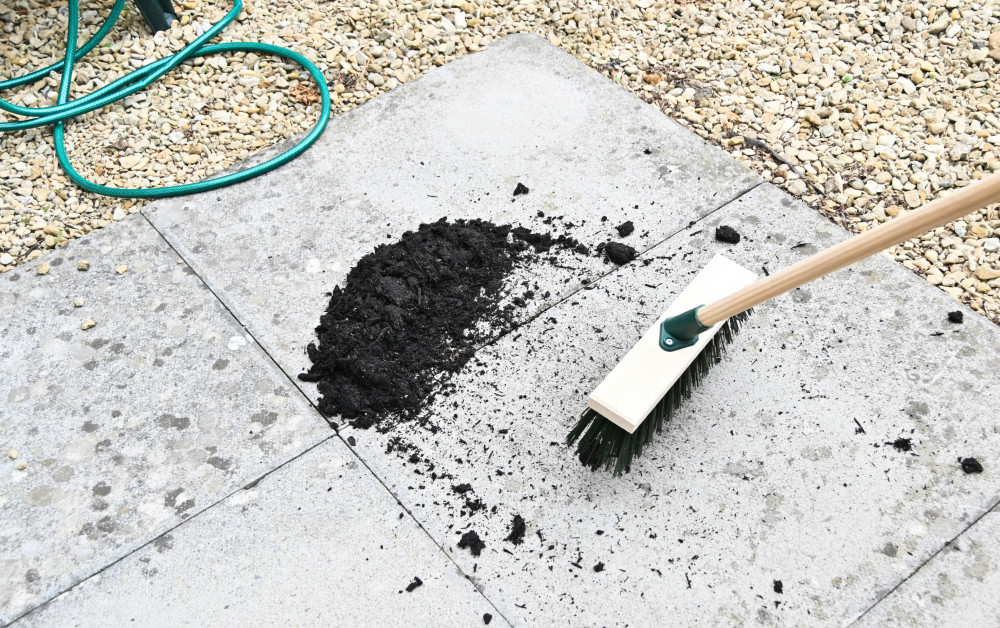
- Remove leaves and branches with a soft broom or brush. Avoid using a pressure washer, as it can damage the felt surface.
- Rinse gently with a garden hose if there’s a buildup of dust or pollen.
- Treat moss and algae with a mild roof cleaner designed for asphalt or felt roofing. Always follow the manufacturer’s directions and rinse thoroughly with clean water.
Once the roof is clean, take the opportunity to inspect it for cracks, blisters, or loose seams.
Inspect for Leaks and Damage
Even small issues can worsen quickly if ignored. Check your roof at least once a year — and always after heavy storms, hail, or freezing weather.
Look for:
- Cracks or splits in the surface.
- Blisters or bubbles, which may indicate trapped moisture.
- Loose seams where sections overlap.
- Dark spots or discoloration, which can signal water intrusion.
If you find damage, act promptly. Minor cracks can often be sealed with roofing cement or patch material, but larger problems should be handled by a professional roofer.
Keep Drainage Clear
Proper drainage is essential for a healthy roof. Standing water can seep into seams and cause leaks.
- Clean gutters and downspouts at least twice a year.
- Make sure the roof slope allows water to flow freely — no puddles should remain after rain.
- Check flashing around chimneys, vents, and skylights to ensure they’re watertight.
A roof that dries quickly after rain will last significantly longer.
Consider a Protective Coating
Over time, roofing felt can lose its protective surface. Applying a roof coating or bitumen-based sealant can extend its life by shielding it from UV rays and moisture. This treatment helps prevent small cracks from spreading and keeps the surface flexible.
It’s best to have a roofing professional assess when your roof might need recoating — typically every 8 to 10 years, depending on climate and exposure.
Læs også:



When to Call a Professional
While many maintenance tasks are simple, some situations require expert help. If you notice large cracks, blisters, or signs of water damage inside your home, contact a licensed roofer. They can perform a full inspection, repair damage correctly, and advise on long-term maintenance.
A professional assessment can also help you plan for future upkeep and ensure your roof remains in top condition.
A Healthy Roof Starts with Attention
Roofing felt doesn’t demand constant care, but it does need regular attention. By keeping it clean, sealed, and well-drained, you can add years to its lifespan and avoid expensive repairs. The key is to stay proactive — a little maintenance now keeps your roof strong and your home protected for the long haul.
Læs også: