Lay Tiles with Care – How to Reduce Waste

Lay Tiles with Care – How to Reduce Waste
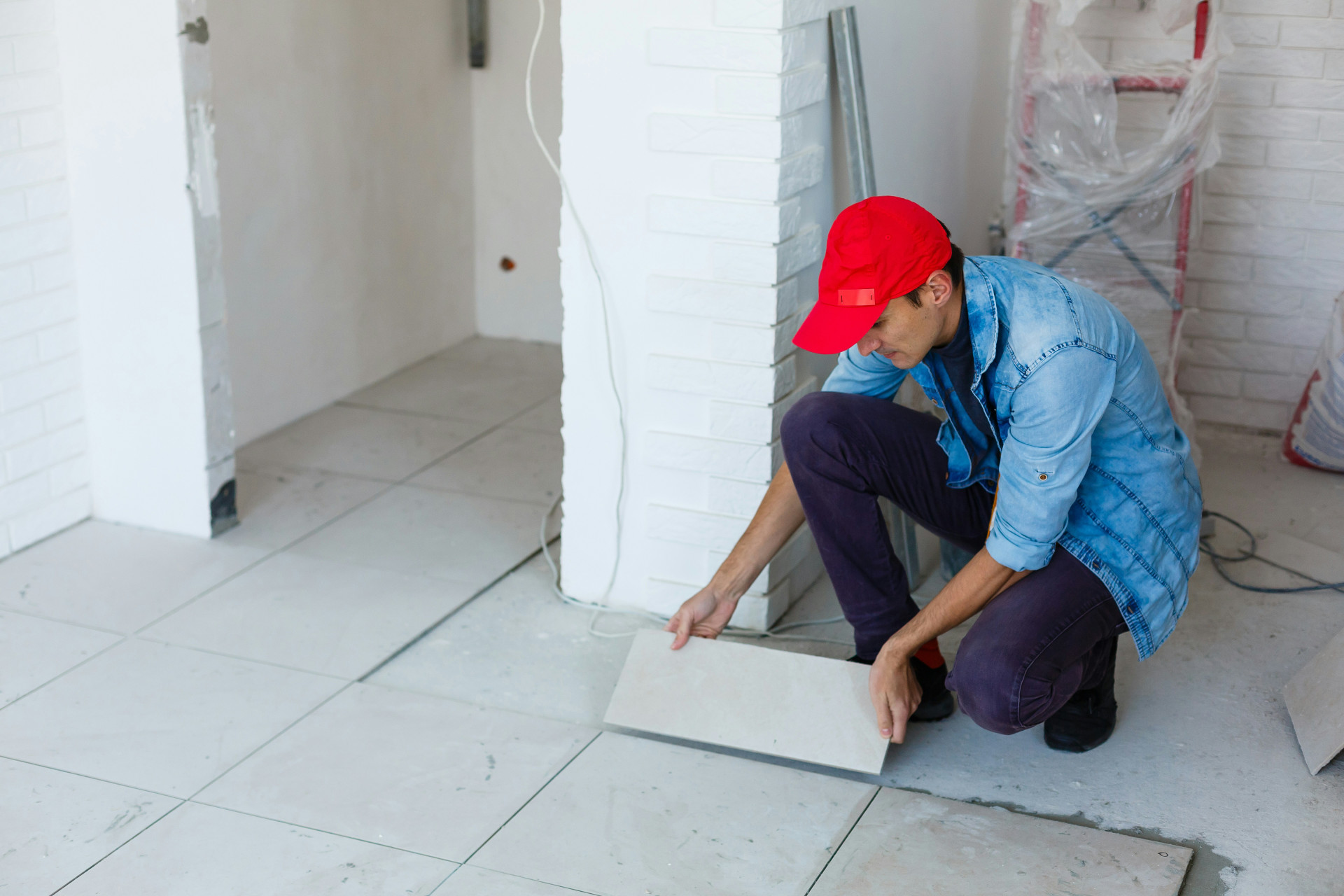
Laying tile isn’t just about looks and durability—it’s also about planning, precision, and mindful use of materials. Every square foot you install can generate waste if the job isn’t carefully thought through. That means extra costs and unnecessary environmental impact. With the right approach, you can minimize waste and still achieve a beautiful, long-lasting result. Here’s a step-by-step guide to laying tiles with care and reducing waste along the way.
Planning Is Key
The path to less waste starts long before you open a bag of thinset. Careful planning helps you make the most of your materials and avoid costly mistakes.
- Measure accurately the area you’ll be tiling. Draw a layout and note any corners, pipes, or obstacles.
- Calculate how many tiles you’ll need with a modest margin—typically 5–10% extra for cuts and breakage. Buying too much “just in case” often leads to leftover waste.
- Consider tile size and pattern. Large-format tiles can create a sleek look with fewer grout lines, but they require a very flat surface. Smaller tiles offer more flexibility, especially in irregular spaces.
A solid plan helps you avoid awkward half-tiles in visible areas and ensures a balanced, professional finish.
Læs også:


Start from the Right Point
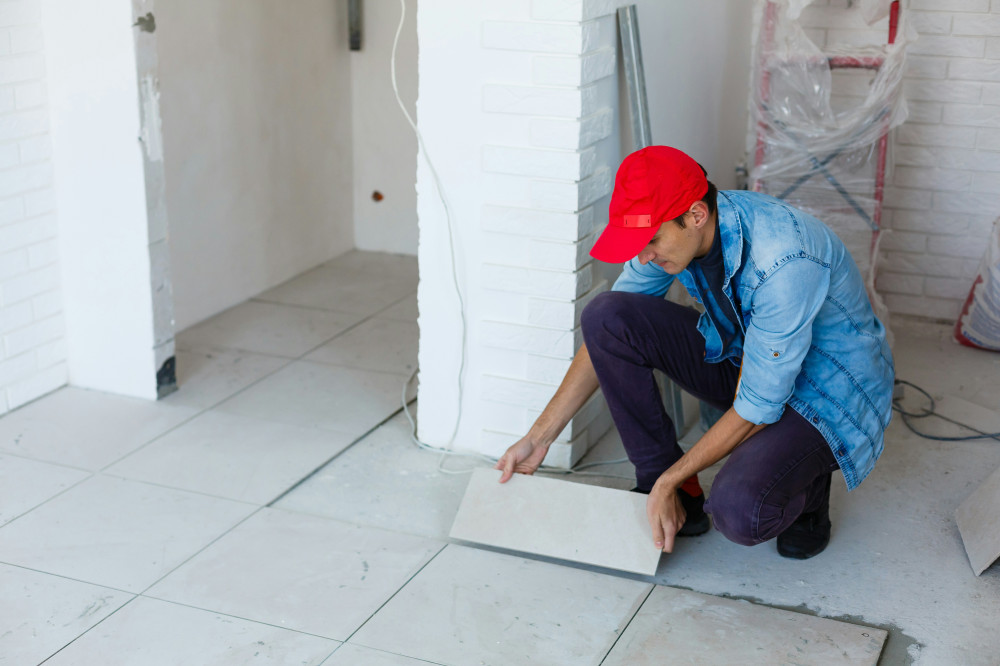
When you begin tiling, choose your starting point carefully. Begin in the center of the room or along a main visual line so that any cut tiles end up in less noticeable spots—like under cabinets or along walls.
Use a chalk line or laser level to mark your reference lines. This keeps your layout straight and prevents small misalignments that can lead to wasted tiles later.
Cut with Care
Tile cutting is where most waste happens. A good cutter and a bit of patience can make all the difference.
- Measure twice, cut once. The old saying holds true here.
- Save your offcuts. Many small pieces can be reused in corners, behind appliances, or as edge fillers.
- Use the right tool. A manual tile cutter works well for ceramic tiles, while porcelain or stone tiles often require a wet saw.
By planning your cuts to make the most of each tile, you can significantly reduce waste and save money.
Mind Your Adhesive and Grout
While tiles are the star of the show, adhesive and grout can also be wasted if not handled properly. Mix only what you can use within 30–40 minutes, and store leftover materials correctly for future touch-ups.
- Mix small batches to avoid hardened leftovers.
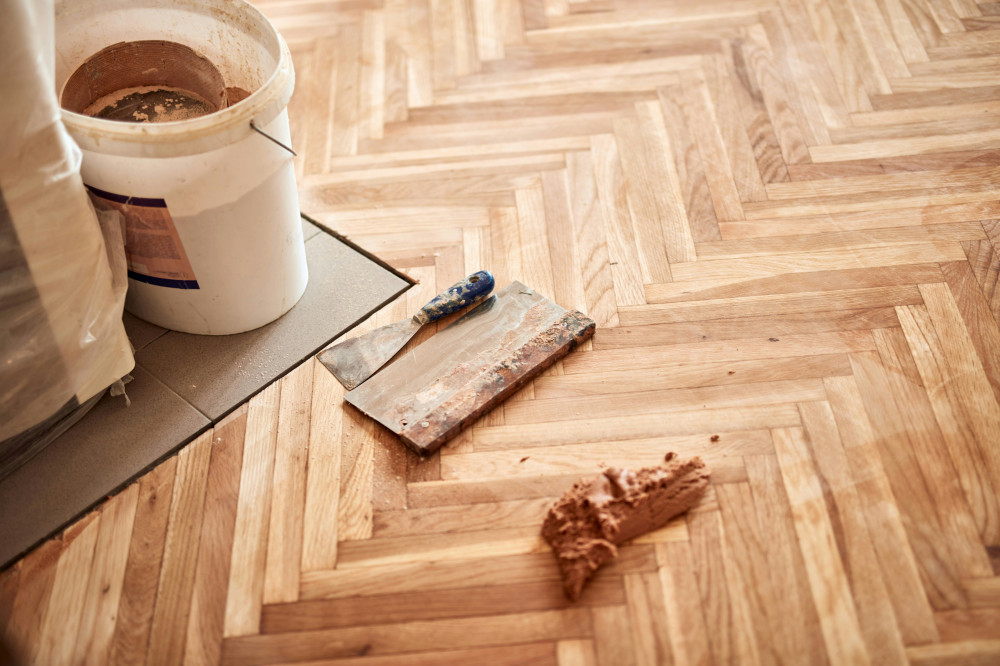
- Use the right trowel size so you don’t apply more thinset than needed.
- Seal and store any remaining grout or adhesive according to the manufacturer’s instructions.
Small adjustments in your workflow can save both materials and cleanup time.
Reuse and Dispose Responsibly
Even with careful planning, some waste is inevitable. But much of it can be reused or disposed of responsibly.
- Keep extra tiles and larger pieces for future repairs or replacements.
- Use broken tiles as filler for outdoor projects, such as garden paths or drainage layers.
- Recycle leftover materials where possible—many local recycling centers accept construction debris, including ceramics and cement-based products.
Thinking about reuse and recycling from the start helps reduce your project’s environmental footprint.
A Beautiful Result with a Clear Conscience
Laying tiles with care isn’t just about saving money—it’s about respecting your materials and the environment. When you plan thoroughly, cut precisely, and reuse what you can, you’ll end up with a floor or wall that’s not only beautiful and durable but also responsibly made.
With a little extra thought and preparation, you can create a result that’s strong, sustainable, and satisfying—proof that good craftsmanship begins with good planning.
Læs også: