Live Minimally – and Cut Down on Your Spending

Live Minimally – and Cut Down on Your Spending
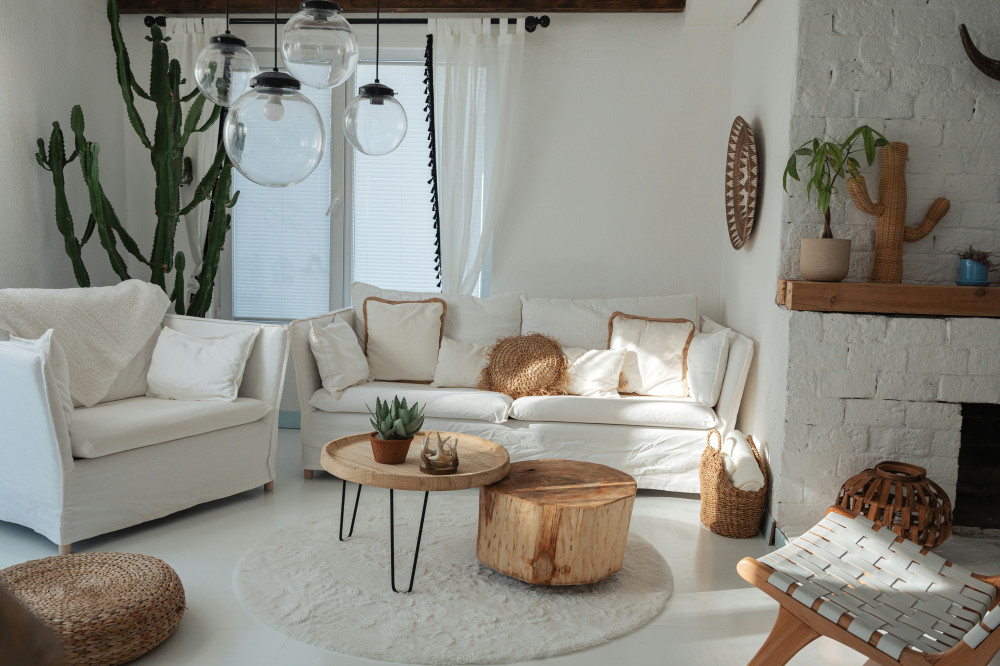
Minimalism isn’t just about owning fewer things – it’s about creating more peace, balance, and financial freedom. In a culture where advertising constantly encourages us to buy more, it can feel liberating to take a different path: to live with less, but better. Here’s how you can reduce your spending and find more satisfaction by embracing a minimalist lifestyle.
What Does It Mean to Live Minimally?
Living minimally doesn’t mean living in an empty apartment or giving up everything that brings you joy. It’s about focusing on what truly matters to you – and letting go of what doesn’t. When you choose quality over quantity, you simplify your life and strengthen your finances.
Minimalism can look different for everyone. For some, it’s about decluttering their homes; for others, it’s about cutting back on consumption, traveling light, or spending more time on experiences rather than possessions. The common goal is to create freedom and balance.
Start by Understanding Your Spending
Before you can cut back, you need to know where your money goes. Review your expenses from the past few months. Many people are surprised by how much they spend on small purchases, subscriptions, or impulse buys.
Make a list of your expenses and divide them into three categories:
- Essential expenses – rent or mortgage, groceries, utilities, transportation, insurance.
- Optional expenses – dining out, clothing, entertainment, subscriptions.
- Unnecessary expenses – things you don’t really use or enjoy.
Once you see the numbers clearly, it becomes easier to decide what to cut and where you can save the most.
Declutter – and Sell What You Don’t Use
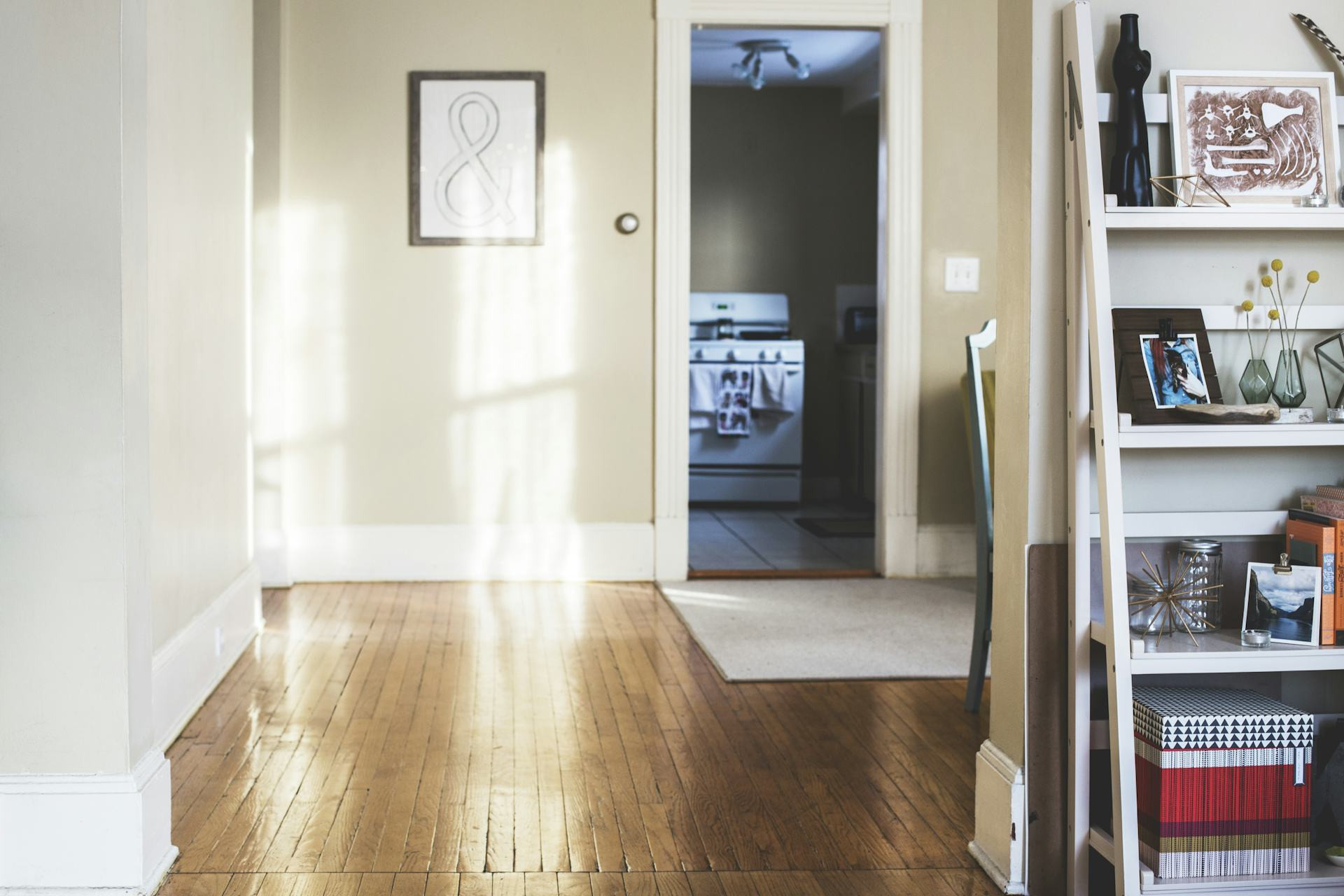
One of the most tangible steps toward minimalism is decluttering your home. Go through your belongings room by room: clothes, kitchen items, electronics, books. Ask yourself whether you truly use or value each item.
What you no longer need can be:
- Sold through online marketplaces or local yard sales.
- Donated to charities or community organizations.
- Recycled or repurposed if it’s no longer usable.
You’ll gain both physical space and a financial boost – and you’ll become more mindful about what you bring into your home in the future.
Buy Less – but Buy Better
Minimalism isn’t about depriving yourself; it’s about making intentional choices. When you do buy something new, ask yourself:
- Do I really need this?
- Can I borrow, rent, or buy it secondhand instead?
- Will it last, and can it be repaired?
Investing in quality over quantity saves money in the long run. A well-made pair of shoes, a durable pan, or a classic coat can last for years instead of being replaced every season.
Læs også:



Cut Down on Fixed Expenses
Many of our expenses run quietly in the background, but they often offer the biggest opportunities for savings:
- Review your subscriptions – do you really need multiple streaming services, gym memberships, or apps?
- Compare insurance and utility rates – switching providers can save hundreds of dollars a year.
- Plan your meals – cooking at home and reducing food waste can make a big difference.
- Rethink transportation – can you carpool, bike, or use public transit instead of driving everywhere?
Small changes in your daily habits can quickly add up – and give you a greater sense of control over your finances.
Find Joy in Simplicity
When you spend less, you don’t just save money – you gain time and peace of mind. Less clutter means fewer things to maintain, clean, or worry about. That leaves more room for what truly matters: time with family, meaningful experiences, or simply quiet moments to recharge.
Many people find that minimalism doesn’t feel like sacrifice at all – it feels like relief. You realize that happiness doesn’t come from owning more, but from appreciating what you already have.
A Life with Fewer Things – and More Freedom
Living minimally is a journey, not a destination. You don’t have to change everything overnight. Start small – declutter one closet, cancel one subscription, or try a week without shopping. Each step brings you closer to a life with fewer worries and greater financial freedom.
When you spend less, you gain more than just savings – you gain the freedom to choose how you want to live. And that might be the greatest reward of all.
Læs også: