Make Your Appliances Last Longer with Regular Use

Make Your Appliances Last Longer with Regular Use
Home appliances are the backbone of modern living — they wash, dry, cool, and cook for us every day. But many Americans find that their machines lose efficiency or break down sooner than expected. Often, the problem isn’t a manufacturing defect but how the appliance is used. With steady, proper use, you can extend the life of your appliances, save money, and reduce waste. Here’s how to make your household machines last longer.
Why Regular Use Matters
Appliances are designed to run regularly. When they sit unused for long periods, parts like pumps, seals, and valves can dry out or seize up. On the other hand, overuse or overloading can wear out motors and bearings prematurely. The key is balance — consistent, moderate use.
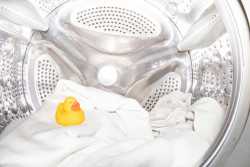
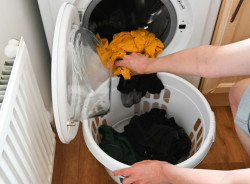
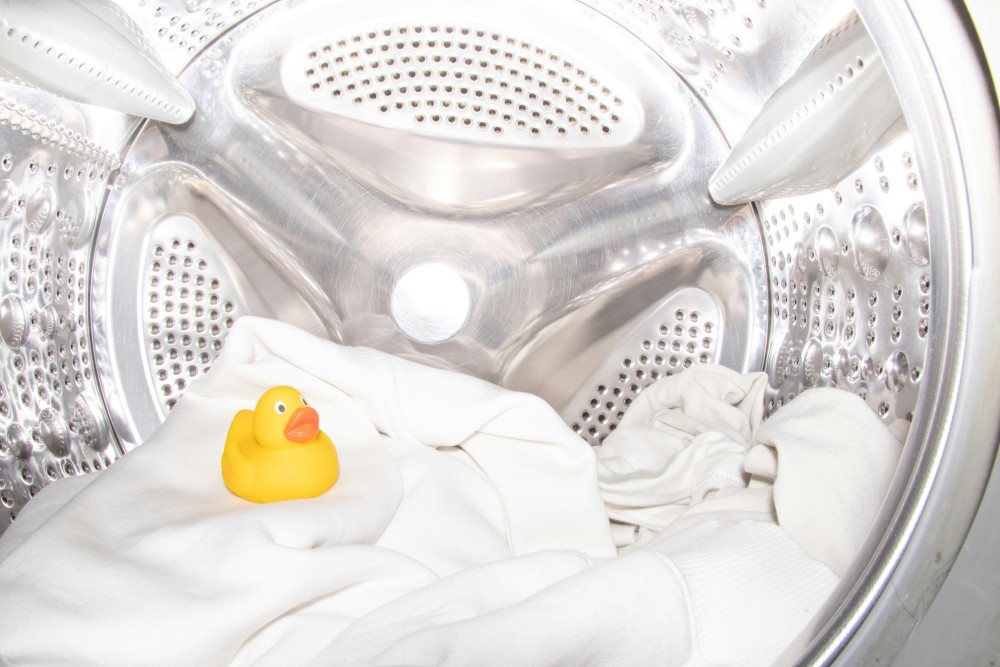
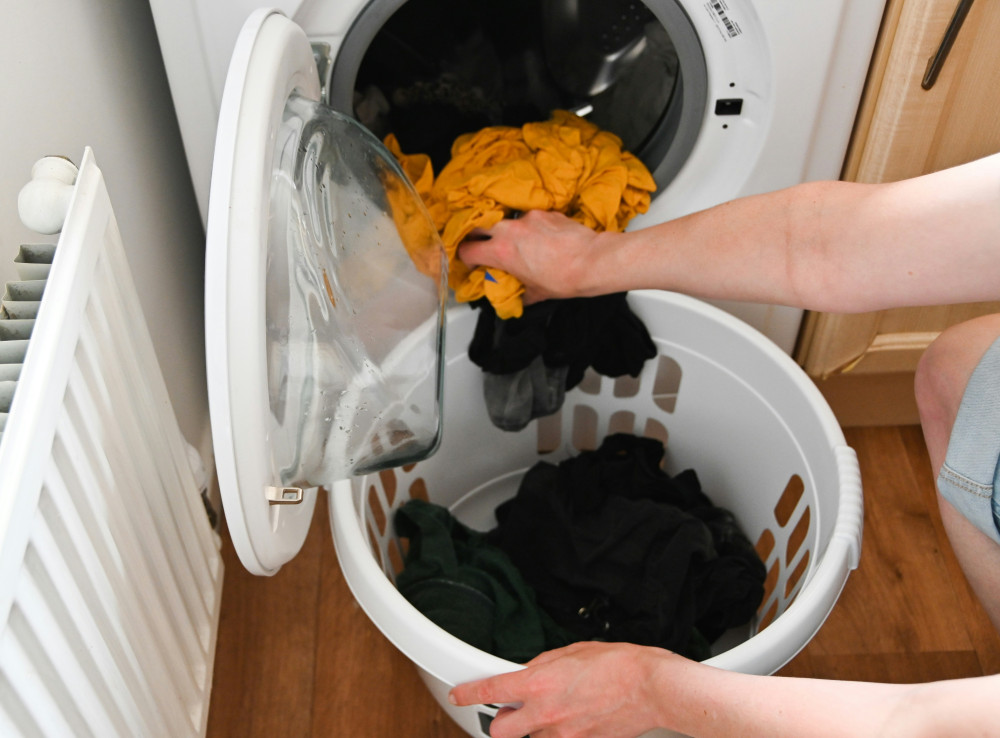
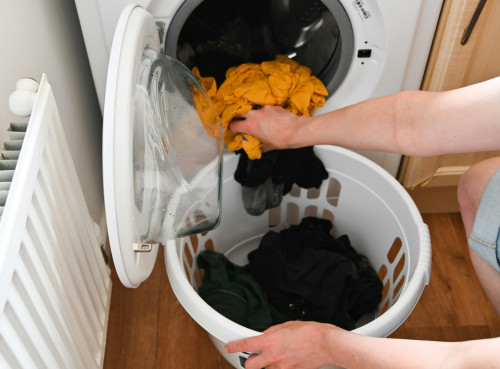
Take your washing machine, for example. If you only run it a few times a month, leftover water and detergent can cause odors and buildup. But if you run it daily with overloaded drums, the motor and bearings will wear faster. A steady rhythm with properly sized loads is best for both your clothes and your machine.
Washer and Dryer – Balance and Maintenance
To keep your washer running smoothly:
- Wash regularly, but not constantly. For most households, one to three loads per week is ideal.
- Use the right amount of detergent. Too much soap can leave residue and cause unpleasant smells.
- Run a cleaning cycle once a month with hot water and a bit of white vinegar or a washer cleaner.
- Wipe down the door seal and drum after each use to prevent mold and mildew.
Your dryer also benefits from consistent use and care. Always clean the lint filter after every load and empty the moisture container if you have a condenser model. Every few months, vacuum around the vents and back panel to prevent overheating and improve efficiency.
Læs også:
Refrigerator and Freezer – Keep Temperatures Steady
Cooling appliances work best when they maintain a stable temperature. Frequent temperature swings make the compressor work harder and use more energy.
- Keep them reasonably full. A half-empty fridge uses more energy, while an overstuffed one blocks airflow.
- Defrost your freezer regularly. Ice buildup forces the motor to run longer.
- Clean the condenser coils (usually behind or underneath) twice a year — dust here can increase energy use significantly.
- Close the door quickly. Every second the door stays open, the appliance must work harder to cool down again.
A good tip: place your refrigerator away from ovens, dishwashers, and direct sunlight to reduce strain on the compressor.
Dishwasher – Use It Regularly
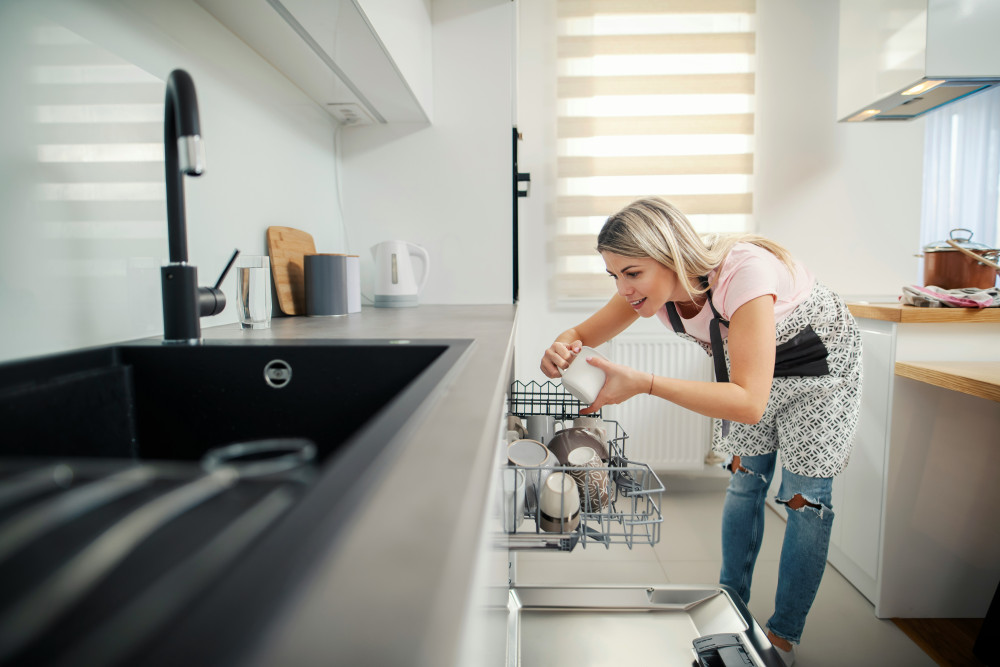
Many people think running the dishwasher less often saves energy, but letting it sit idle can actually cause problems. Food particles and moisture can create odors and clog filters.
- Run it when full, but not overloaded.
- Clean the filter regularly and run a cleaning cycle with dishwasher cleaner once a month.
- Use dishwasher salt and rinse aid if your water is hard — it prevents mineral buildup and keeps the machine efficient.
Regular use keeps pumps and valves moving freely and prevents them from sticking.
Oven and Stove – Avoid Overheating and Grease Buildup
Your oven and stove are among the most frequently used appliances, and they benefit from steady, moderate use. Overheating and grease buildup are the main causes of wear and tear.
- Cook at appropriate temperatures. Avoid running the oven at maximum heat for long periods.
- Clean after use. Grease and food residue can burn onto surfaces and damage heating elements.
- Keep vents and fans clear. Proper airflow ensures even heating and prevents overheating.
If your oven has a self-cleaning function, use it sparingly — it’s effective but puts stress on the appliance. Once or twice a year is usually enough.
Small Habits, Big Impact
Making your appliances last longer often comes down to small, consistent habits:
- Turn appliances off completely instead of leaving them on standby.
- Ensure good ventilation around machines.
- Read the user manual — many issues arise from incorrect use.
- Pay attention to unusual noises or vibrations — they can be early signs of wear.
By using your appliances regularly and giving them a little care, you can extend their lifespan by years — saving energy, money, and the environment in the process.
Læs også: