Pack Smart – Keep Moving Boxes from Tipping Over in Transit

Pack Smart – Keep Moving Boxes from Tipping Over in Transit
When moving day arrives, there’s plenty to think about – and one of the biggest challenges is getting all your belongings safely from one place to another. Smart packing isn’t just about fitting everything in; it’s about keeping boxes stable, easy to lift, and protected during the ride. With a bit of planning and a few simple techniques, you can make your move smoother and safer. Here’s how to pack smart and keep your boxes from tipping over in transit.
Choose the Right Moving Boxes
It’s tempting to grab free boxes from the grocery store, but those are often too weak for heavy items. Invest in sturdy, high-quality moving boxes – ideally with double walls and reinforced handles. They’ll protect your belongings better and can be reused for future moves.
- Standard boxes work well for kitchenware, books, and clothing.
- Small boxes are best for heavy items like books, dishes, or tools.
- Large boxes should be reserved for lightweight items such as bedding, pillows, and towels.
Always make sure the bottom of each box is securely taped. Use strong packing tape, and add an extra strip across the bottom seam for extra support.
Distribute Weight Evenly
Uneven weight distribution is one of the main reasons boxes tip or collapse. If one side is heavier than the other, the box becomes unstable – especially when stacked.
Place heavier items at the bottom and lighter ones on top. Fill empty spaces with soft materials like towels, clothing, or packing paper to prevent shifting. This not only stabilizes the box but also cushions your belongings.
Try to keep each box under about 40 pounds. That makes them easier to lift and reduces the risk of the bottom giving out.
Pack by Room – and Label Everything Clearly
Keep items from the same room together. It makes unpacking easier and helps you organize boxes logically in the moving truck. Label each box clearly with the room it belongs to and note if it contains fragile items.
Color-coding can save time: for example, use blue tape for the kitchen, green for the living room, and yellow for bedrooms. When you arrive, you’ll know exactly where each box goes.
Stack Boxes Safely
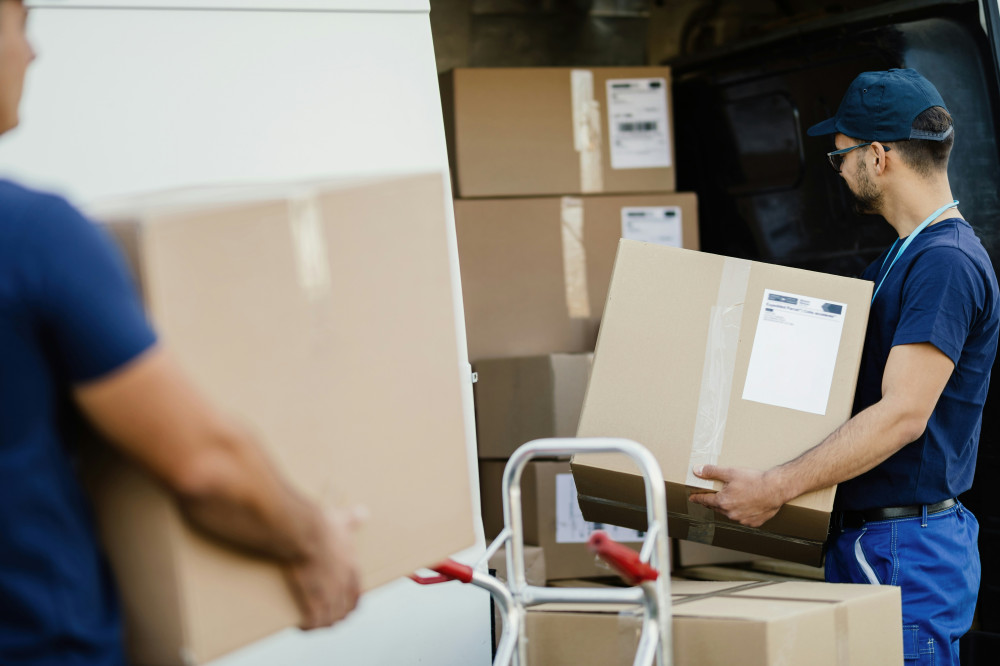
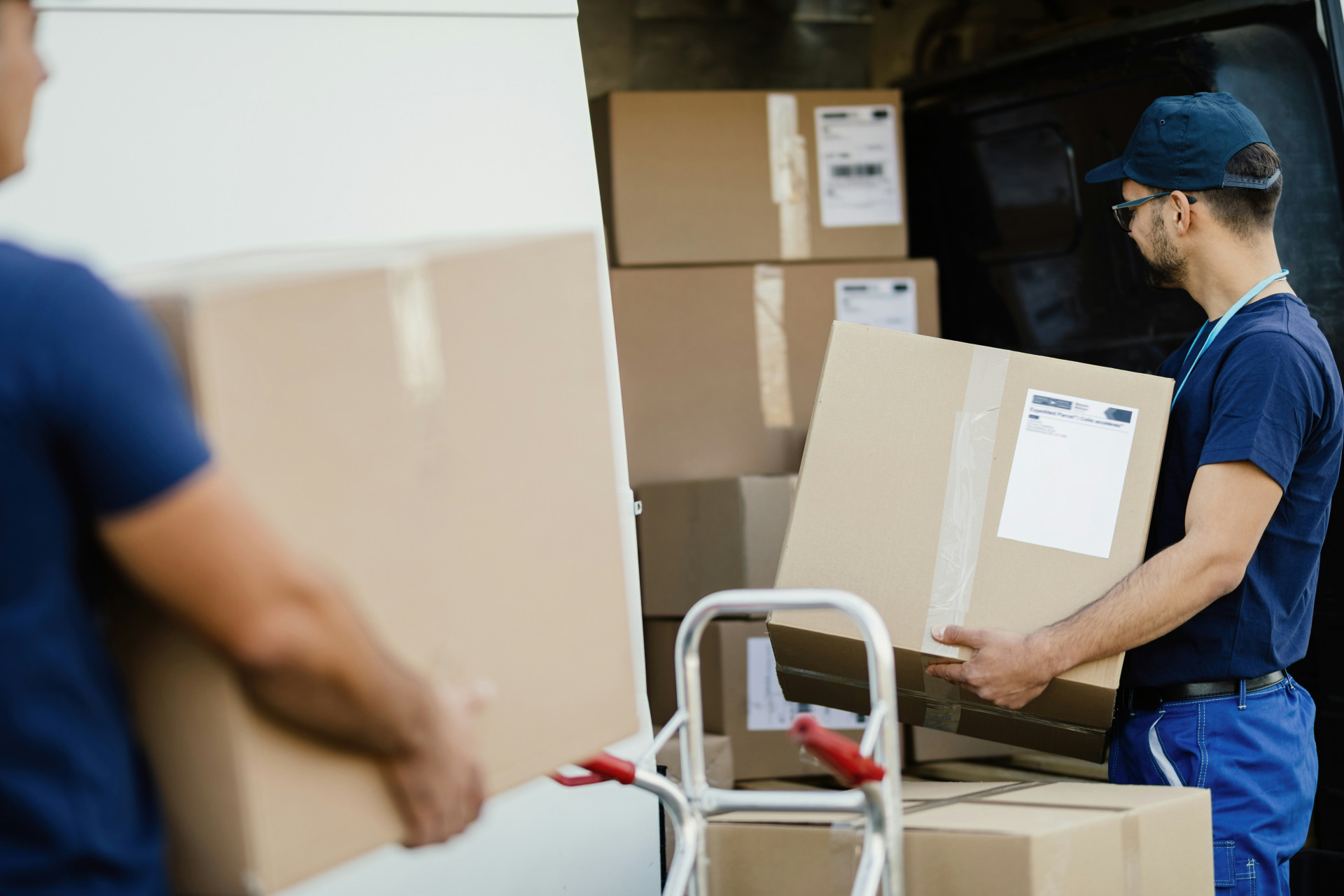
How you load the truck or trailer matters just as much as how you pack. Start with the heaviest, most stable boxes on the bottom. Stack lighter boxes on top, and make sure everything fits snugly so the boxes support each other. Avoid stacking too high – tall stacks are more likely to topple during transport.
Use furniture as stabilizers when possible. For instance, place boxes between a couch and the wall to keep them from sliding. Secure stacks with straps or ropes, especially if you’re driving a pickup or open trailer.
Protect Fragile Items
Glassware, dishes, and electronics need extra care. Wrap each item individually in bubble wrap, packing paper, or soft cloths. Line the bottom of the box with a cushioning layer, and fill any gaps so nothing can move around.
Mark these boxes clearly as “FRAGILE” and place them on top of heavier boxes. Even a light box can crush delicate items if it shifts during the drive.
Læs også:


Use Moving Tools – and Protect Your Back
Even well-packed boxes can be heavy. Use a dolly, lifting straps, or furniture sliders to move them safely. These tools protect both your body and your belongings.
Always lift with your legs, not your back, and get help for bulky or heavy items. It’s better to make an extra trip than to risk an injury.
Secure the Load During Transport
Once everything is loaded, make sure the boxes can’t move around. Fill gaps in the truck with blankets, pillows, or mattresses to keep stacks from shifting. If you’re driving a long distance, stop occasionally to check that everything is still secure.
When you arrive, carry each box directly to its designated room. It saves time and makes unpacking much easier.
A Smooth Move Starts with Smart Packing
Packing smart isn’t just about saving space – it’s about creating order and peace of mind on a hectic day. With sturdy boxes, balanced weight, and careful stacking, you can prevent tipping, protect your belongings, and make your move far less stressful. A well-organized move is simply a better move.
Læs også: