The Perfect Hobby Room: How to Combine Analog and Digital Interests

The Perfect Hobby Room: How to Combine Analog and Digital Interests
A hobby room is more than just a spare space—it’s a personal retreat where creativity, curiosity, and relaxation meet. In today’s world, where our interests often span both the physical and digital, designing a room that supports both can be a rewarding challenge. How do you create a space where paintbrushes and 3D printers, vinyl records and VR headsets can coexist? Here’s how to build a hobby room that blends the best of both worlds into one inspiring and functional environment.
Start by Defining Your Needs
Before you start rearranging furniture or shopping for gear, take a moment to think about what you actually want to do in your hobby room. Are you drawn to hands-on projects like painting, sewing, or woodworking? Or do your passions lean more toward digital pursuits like gaming, music production, or photography?
Make a list of your activities and note what each requires in terms of space, lighting, sound, and storage. This will help you design a room that supports your interests without becoming cluttered or chaotic.
Create Zones for Focus and Flow
A well-designed hobby room works best when it’s divided into zones. This makes it easier to switch between activities without having to clear everything away each time.
- The Analog Zone – A sturdy workbench or table with good lighting and plenty of room for tools and materials. This is your space for painting, crafting, or tinkering. Choose durable surfaces that can handle a bit of wear and tear.
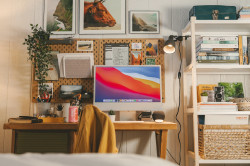
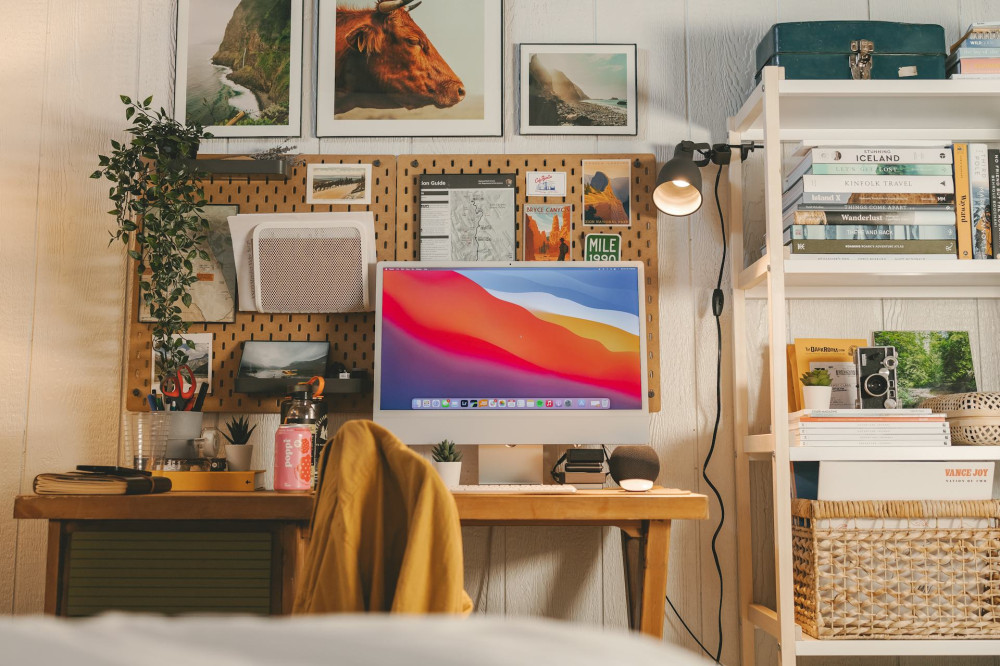
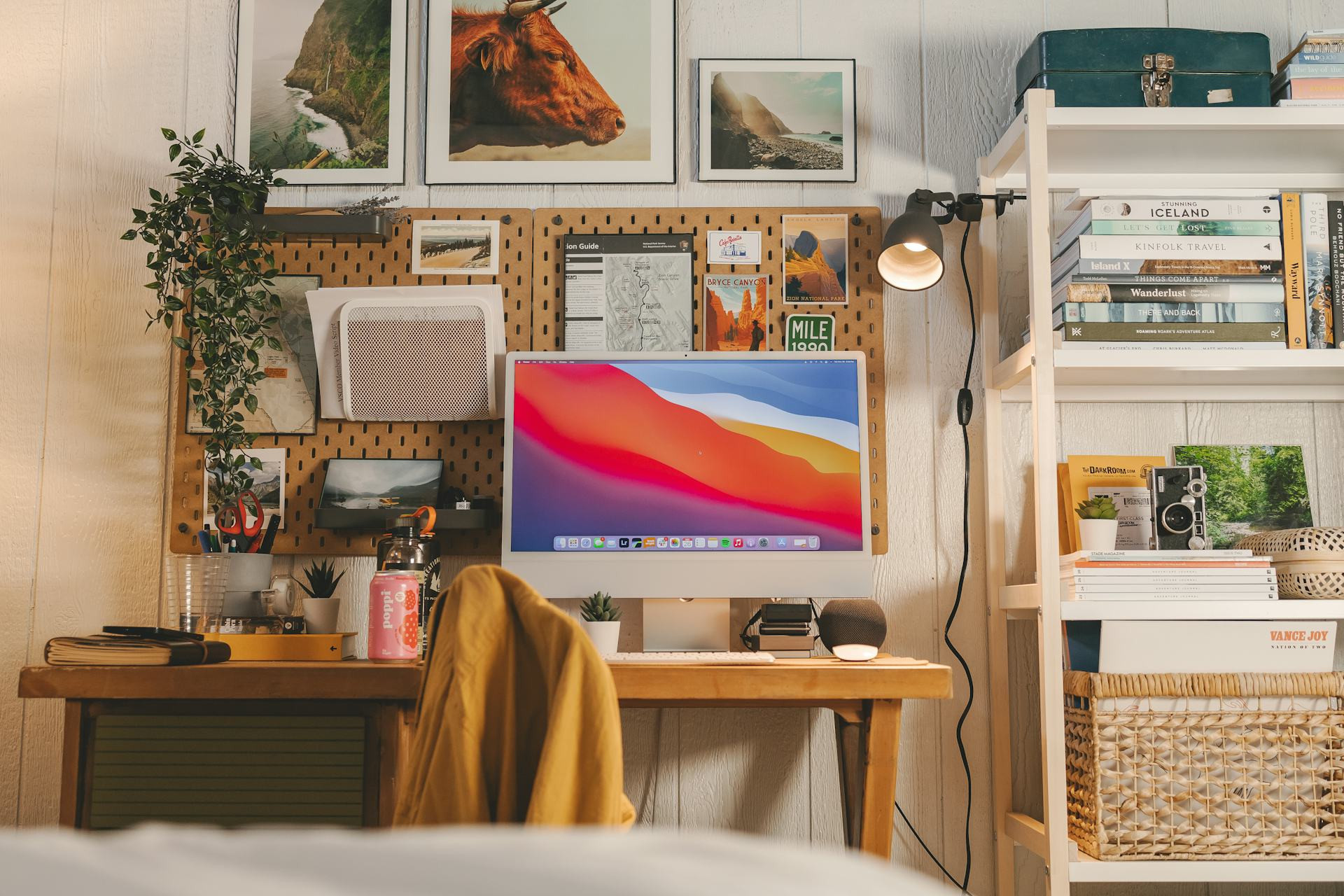
- The Digital Zone – A desk setup with your computer, monitor, and any audio or visual equipment you need. Keep cables organized and invest in an ergonomic chair so you can work comfortably for longer sessions.
- The Crossover Zone – A flexible area where analog and digital meet. This could be where you scan sketches, edit photos, or use digital tools for physical projects like laser cutting or 3D printing.
By clearly defining these zones, you’ll prevent paint from splattering onto your keyboard—or cables from tangling with fabric and paper.
Light, Sound, and Atmosphere
Lighting can make or break your creative flow. Combine natural daylight with adjustable lamps so you can tailor the brightness and tone to your activity. Cool, bright light is ideal for detailed work, while warmer light creates a cozy atmosphere for relaxation.
Sound matters too. If you’re into music or simply want a calm environment, consider adding acoustic panels or rugs to soften echoes. A small speaker system or quality headphones can help you enjoy your favorite playlists—whether you’re spinning vinyl or streaming online.
Smart Storage Solutions
A hobby room can quickly become messy if storage isn’t well planned. Transparent bins, pegboards, and labeled shelves make it easy to find what you need. Think about flexible systems that can evolve as your interests change.
Digital hobbies often come with cables, drives, and small components—drawer organizers and cable clips can keep them tidy. For analog materials like paints, fabrics, or paper, closed cabinets protect them from dust and sunlight.
Læs også:




Technology as a Creative Partner
Instead of viewing technology as a distraction, see it as a tool that enhances your creativity. A drawing tablet can help you digitize sketches, while a 3D printer can turn your designs into tangible models.
There are also countless apps and software programs that can assist with planning, color matching, or design visualization. When used thoughtfully, technology becomes a natural extension of your creative process.
Design a Space That Inspires
A hobby room should be practical, but it should also make you want to spend time there. Decorate with artwork, posters, or your own creations. Choose colors that energize or calm you, depending on your style. Add plants for a touch of life, and consider a comfortable chair or reading nook for moments of reflection.
Flexibility is key—folding tables, rolling carts, or modular shelving can help you adapt the space as your projects evolve.
A Room for Both Calm and Curiosity
The perfect hobby room isn’t about having the latest gadgets or the most elaborate setup. It’s about creating a space where you can focus, experiment, and recharge—whether you’re working with your hands or on a screen. When you strike the right balance between analog and digital, you’ll have a room that fuels both creativity and peace of mind.
Læs også: