Efficient Ventilation with Energy Management – How to Do It


Efficient Ventilation with Energy Management – How to Do It
A healthy indoor climate and low energy bills don’t have to be opposites. With the right ventilation system and smart energy management, you can enjoy fresh air in your home while keeping heating and cooling costs under control. This article offers a practical guide to optimizing your ventilation so it works efficiently—and only uses the energy that’s truly needed.
Why Ventilation Matters
Ventilation isn’t just about comfort—it’s essential for health and building durability. Without proper air exchange, moisture, carbon dioxide, and pollutants can build up, leading to mold growth, headaches, and fatigue. On the other hand, too much ventilation can waste energy by letting conditioned air escape. The key is balance—and that’s where energy management comes in.
Choosing the Right Ventilation System
There are several types of ventilation systems, and the best choice depends on your home’s size, age, and insulation level.
- Natural ventilation – relies on windows and vents. It’s inexpensive but difficult to control efficiently.
- Exhaust-only systems – remove stale air from kitchens and bathrooms but don’t automatically bring in fresh air.
- Balanced ventilation with heat recovery (HRV/ERV) – the most energy-efficient option, supplying fresh air and removing stale air through a system that recovers heat (or cooling) from the outgoing air.
A well-designed HRV or ERV system can recover up to 85–90% of the energy from exhaust air, making it a smart investment for both comfort and savings.
Integrating Energy Management
Energy management means adjusting ventilation to match your actual needs—not running it at full speed all the time. Modern systems can include sensors that measure humidity, CO₂, and temperature, automatically adjusting airflow as conditions change.
You can also connect your ventilation to a smart home system, allowing it to work in sync with heating, cooling, and lighting. This creates a holistic energy setup where all components cooperate to minimize consumption and maintain comfort.
How to Optimize Operation
Even the best ventilation system needs proper setup and maintenance to perform efficiently. Here are a few key steps:
- Adjust the system to your home and lifestyle. Too much airflow wastes energy; too little leads to poor air quality.
- Clean or replace filters regularly. Clogged filters increase energy use and reduce air quality.
- Inspect the heat exchanger. A dirty heat exchanger can significantly reduce efficiency.
- Use scheduling or occupancy control. Lower ventilation when the house is empty and increase it when people are home.
- Monitor energy use. Many systems include apps or displays that let you track performance and make adjustments.
Combine Ventilation with Other Energy Measures
Ventilation is just one part of your home’s overall energy system. You can achieve even greater savings by combining it with:
- Proper insulation and high-performance windows to prevent heat loss.
- Efficient heating and cooling systems, such as heat pumps.
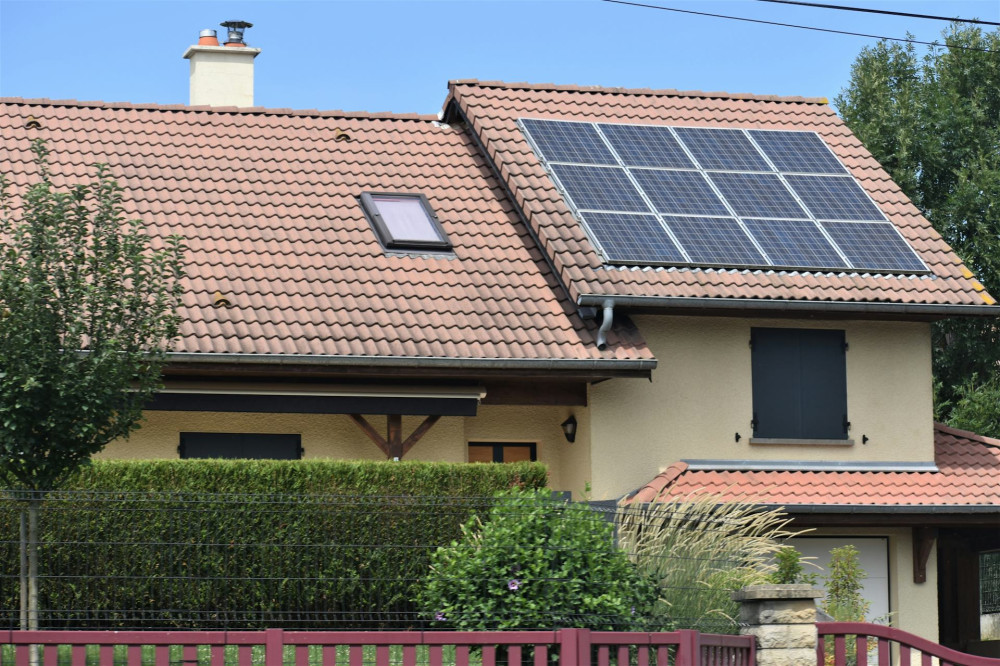
- Solar panels, which can power your ventilation system.
- Automated shading and lighting controls, which reduce the need for heating and cooling.
When these systems work together, you get a home that’s comfortable, efficient, and environmentally friendly.
When to Upgrade
If your ventilation system is more than 10–15 years old, it may be time to consider an upgrade. Newer models are far more energy-efficient and can often pay for themselves within a few years through lower operating costs. Have an energy professional evaluate whether your current system can be optimized or if replacement is the better option.
Læs også:



A Healthy Home with Lower Energy Use
Efficient ventilation with energy management is all about balance—between fresh air, comfort, and energy savings. With today’s technology, you can maintain a healthy indoor environment year-round without overspending on energy. It’s good for your well-being, your wallet, and the planet.
Læs også: