Insulation in Winter – How to Keep Your Home Warm

Insulation in Winter – How to Keep Your Home Warm
When winter temperatures drop and heating bills rise, good insulation becomes essential for both comfort and energy savings. A well-insulated home keeps the heat inside, reduces drafts, and lowers the need for constant heating. But where should you start, and what improvements make the biggest difference? Here’s a practical guide to keeping your home warm through the winter—from simple fixes to larger upgrades.
Identify Where Heat Escapes
Before adding insulation, it’s important to find out where your home is losing heat. Common problem areas include:
- Attic and roof – Heat rises, and an under-insulated attic can account for up to 25–30% of total heat loss.
- Exterior walls – Older homes, especially those built before modern energy codes, may have little or no wall insulation.
- Windows and doors – Gaps, cracks, and worn weatherstripping can let in cold air and let warm air escape.
- Floors over crawl spaces or basements – Cold air can seep up from below if these areas aren’t properly insulated.
You can check for drafts by feeling around windows and doors on a windy day or by using an infrared thermometer. For a more detailed assessment, consider a home energy audit or thermal imaging inspection—many utility companies offer these services at low or no cost.
Start with the Attic
If you can only insulate one area, make it the attic. It’s usually the most cost-effective improvement. The U.S. Department of Energy recommends attic insulation levels between R-38 and R-60, depending on your climate zone. Common materials include fiberglass batts, blown-in cellulose, or spray foam.
When insulating, make sure the attic is properly ventilated to prevent moisture buildup, and seal any air leaks around light fixtures, vents, and the attic hatch. Even small gaps can let a surprising amount of warm air escape.
Læs også:

Walls and Siding
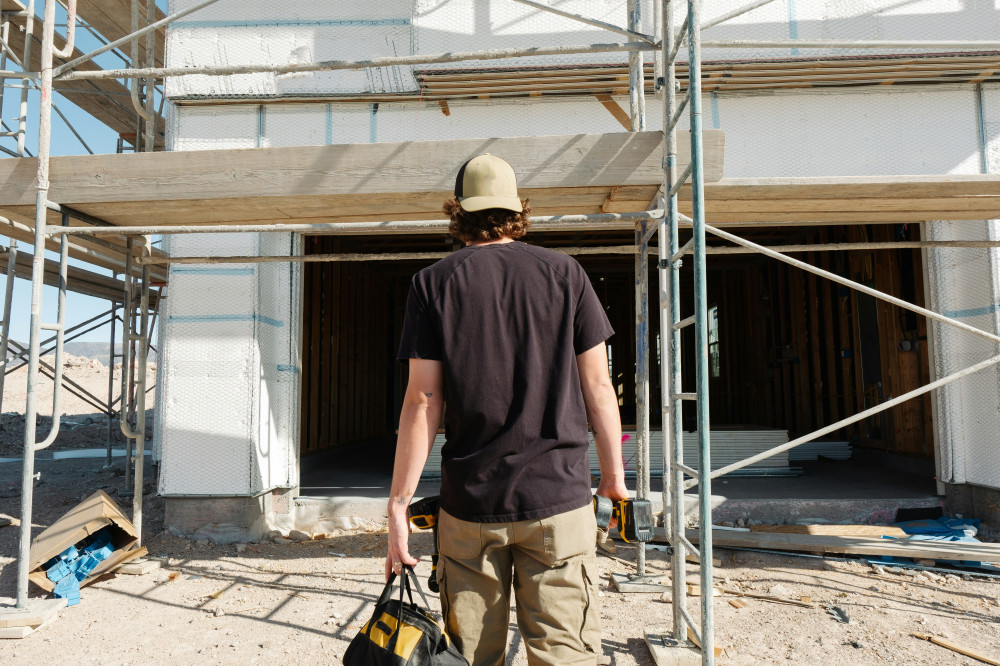
For homes with uninsulated walls, adding insulation can make a big difference. In many cases, blown-in insulation can be added through small holes in the siding or interior walls. If you’re planning exterior renovations, consider adding rigid foam board insulation under new siding. This not only improves energy efficiency but can also help reduce noise and moisture problems.
Interior wall insulation is another option, though it’s more disruptive and can slightly reduce room size. Always include a proper vapor barrier to prevent condensation inside the walls.
Windows and Doors – Small Fixes, Big Impact
Even high-quality windows lose heat if they’re not sealed properly. Check weatherstripping and replace it if it’s cracked or worn. If your home still has single-pane windows, upgrading to double- or triple-pane ENERGY STAR® windows can significantly reduce heat loss and improve comfort.
For a lower-cost solution, try window insulation film, thermal curtains, or interior storm windows. These can all help reduce drafts and keep rooms warmer without major renovations.
Floors, Basements, and Crawl Spaces
Cold floors are a common complaint in winter. If you’re remodeling, add insulation under new flooring. In basements, insulating the rim joist (where the foundation meets the floor framing) can make a big difference. For crawl spaces, consider rigid foam insulation on the walls and a vapor barrier on the ground to keep moisture and cold air out.
Think Holistically – and Manage Moisture
Adding insulation changes how your home handles heat and moisture. Always think about the whole system. Seal air leaks before insulating, and ensure proper ventilation to avoid trapping moisture inside walls or attics. A heat recovery ventilator (HRV) or energy recovery ventilator (ERV) can help maintain fresh air while conserving heat.
Simple Habits That Help
Even without major upgrades, small actions can make your home feel warmer and more efficient:
- Close curtains or blinds at night to keep heat in.
- Use draft stoppers at the base of doors.
- Lay rugs on cold floors.
- Keep interior doors closed between heated and unheated areas.
- Make sure heating vents and radiators aren’t blocked by furniture or drapes.
These small steps can add up to noticeable savings and comfort.
A Smart Investment
Insulation isn’t just an expense—it’s an investment in comfort, efficiency, and sustainability. A well-insulated home uses less energy, maintains a steady temperature, and feels cozier all winter long. With rising energy costs and growing environmental awareness, improving your home’s insulation is one of the smartest upgrades you can make—one that pays off in lower bills, higher home value, and a warmer, more comfortable living space.
Læs også: