Help Your Pet Feel Safe Around Loud Noises or Guests


Help Your Pet Feel Safe Around Loud Noises or Guests
Many pets become anxious when they hear loud noises like fireworks, thunderstorms, or when unfamiliar guests visit the home. You might notice trembling, hiding, barking, meowing, or attempts to escape. It can be distressing to see your pet frightened, but there’s a lot you can do to help. Here are some practical ways to create a sense of safety and reduce stress for your pet when the world feels overwhelming.
Understand Your Pet’s Signals
The first step is learning to recognize how your pet shows fear or discomfort. Different animals express stress in different ways:
- Dogs may whine, shake, hide, bark excessively, or try to run away. Some may chew or scratch in panic.
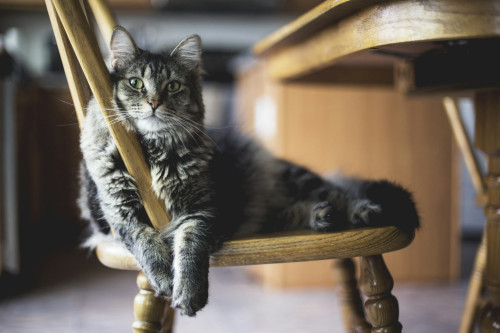
- Cats often become quiet, hide under furniture, or groom themselves excessively. They may also avoid contact or refuse food.
- Small pets like rabbits or guinea pigs might freeze, hide in their shelters, or stop eating.
By understanding your pet’s reactions, you can step in early to provide comfort before fear escalates.
Create a Safe Space
A designated safe space gives your pet a place to retreat when things get too noisy or busy. This could be a quiet room, a crate, or a cozy corner with blankets and favorite toys.
- Make sure the area is shielded from noise and light—close curtains and play soft background sounds like gentle music or white noise.
- Give your pet free access to this space and let them decide when to use it.
- Stay calm and nearby, but avoid over-comforting. Too much attention can sometimes reinforce fear. Instead, be a steady, reassuring presence.
Læs også:


Gradually Train for Noises and Visitors
If your pet often gets nervous, gradual desensitization can help. It takes patience, but it can make a big difference.
- Noises: Play recordings of thunder or fireworks at a very low volume while offering treats or playtime. Gradually increase the volume over several weeks so your pet learns that these sounds aren’t dangerous.
- Guests: Start with short visits from calm friends who ignore your pet until it approaches them. Reward relaxed behavior with treats. Over time, increase the number of guests and the length of visits.
The goal is to replace fear with positive, predictable experiences.
Prepare for Special Situations
Certain events—like the Fourth of July, New Year’s Eve, or large family gatherings—require extra preparation.
- Fireworks: Close windows and doors, draw curtains, and play calming music or TV sounds to mask the noise. Walk your dog early in the evening before fireworks begin.
- Guests: Make sure your pet has a quiet place to retreat. Let visitors know to give your pet space if it seems nervous.
- Thunderstorms: Some pets react to changes in air pressure before the storm starts. Offer them a windowless room or a covered crate, and stay calm yourself—pets pick up on your emotions quickly.
Consider Calming Aids and Professional Help
Several tools can help your pet feel more secure during stressful times:
- Pheromone sprays or diffusers can have a soothing effect, especially for cats and dogs.
- Snug-fitting anxiety wraps or vests can provide comfort for some dogs.
- Natural calming supplements may help, but always consult your veterinarian before use.
If your pet’s anxiety is severe or getting worse, seek help from a veterinarian or a certified animal behaviorist. They can create a personalized plan and determine whether medication or specialized training is needed.
Calm Starts With You
Pets often mirror their owner’s emotions. If you stay calm, speak softly, and move gently, your pet will feel more secure. Remember, fear doesn’t disappear overnight—but with patience, understanding, and consistent training, you can make a lasting difference.
Helping your pet feel safe isn’t just about removing what scares them—it’s about teaching them to trust their environment and you. When your home feels like a safe haven, your pet learns that even in the face of loud noises or unfamiliar guests, it can relax and feel protected.
Læs også: