Understanding Your Dog’s Signals: Happiness, Nervousness, and Insecurity

Understanding Your Dog’s Signals: Happiness, Nervousness, and Insecurity
Dogs communicate far more through body language than through barking or whining. For us humans, it can sometimes be tricky to interpret what they’re really trying to say. A wagging tail doesn’t always mean joy, and a bark can express both excitement and unease. Learning to read your dog’s signals is key to building a trusting and secure relationship. Here’s a guide to recognizing signs of happiness, nervousness, and insecurity in your dog—and how to respond in ways that strengthen your bond.
When Your Dog Is Happy and Relaxed
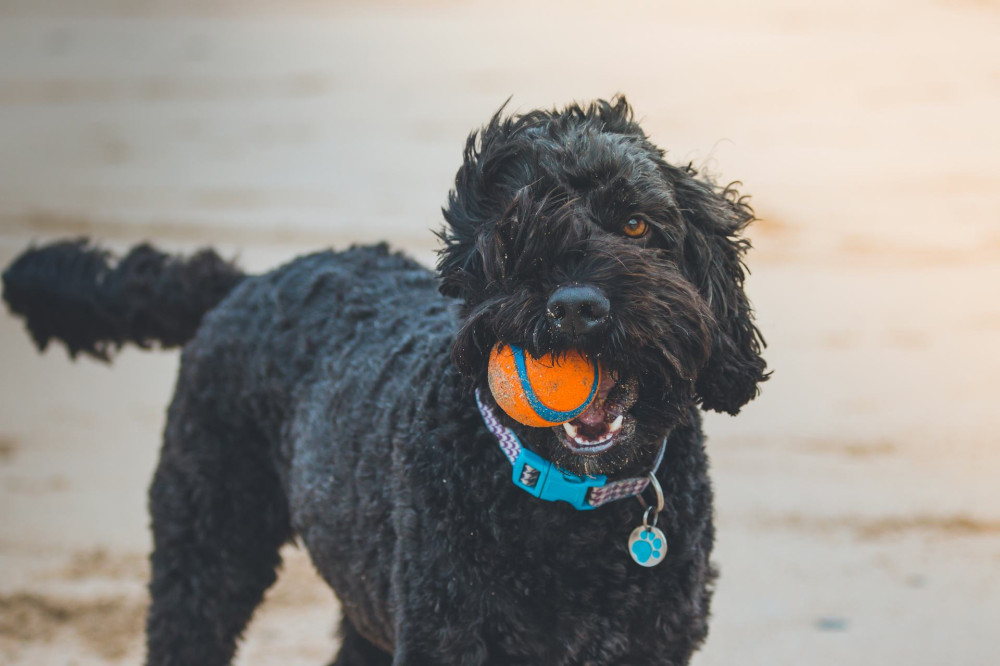
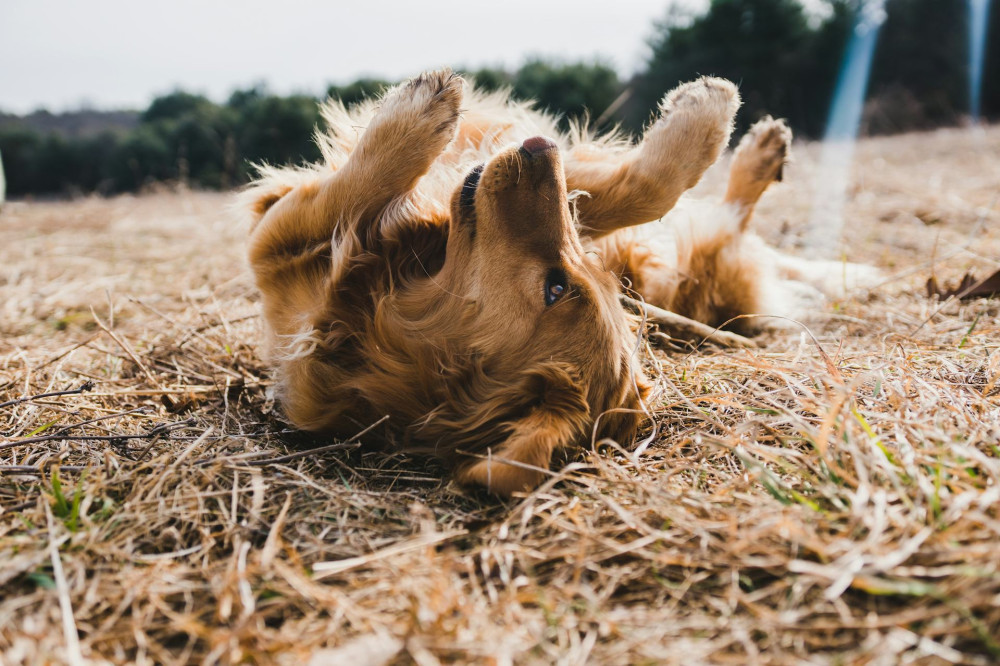
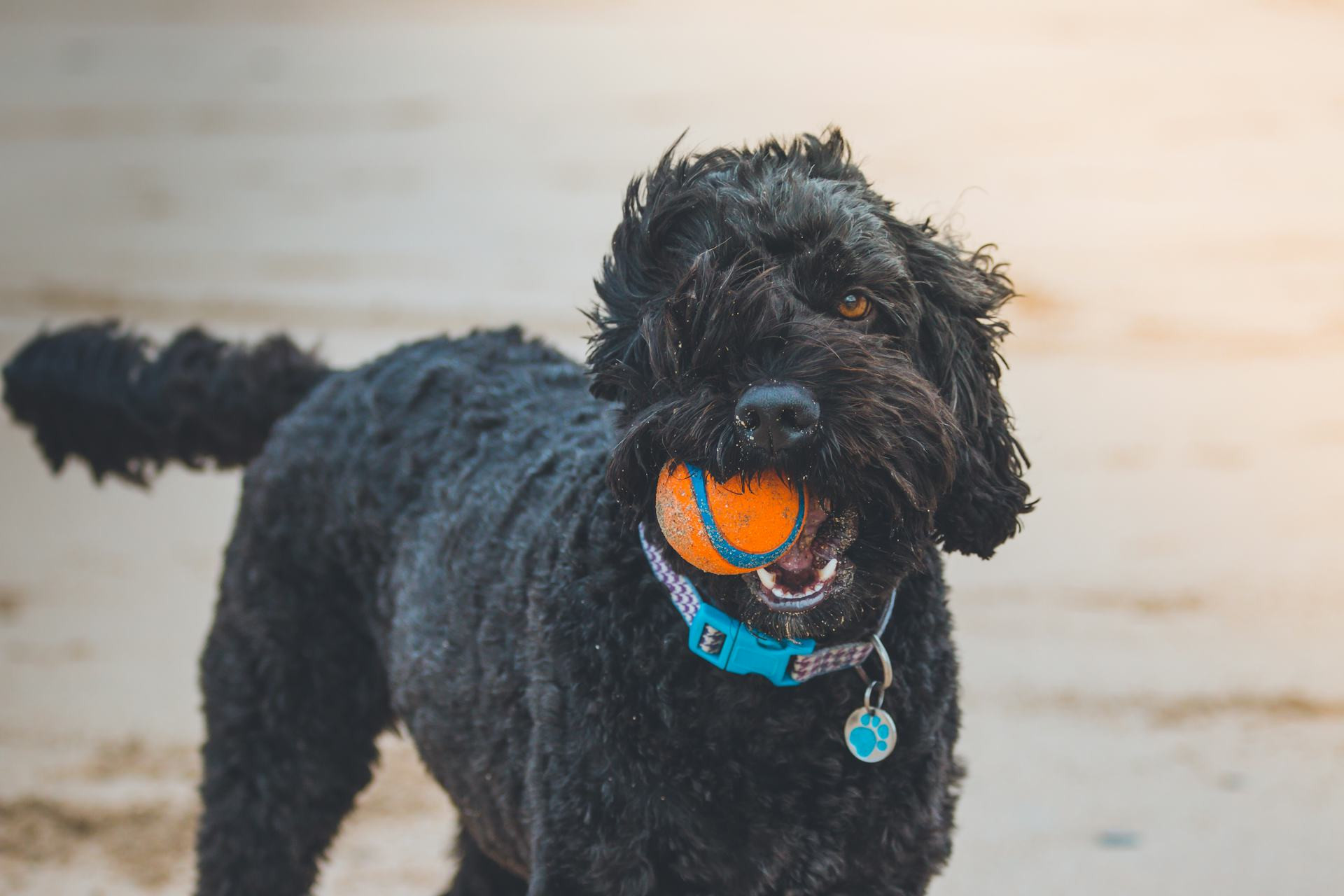
A happy dog is easy to spot once you know what to look for. The body is loose and wiggly, the tail moves in smooth, sweeping motions, and the eyes appear soft and calm. The ears are in a neutral position, and the dog often seeks contact—by coming close, leaning against you, or inviting you to play.
Other signs of happiness include:
- An open mouth with a relaxed tongue.
- A “play bow,” where the front legs are lowered and the rear end is raised.
- Small jumps or circles of excitement when you come home.
When you see these signals, it’s safe to mirror your dog’s energy with praise, play, or gentle affection. This reinforces your connection and reassures your dog that it’s safe and loved in your presence.
Nervousness – When Your Dog Feels Uneasy
Dogs can become nervous in many situations: loud noises like fireworks or thunderstorms, meeting unfamiliar people or animals, or changes in their environment. The signs can be subtle, but they’re important to notice.
Common signs of nervousness include:
- The tail lowered or tucked between the legs.
- Ears pulled back.
- Lip licking or yawning when not tired.
- Avoiding eye contact or turning the head away.
- Moving slowly or freezing in place.
If you notice these signals, don’t force your dog to confront what’s making it uncomfortable. Give it space, speak softly, and avoid sudden movements. You can help by creating distance from the trigger and gradually reintroducing it at a pace your dog can handle. Patience and calm reassurance go a long way.
Insecurity and Fear – When Your Dog Feels Threatened
Insecurity is a stronger emotional response than nervousness and can lead a dog to try to escape, hide, or, in some cases, growl or snap. This isn’t “bad behavior”—it’s fear.
Signs of insecurity or fear may include:
- A stiff body and fixed stare.
- Growling, barking, or showing teeth.
- The tail held low or tightly tucked.
- Raised hackles along the back.
- Retreating or seeking a hiding spot.
In these moments, it’s crucial to stay calm. Don’t scold or force your dog closer to what it fears. Instead, create distance and allow it to settle. If fear-based reactions happen often, consider consulting a certified dog trainer or behaviorist who uses positive reinforcement methods. Professional guidance can help your dog build confidence and feel safer in challenging situations.
Learn to Read the Whole Picture
A single signal rarely tells the full story. A wagging tail, for example, can mean happiness—or tension—depending on the rest of the body language. Always look at the full picture: posture, eyes, ears, movement, and the context of the situation.
The more time you spend observing your dog, the better you’ll understand its unique “language.” Every dog has its own way of expressing emotions, and learning to read those nuances takes time and attention.
Læs også:



Building Trust Through Understanding
Understanding your dog’s signals isn’t just about observation—it’s about responding in ways that build trust. When your dog learns that you respect its boundaries and react calmly, it begins to see you as a safe and reliable partner. That sense of security makes your dog more confident, cooperative, and happy.
Trust grows through consistency, kindness, and patience. Use positive reinforcement, gentle guidance, and plenty of praise. A dog that feels understood is not only easier to train—it’s also a more joyful and balanced companion.
Læs også: