Document Your Home Improvement Projects Properly – Avoid Mistakes and Misunderstandings

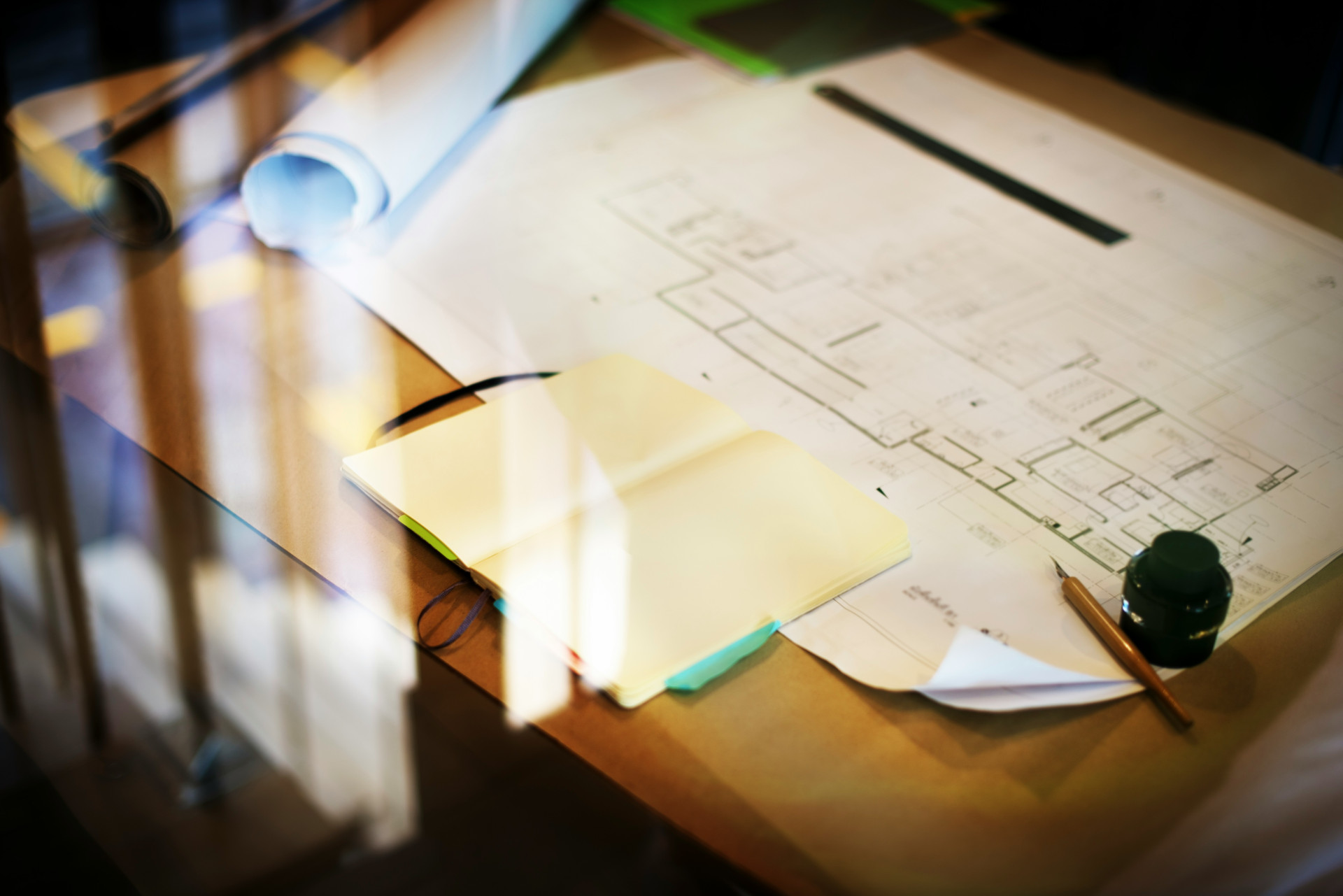
Document Your Home Improvement Projects Properly – Avoid Mistakes and Misunderstandings
When you start a home improvement project—big or small—it’s easy to focus on materials, contractors, and timelines. But one of the most important parts of the process happens on paper. Proper documentation can save you from financial losses, delays, and disputes with contractors or local authorities. Here’s a guide to documenting your home improvement projects the right way—and why it matters so much.
Why Documentation Matters
Documentation isn’t just paperwork. It’s your protection if questions arise later about what was agreed upon, completed, or approved. Without proper records, it can be difficult to prove who’s responsible for mistakes or whether the work meets building codes and safety standards.
Good documentation can:
- Prevent misunderstandings between you and your contractors.
- Protect you legally if disputes occur.
- Increase your home’s resale value, since buyers appreciate proof that work was done correctly.
- Support insurance claims, if you ever need to show evidence of completed work.
In short: documentation is your best ally for keeping your home projects organized and trouble-free—both now and in the future.
Start with a Clear Plan and Written Agreements
Before any work begins, make sure every agreement is in writing. This includes estimates, schedules, material choices, and payment terms. A verbal agreement can be hard to prove if disagreements arise later.
Create a written contract with your contractor that clearly states:
- The scope of work.
- The materials to be used.
- The project timeline and completion date.
- The total cost and what it covers.
- How changes or additional work will be handled.
Keep all communication—emails, text messages, and notes—in one place. It might seem unnecessary at the time, but it can be invaluable if you ever need to clarify what was agreed upon.
Læs også:

Take Photos Throughout the Process
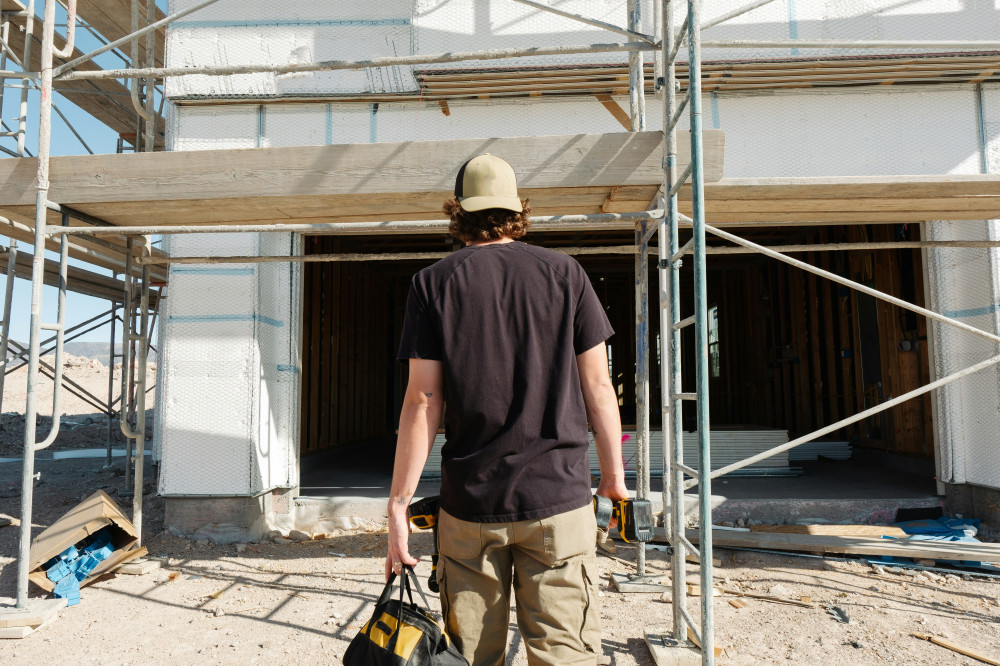
Photos are one of the simplest and most effective ways to document your project. Take pictures before, during, and after the work—especially of hidden elements like wiring, plumbing, and insulation. These images can be crucial if you need to prove that work was done properly or if you need to locate pipes or wires during future renovations.
Store your photos digitally with dates and short descriptions. Consider creating a dedicated folder for each project so you can easily find everything later.
Keep Invoices, Warranties, and Permits
When the work is done, gather all your documentation in one place. This includes:
- Invoices and receipts.
- Warranties and service agreements.
- Building permits and inspection approvals.
- Certificates for licensed work (such as electrical or plumbing).
These documents aren’t just for your records—they’re also valuable if you decide to sell your home. Buyers often ask for proof that renovations were done properly, especially for major upgrades.
Use Digital Tools to Stay Organized
Today, there are many digital tools that can help you manage your documentation. Cloud storage services like Google Drive, Dropbox, or OneDrive make it easy to store and access files from anywhere. There are also home management apps that let you upload photos, receipts, and permits, and even share them with contractors.
The advantage of digital storage is that your records are safe, searchable, and accessible years later—long after paper copies might have been lost or damaged.
Be Aware of Local Building Codes and Permit Requirements
Certain types of work require specific documentation to be legal. This can include:
- Electrical and plumbing work, which must be done by licensed professionals.
- Structural changes that require building permits.
- Energy-efficient upgrades that may qualify for tax credits or rebates if properly documented.
Always check your city or county’s building department requirements before starting a project. Missing documentation can lead to fines, failed inspections, or even problems when selling your home.
Do a Final Walkthrough When the Project Is Complete
When the contractors finish, walk through the project with them. Note any issues or unfinished details, and make sure they’re corrected before you make the final payment. Take photos of the completed work and write a short summary of what was done.
Finally, organize everything in a digital folder—something like “Kitchen Remodel 2024”—with subfolders for photos, invoices, permits, and warranties. This makes it easy to find what you need later.
Documentation Brings Peace of Mind
Documenting your home improvement projects might feel like extra work, but it’s an investment in peace of mind. You’ll have a clear record of what was done, avoid misunderstandings, and be better protected if something goes wrong. Plus, you’ll add value to your home by showing that every improvement was done professionally and by the book.
So next time you start a project—whether it’s a new roof, a bathroom remodel, or a backyard deck—remember: what you write down and save can be just as important as what you build.
Læs også: