Grant Application? How to Gather All the Required Documentation


Grant Application? How to Gather All the Required Documentation
Applying for a grant—whether for home improvements, community projects, or business development—takes more than a great idea. Federal agencies, state programs, and private foundations all require documentation that proves your project is feasible, financially sound, and compliant with their guidelines. Many applications are rejected not because the project lacks merit, but because the documentation is incomplete. Here’s a step-by-step guide to help you gather everything you need so your grant application stands out from the start.
Start by Understanding the Requirements
Before you begin collecting paperwork, carefully read the application instructions. Every grant program has its own documentation requirements and preferred formats.
Some programs emphasize technical data, while others focus on financial details or community impact. Make sure you know:
- Which documents are mandatory?
- Do any need to be signed or certified by a professional?
- Are there specific templates or file formats required?
Clarifying these details early will save you time and prevent you from submitting materials that don’t meet the program’s standards.
Gather the Basic Information
Most grant applications require a set of standard documents that form the foundation of your submission. Be sure to have the following ready:
- Applicant information – name, address, and contact details for the individual or organization applying.
- Project description – a concise explanation of what you plan to do and why it matters.
- Timeline – when the project will start and finish, including key milestones.
- Budget – a realistic estimate of costs and any other funding sources.
- Quotes or invoices – documentation of expected expenses from contractors, suppliers, or vendors.
These materials show reviewers that you’ve planned your project carefully and understand its practical and financial aspects.
Document the Technical Details
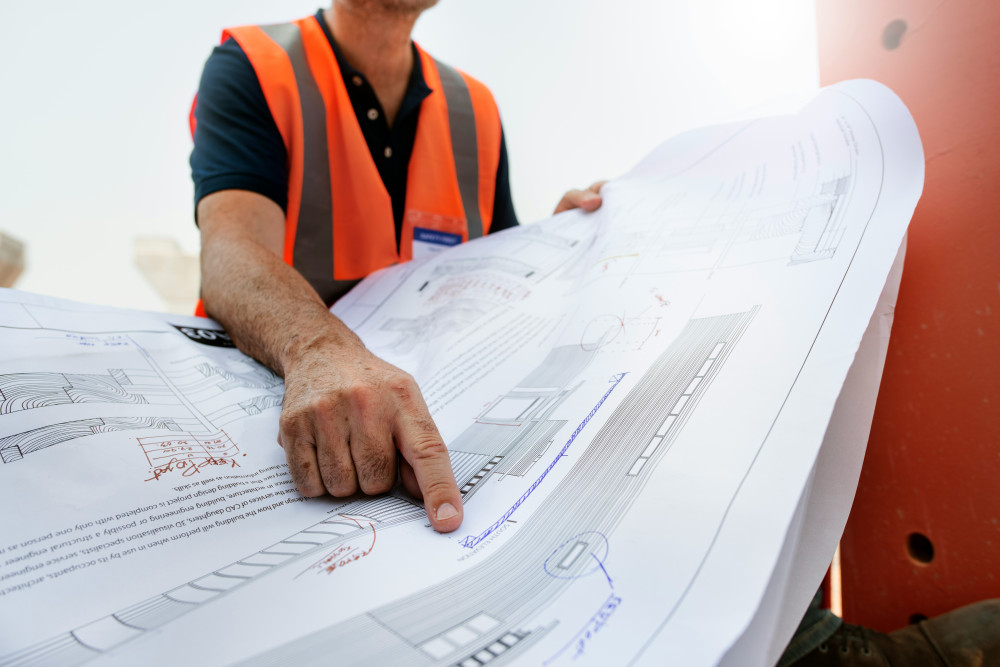
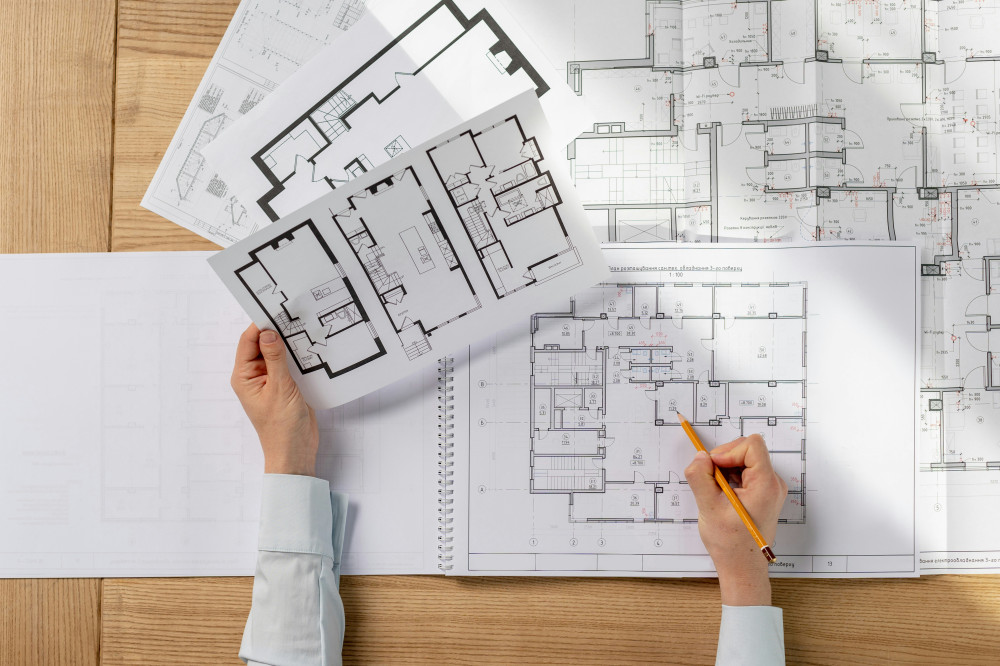
If your project involves construction, energy efficiency upgrades, or specialized equipment, you’ll likely need to provide technical documentation. This may include:
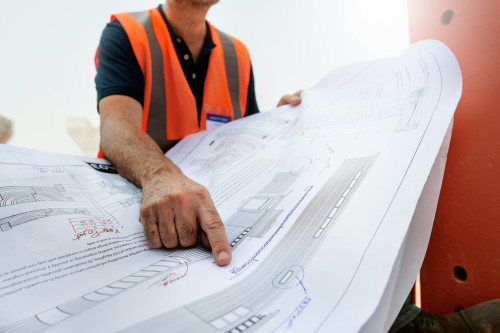
- Engineering or architectural drawings.
- Photos or descriptions of current conditions.
- Product specifications or data sheets for new materials or systems.
- Calculations or assessments from licensed professionals.
The more clearly you can demonstrate how your project will achieve its goals—whether improving energy performance, accessibility, or safety—the easier it will be for reviewers to evaluate your proposal.
Include Financial Documentation
Financial documentation often determines whether your application is approved. Reviewers need to see that your budget is realistic and that you’re requesting an appropriate level of funding.
Include:
- Detailed cost estimates from multiple vendors, if possible, to show that prices are competitive.
- Proof of payment for any expenses already incurred, such as receipts or invoices.
- Funding plan outlining how you’ll cover costs not paid by the grant, including loans, donations, or personal contributions.
Keep all financial records organized and labeled clearly. Submitting well-documented financials builds confidence in your project’s credibility.
Obtain the Necessary Approvals and Certifications
Many grant programs require supporting statements or permits from professionals or authorities. Depending on your project, you may need:
- Contractor or installer certifications for technical or energy-related work.
- Building permits if your project involves structural changes.
- Property owner authorization if you’re applying on behalf of a landlord, homeowners’ association, or nonprofit.
- Letters of support from community partners or local officials.
Ensure all documents are signed, dated, and consistent with the information in your application.
Organize Your Documentation Systematically
Once you’ve gathered all your materials, structure them in a clear, logical way. A well-organized application makes a strong impression and reduces the chance of errors.
- Create folders for categories such as Technical Documentation, Financials, Permits, and Photos.
- Number your attachments and include a brief index describing each file.
- Use PDF format whenever possible—it’s stable, easy to open, and widely accepted.
A tidy, professional submission helps reviewers find what they need quickly and shows that you take the process seriously.
Double-Check Before Submitting
Before you hit “submit,” review your entire application carefully. Use a checklist:
- Are all required fields completed?
- Are all attachments included and legible?
- Do the details in your documents match the information in your application?
- Have all necessary signatures been provided?
A final review can prevent delays or rejections caused by small oversights.
Læs også:


Make Future Applications Easier
Once you’ve assembled your documentation, save it as a template for future use. Many details—such as organizational information, permits, or certifications—change little over time. Keeping an updated archive will make it faster and easier to apply for new grants down the road.
By preparing your documentation thoroughly and staying organized, you’ll not only streamline the process but also increase your chances of success—because a well-documented application is a strong application.
Læs også: