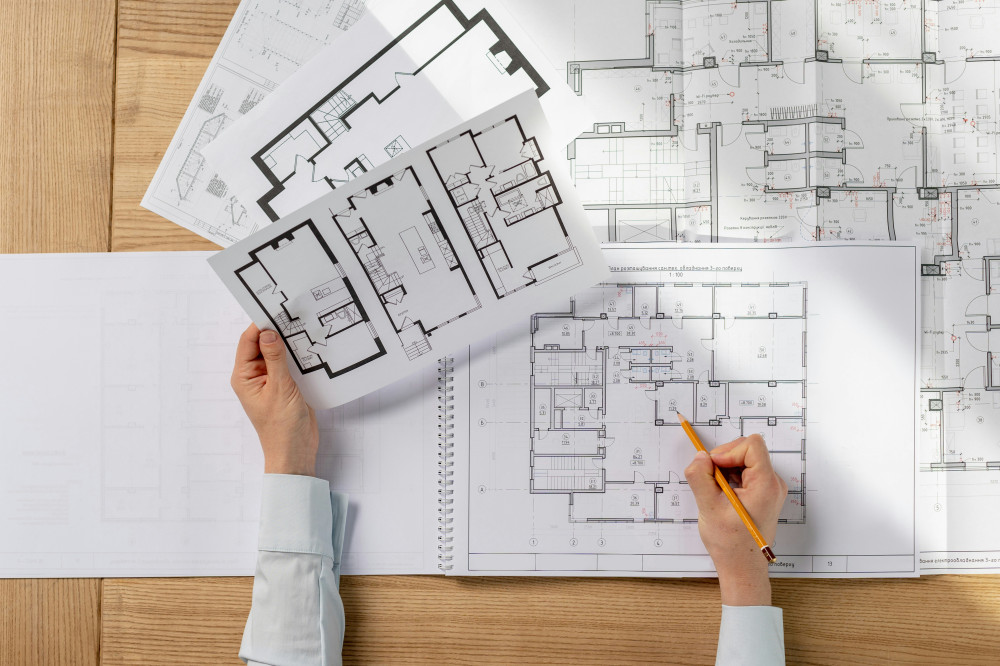
Keep Track of Ideas and Decisions: Plan Your Home with Clarity and Structure

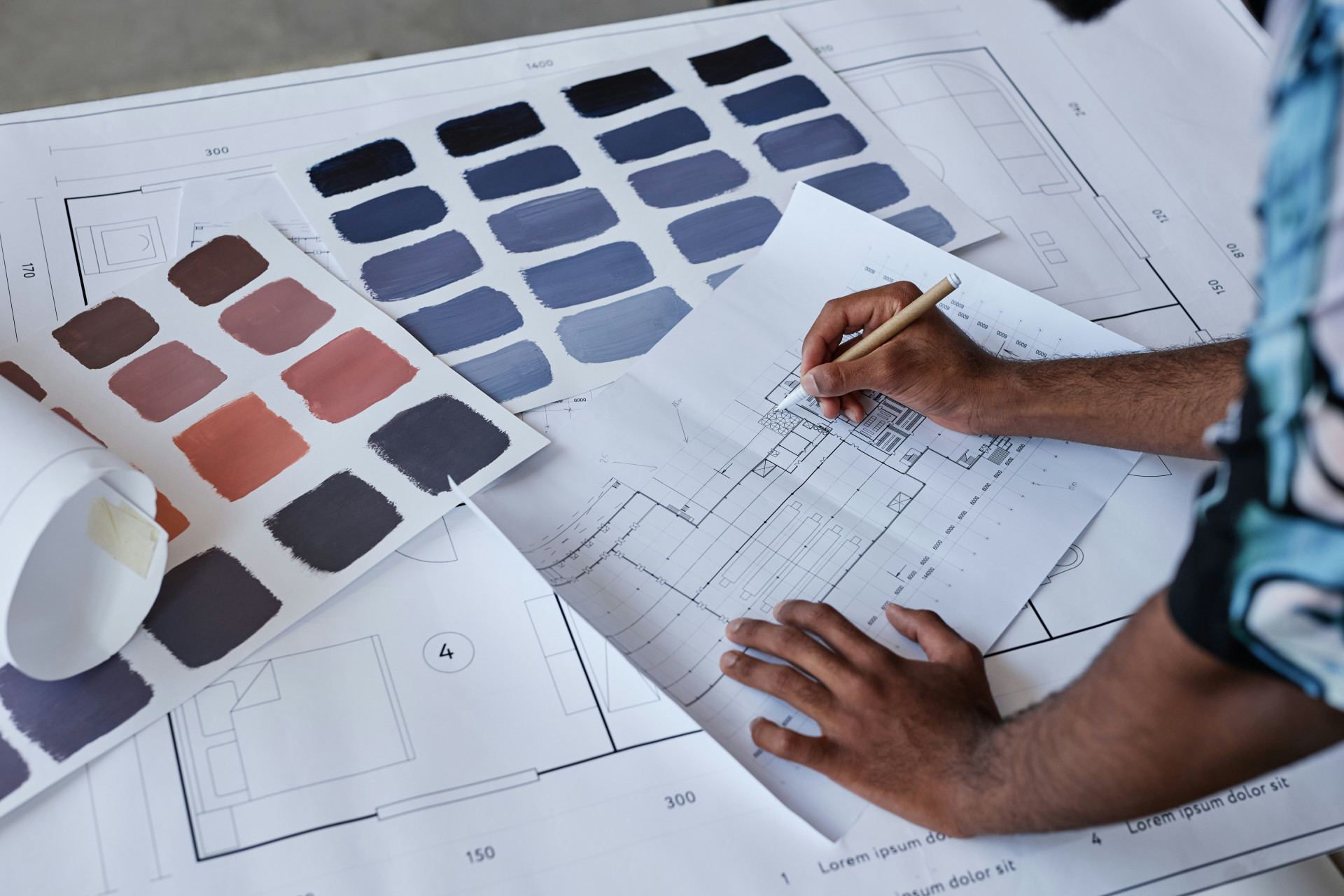
Keep Track of Ideas and Decisions: Plan Your Home with Clarity and Structure
Planning your home—whether it’s a full renovation, a move, or simply a new interior design—can quickly become a complex process. There are countless decisions to make and ideas to manage. Without structure, it can all feel overwhelming. But with the right tools and a clear plan, you can stay organized and turn your home vision into reality in a calm, well-structured way.
Start with a Clear Vision
Before you dive into paint colors, furniture, or materials, take time to define what you truly want to achieve. Ask yourself:
- What works well in my home right now—and what doesn’t?
- What kind of atmosphere do I want to create?
- What needs should my home meet—both now and in the future?
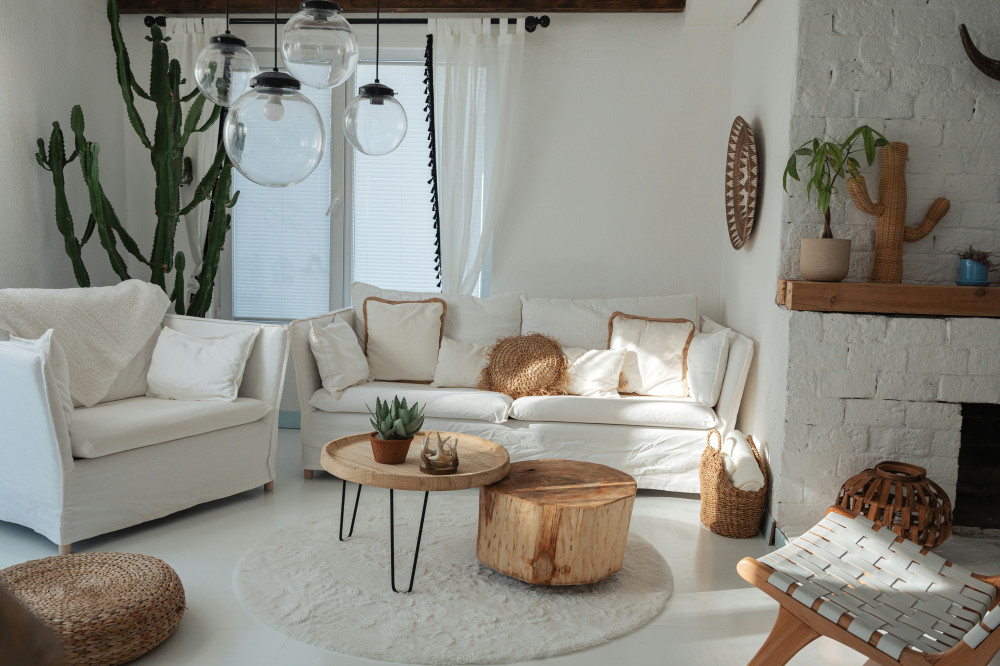
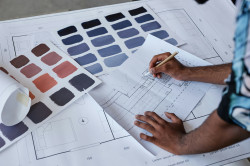
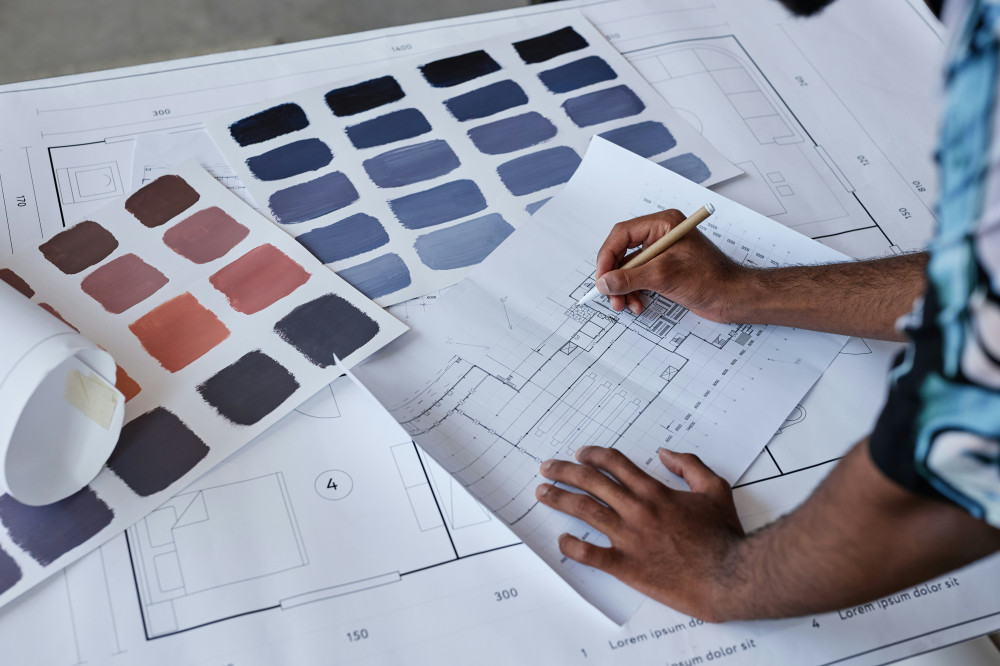
Write down a short description of your vision and gather inspiration—photos, color swatches, and design ideas—in a folder or digital mood board. This will serve as your guide when making decisions later on.
Organize Your Ideas
Once the ideas start flowing, it’s easy to lose track. Use a system that fits your style—whether it’s a notebook, spreadsheet, or digital planning tool. Break your project into categories such as:
- Design and Style – colors, furniture, lighting, fabrics.
- Practical Changes – electrical work, plumbing, storage, functionality.
- Budget and Timeline – what it costs and when it happens.
Keeping everything in one place gives you a clear overview, making it easier to prioritize and adjust as you go.
Decisions Require Structure
During a home project, you’ll face many small decisions that add up to a big impact—from tile choices to outlet placement. A decision list can help you stay on top of it all. Note down:
- What needs to be decided.
- The options you’re considering.
- The pros and cons of each choice.
- Who needs to be involved (for example, contractors or family members).
This approach helps you make thoughtful decisions and ensures nothing important slips through the cracks.
Use Digital Tools to Stay Organized
There are plenty of digital tools that can make home planning easier. Apps like Trello, Notion, or Google Sheets are great for collecting ideas, images, budgets, and to-do lists. You can also use design software or 3D visualization tools to see how your space will look before you start.
The advantage of digital tools is flexibility—you can update them anytime and share them with others, such as your partner, designer, or contractor. This saves time and reduces the risk of miscommunication.
Keep an Eye on Your Budget
Home projects can easily go over budget if you don’t keep track of expenses. Start with a realistic overview of costs—both major items and small details that are easy to overlook. It’s wise to set aside 10–15% of your budget for unexpected expenses.
Update your budget regularly as you receive quotes and make purchases. This gives you a clear picture of where you stand and helps you make adjustments before costs get out of hand.
Allow Room for Change
Even the best plan can evolve. You might discover new possibilities or realize that something doesn’t work as expected. That’s perfectly normal. The key is to have a system that allows you to adapt and adjust without losing your sense of direction.
Think of your plan as a living document—not a rigid rulebook. This mindset gives you the freedom to be creative while maintaining structure and control.
Læs også:


From Vision to Reality
When you have a clear vision, a structured plan, and a system for managing decisions, your home project becomes much more manageable. You’ll work more efficiently, communicate better with professionals, and reduce stress along the way. Most importantly, you’ll create a home that reflects your needs and personality—built with care, clarity, and intention.
Planning your home isn’t just about aesthetics; it’s about process. With structure and organization, you can make the journey from idea to finished home both smooth and inspiring.
Læs også: