Easily Switch Between Workwear and Casual Outfits with a Smart Closet Setup


Easily Switch Between Workwear and Casual Outfits with a Smart Closet Setup
A busy day often means switching quickly between roles — from professional at work to relaxed in your free time. With a well-organized closet setup, you can make that transition smoother and more efficient. It’s not just about having enough space, but about creating structure so you can find what you need without rummaging through piles of clothes. Here’s how to design a closet that supports both your workday and your downtime.
Create Zones in Your Closet
One of the most effective ways to stay organized is to divide your closet into zones. This makes it easier to switch between workwear and casual outfits — especially on hectic mornings.
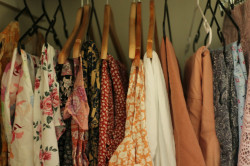
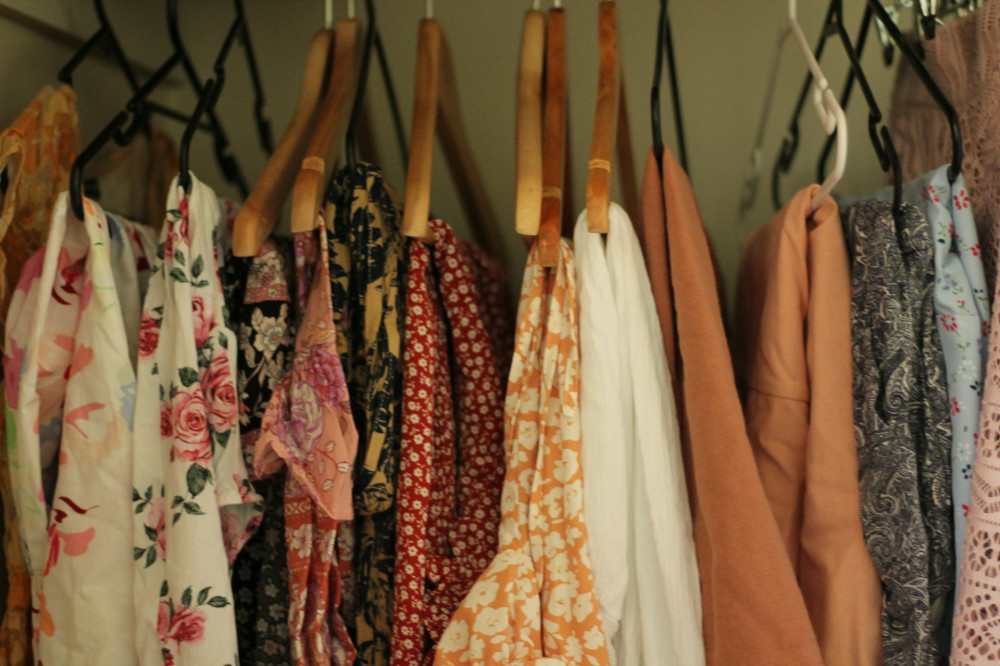
- Work Zone: Keep all your professional clothing here — blouses, dress shirts, slacks, skirts, and blazers. Use matching hangers and keep items at the same height for a clean, cohesive look.
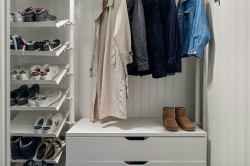
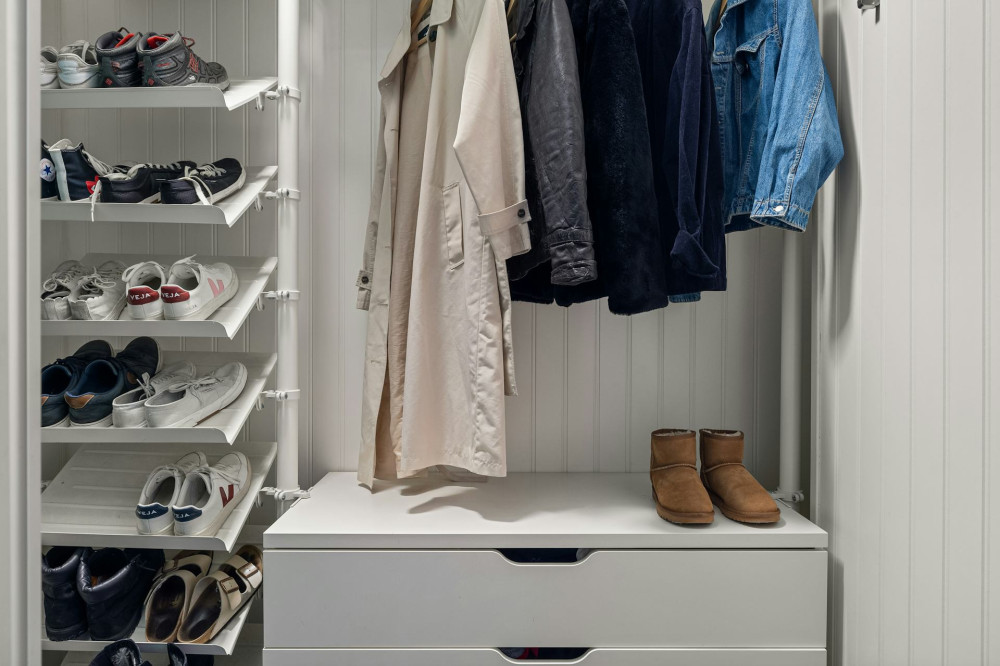
- Casual Zone: Dedicate this area to your off-duty wardrobe — jeans, T-shirts, sweaters, and workout gear. Shelves or drawers work well for these pieces, making them easy to grab and put away.
- Transition Zone: Reserve a small section for versatile items that can work in both settings, like dark jeans, a neutral blazer, or a simple dress. This makes it easy to change your look if you’re heading straight from the office to dinner or a social event.
By organizing your closet this way, you’ll keep your work and casual clothes separate — and save time every day.
Use Smart Storage Solutions
A functional closet isn’t just about space; it’s about using that space wisely. Smart storage solutions can make a big difference.
- Pull-out rods and baskets give you easy access to items that might otherwise get lost in the back.
- Drawer dividers are perfect for underwear, socks, and accessories.
- Hooks and small shelves can hold bags, belts, and jewelry so they don’t end up in a tangled pile.
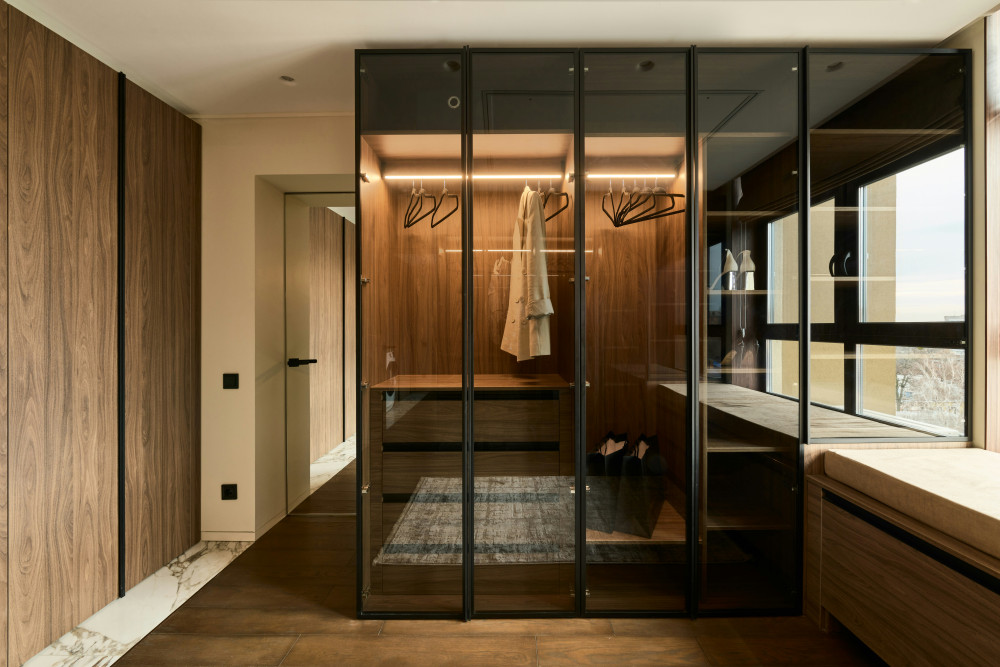
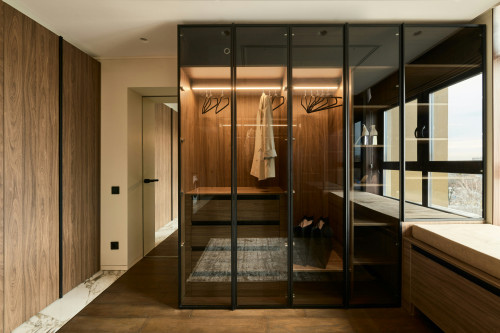
- Good lighting helps you see everything clearly — especially helpful on dark winter mornings.
Consider using clear bins or labels so you can quickly see what’s where. This makes it easier to maintain order over time.
Plan Ahead for the Week
Another way to simplify your routine is to plan your outfits in advance. Many people find that it saves both time and stress in the morning.
Create a “weekly section” in your closet where you hang outfits for the upcoming days. It could be a simple rod or a few hangers set aside for Monday through Friday. That way, you won’t have to decide what to wear when you’re in a rush.
You can also have a “ready-to-go” section for freshly laundered and pressed clothes, so you always have something prepared when you need to head out quickly.
Think About Materials and Care
When setting up your closet, consider how different fabrics should be stored. Delicate workwear fabrics do best when hung freely, while casual cotton or knitwear can be folded neatly.
Use breathable materials like fabric or wooden boxes for shoes and accessories to prevent moisture and odors. And make sure your clothes have enough space to “breathe” — it helps them stay fresh and last longer.
Læs også:


Make Your Closet a Pleasant Space
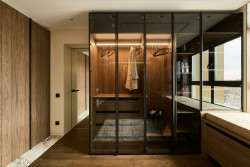
A closet should be practical, but it can also be inviting. A mirror, a small bench, or even a plant can make the space more enjoyable to use. When your closet feels pleasant, it’s easier to keep it organized.
You can also use color and lighting to set the mood. Warm lighting and soft tones create a calm atmosphere, while lighter colors can make the space feel larger and more open.
A Closet That Works for You
A smart closet setup is ultimately about creating a system that fits your lifestyle. When you can easily switch between workwear and casual outfits, you’ll have more energy and less clutter in your day. It’s a small investment of time and planning that pays off with a smoother, more balanced routine.
Læs også: