How to Choose Sustainable Materials for Your Freestanding Wardrobe

How to Choose Sustainable Materials for Your Freestanding Wardrobe
A freestanding wardrobe is more than just a storage solution—it’s a statement piece that reflects your style and values. Choosing sustainable materials isn’t only about aesthetics or durability; it’s also about how those materials are sourced, produced, and disposed of. Here’s a guide to help you make environmentally responsible choices for your wardrobe without compromising on quality or design.
Think in Life Cycles – From Raw Material to Reuse
Sustainability is about the entire life cycle of a material. A product might look eco-friendly at first glance, but if it requires a lot of energy to produce or can’t be recycled, it may not be the best choice in the long run.
When evaluating materials, consider:
- Origin of the raw material – Is it renewable, and does it come from responsibly managed sources?
- Environmental impact of production – How much energy and water are used, and are harmful chemicals released?
- Durability and maintenance – The longer a material lasts, the lower its overall environmental footprint.
- Recyclability or reuse potential – Can the material be disassembled and reused when the wardrobe eventually reaches the end of its life?
By thinking about the full life cycle, you can make choices that are better for both the planet and your wallet.
Wood – A Classic and Natural Choice
Wood remains one of the most popular materials for wardrobes because it’s strong, timeless, and repairable. However, not all wood is equally sustainable.
- Choose FSC- or PEFC-certified wood, which ensures it comes from responsibly managed forests.
- Solid wood often lasts longer than veneer or particleboard and can be refinished or reused.
- Locally sourced wood reduces transportation emissions and supports regional businesses.
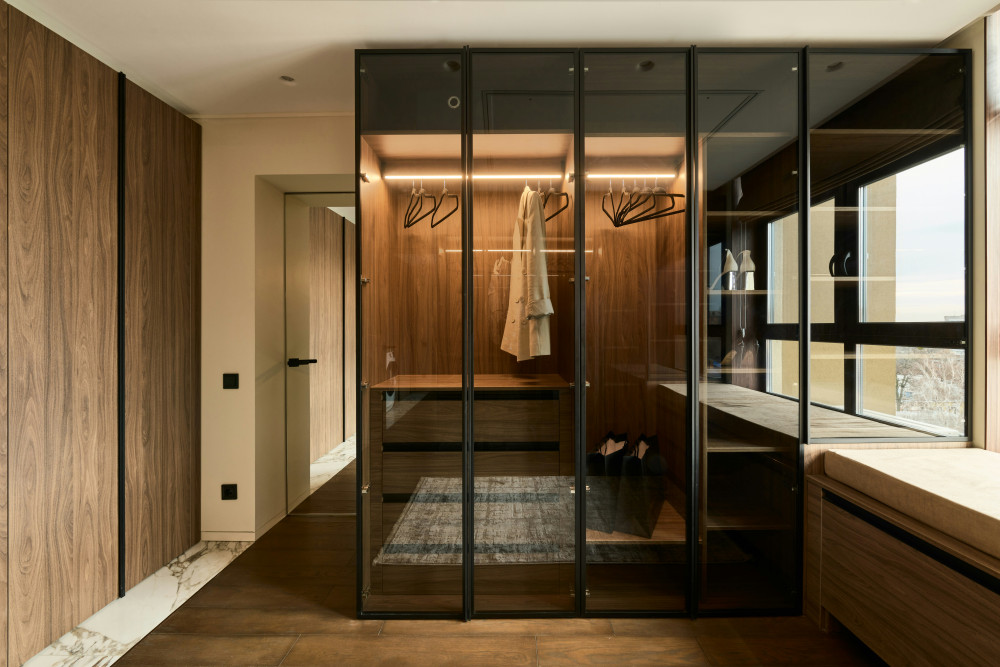
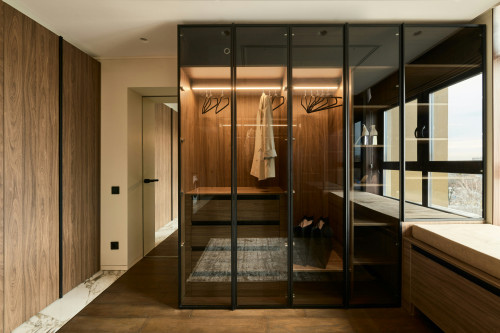
If you prefer a modern look, consider mixing wood with other materials like metal or glass—just make sure they can be separated and recycled later.
Læs også:
Reclaimed and Recycled Materials
More furniture makers are now offering wardrobes made from reclaimed wood, recycled metal, or repurposed plastic. These materials might come from old barns, industrial buildings, or even discarded furniture.
The advantage of reclaimed materials is that they reduce the need for new resources and often have a unique, character-rich appearance. You can also take a DIY approach—refurbish a secondhand wardrobe with new paint, updated hardware, or a fresh interior layout. It’s sustainable, affordable, and adds a personal touch.
Low-Toxic Finishes and Treatments
Even the most sustainable material can lose its eco-friendly edge if it’s coated with harmful chemicals. Look for finishes that are low in volatile organic compounds (VOCs) and free from formaldehyde.
- Natural oils and waxes protect wood while highlighting its grain and texture.
- Water-based paints and sealants are safer alternatives to solvent-based products.
- Untreated or minimally treated surfaces can offer a raw, natural look—just be prepared for a bit more maintenance.
In the U.S., look for certifications such as Greenguard or EPA Safer Choice, which indicate lower chemical emissions and safer ingredients.
Metal, Glass, and Other Alternatives
If you’re drawn to a more industrial or contemporary style, materials like steel, aluminum, or glass can be excellent sustainable options.
- Recycled steel and aluminum have a much lower carbon footprint than newly produced metals.
- Tempered glass is durable and recyclable, provided it’s not laminated with plastic.
- Bamboo is a fast-growing renewable resource, but make sure it’s sourced from certified, responsibly managed plantations.
Combining materials thoughtfully can create a wardrobe that’s both stylish and environmentally sound.
Design for Longevity and Repair
Sustainability isn’t just about what your wardrobe is made of—it’s also about how it’s built. Choose a design that can be disassembled, repaired, or updated over time. This makes it easier to replace parts instead of the entire piece.
A timeless design in neutral colors will stay relevant for years, reducing the urge to replace it. Consider modular options that allow you to add shelves or drawers as your needs change—extending the wardrobe’s life and functionality.
A Conscious Choice
Choosing sustainable materials for your freestanding wardrobe is an investment in quality, ethics, and the future of the planet. It may take a bit of research, but the result is a piece of furniture you can feel good about—both aesthetically and environmentally.
By making mindful choices, you contribute to a more circular economy where resources are used wisely and design goes hand in hand with responsibility. That’s sustainability in action—right in your home.
Læs også: