Temporary Closet? How to Create Space in Small Homes


Temporary Closet? How to Create Space in Small Homes
When space is tight and your closet feels like a never-ending puzzle, a temporary solution can bring calm and order to your daily routine. Whether you live in a studio apartment, share a dorm room, or simply need extra storage for a while, there are plenty of smart ways to create functional closet space—without sacrificing style. Here’s how to make the most of every square foot.
Think Flexibly—and Use Vertical Space
In small homes, flexibility is key. A temporary closet doesn’t have to mean a bulky wardrobe; it can be a mix of racks, shelves, and bins that adapt to your needs.
- Rolling garment racks let you move your clothes wherever you need them—bedroom, hallway, or even living room—especially if you choose a design that looks good on display.
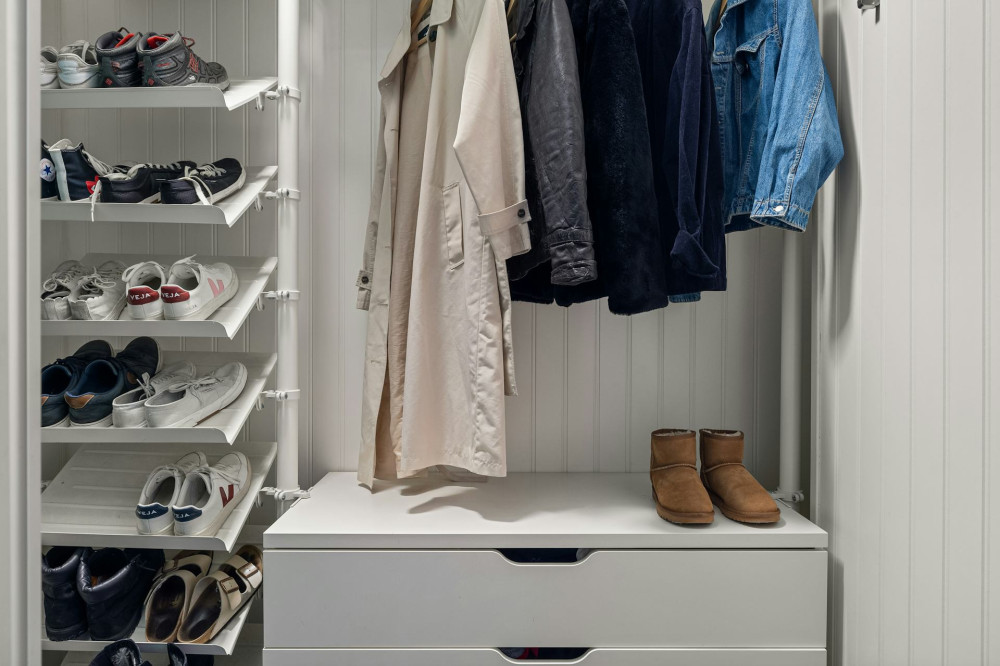
- High shelves and stackable bins make use of vertical space. Store off-season clothes, shoes, or bags up high to free up everyday space.
- Hooks and wall-mounted organizers can hold coats, hats, and accessories, turning unused wall space into practical storage.
By thinking vertically and modularly, you can create a closet that fits your lifestyle instead of the other way around.
Create Zones—Even in One Room
Even in a single-room apartment, you can create a sense of separation between your closet and living area. It’s all about defining zones.
- Use a curtain, folding screen, or open shelving unit as a room divider. It adds structure and a bit of privacy.
- Choose coordinated colors and materials so your storage blends seamlessly with the rest of your décor.
- Consider under-bed storage—drawers or rolling bins can hold a surprising amount of clothing without taking up extra floor space.
When you visually divide the room, it feels larger and more organized, even if the square footage stays the same.
Temporary Solutions That Last
Even if your closet setup is temporary, it’s worth choosing pieces that will hold up over time. A sturdy metal or wooden rack can be reused in a new home or repurposed for another function.
- Foldable racks can be tucked away when not in use.
- Modular systems that expand or reconfigure give you flexibility as your needs change.
- DIY and upcycling projects are both sustainable and budget-friendly. An old ladder can become a rack, and a wooden crate can turn into a shoe shelf.
Think of your temporary closet as an investment in adaptability—not a compromise.
Rotate by Season
One of the best tricks for managing a small-space wardrobe is seasonal rotation. Store winter clothes in vacuum-sealed bags or bins under the bed during summer, and swap them out when the weather changes. It frees up space and helps you see what you actually wear.
Set a routine to review your wardrobe twice a year. It’s the perfect time to declutter, donate, or sell what you no longer use.
Læs også:



Make It Part of Your Décor
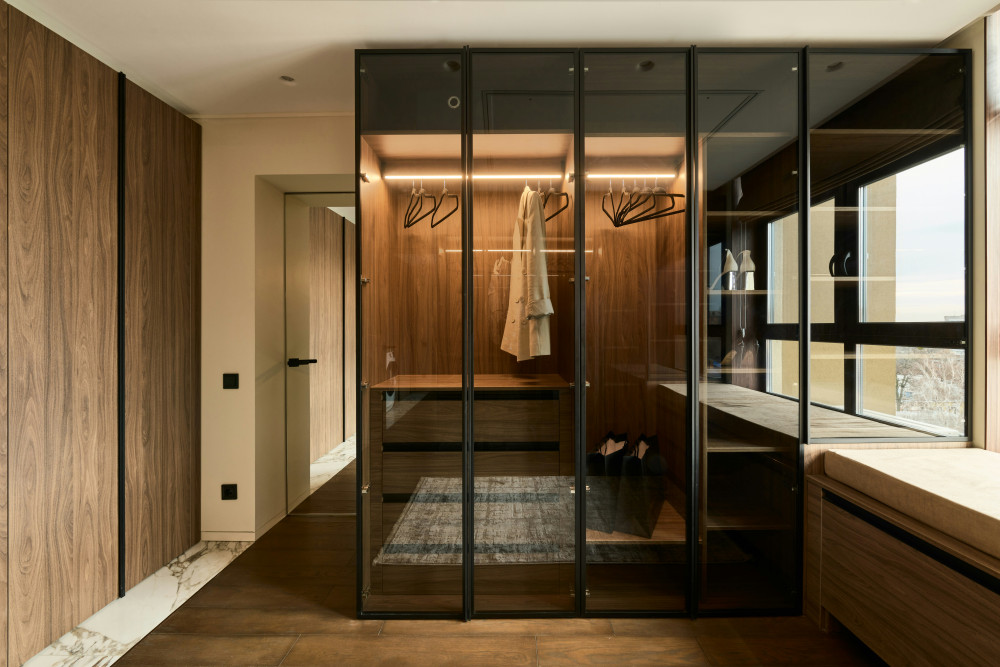
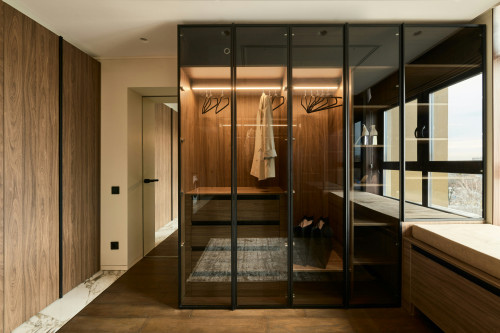
A temporary closet doesn’t have to be hidden away. In fact, it can become a stylish feature of your home. Choose hangers, baskets, and fabrics that match your aesthetic, and let colors and textures tie everything together.
An open rack with your favorite pieces can add personality to the room—and might even inspire you to mix and match your outfits in new ways.
Small Spaces, Big Potential
Creating closet space in a small home ultimately comes down to creativity and planning. With flexible solutions, thoughtful storage, and a touch of design sense, even the smallest spaces can feel roomy and functional.
A temporary closet can be the start of a more intentional way of living—where you surround yourself only with what you truly use and love.
Læs også: