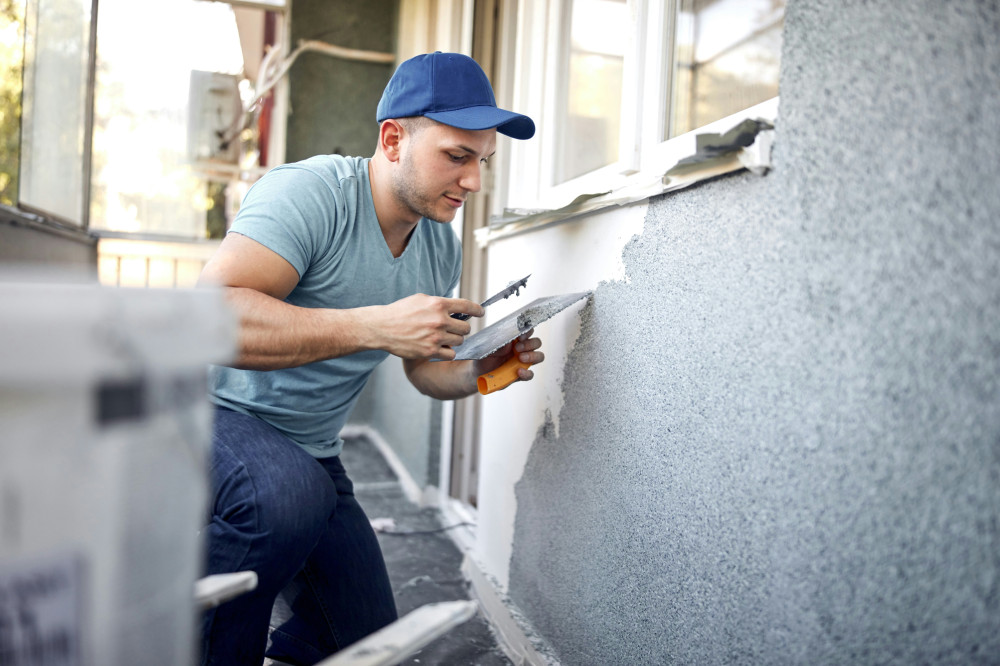
Facade cleaning as a regular part of your home maintenance plan

Facade cleaning as a regular part of your home maintenance plan
Your home’s exterior is the first thing people notice—and one of the most exposed parts of the building. Over time, wind, rain, pollution, mold, and algae can leave stains and buildup that not only dull your home’s appearance but can also damage the materials underneath. That’s why facade cleaning shouldn’t be treated as a one-time project, but as a regular part of your home maintenance plan.
Why facade cleaning matters
A clean facade is about more than curb appeal. Dirt, algae, and mildew trap moisture, and moisture is the enemy of most building materials. When water seeps into brick, stucco, or siding, it can lead to cracking, peeling paint, and even structural damage over time.
Regular cleaning removes these contaminants, helping your exterior surfaces dry properly and last longer. It also makes repainting or sealing more effective, since clean surfaces allow coatings to adhere better. In short, keeping your facade clean protects both the look and the longevity of your home.
Læs også:
How often should you clean your facade?
The right cleaning schedule depends on your home’s location, materials, and local climate.
- Urban homes are often exposed to vehicle exhaust, dust, and pollution. A professional cleaning every 2–3 years can help prevent buildup and discoloration.
- Homes in humid or wooded areas are more prone to algae and mildew, especially on shaded or north-facing walls. These may need inspection and cleaning once a year.
- Newer or treated facades with protective coatings may require less frequent cleaning, but should still be checked regularly for early signs of staining or growth.
The key is to act early—when you notice green patches, dark streaks, or dulling surfaces, it’s time to schedule a cleaning before the problem worsens.
What professional facade cleaning involves
A professional cleaning service will start by assessing the condition of your exterior to choose the safest and most effective method. The process typically includes three steps:
- Pre-treatment – A cleaning solution is applied to loosen dirt, algae, and pollutants.
- Gentle washing – The surface is rinsed with low to moderate pressure to remove buildup without damaging mortar, paint, or siding.
- Protective treatment – Many homeowners choose to finish with a water-repellent or anti-algae coating to slow future growth and staining.
While it may be tempting to use a pressure washer yourself, high pressure can easily damage brick joints, stucco, or wood siding. A professional has the right equipment and expertise to clean thoroughly without causing harm.
Preventive steps to keep your facade looking great
Once your facade is clean, a few simple habits can help maintain it longer:
- Keep gutters and downspouts clear so water doesn’t run down your walls.
- Trim nearby trees and shrubs to allow sunlight and airflow, which discourage mold and algae.
- Consider sealing or waterproofing porous materials like brick or stone.
- Inspect annually for cracks, loose mortar, or early signs of discoloration.
By combining preventive care with regular cleaning, you can avoid costly repairs and keep your home’s exterior in top condition.
A smart investment in your home’s value
Regular facade cleaning is one of those maintenance tasks that quickly pays off. A well-kept exterior not only enhances your home’s appearance but also protects it from long-term damage.
By making facade cleaning a consistent part of your maintenance plan—alongside roof care, painting, and gutter cleaning—you’ll ensure your home stays strong, beautiful, and well-protected for years to come.
Læs også: