Insulating Brick Walls – How to Evaluate the Results After the Work Is Done

Insulating Brick Walls – How to Evaluate the Results After the Work Is Done
Adding insulation to brick walls is one of the most effective ways to improve your home’s energy efficiency and comfort. But once the contractors have packed up and the walls look neat and finished, how can you tell whether the job actually delivered the expected results? Evaluating the outcome involves more than just checking appearances—it’s about comfort, performance, and long-term savings. Here’s a guide to help you assess the quality and effectiveness of your new wall insulation.
Start with What You Can See – Inspect the Surface and Details
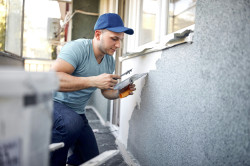
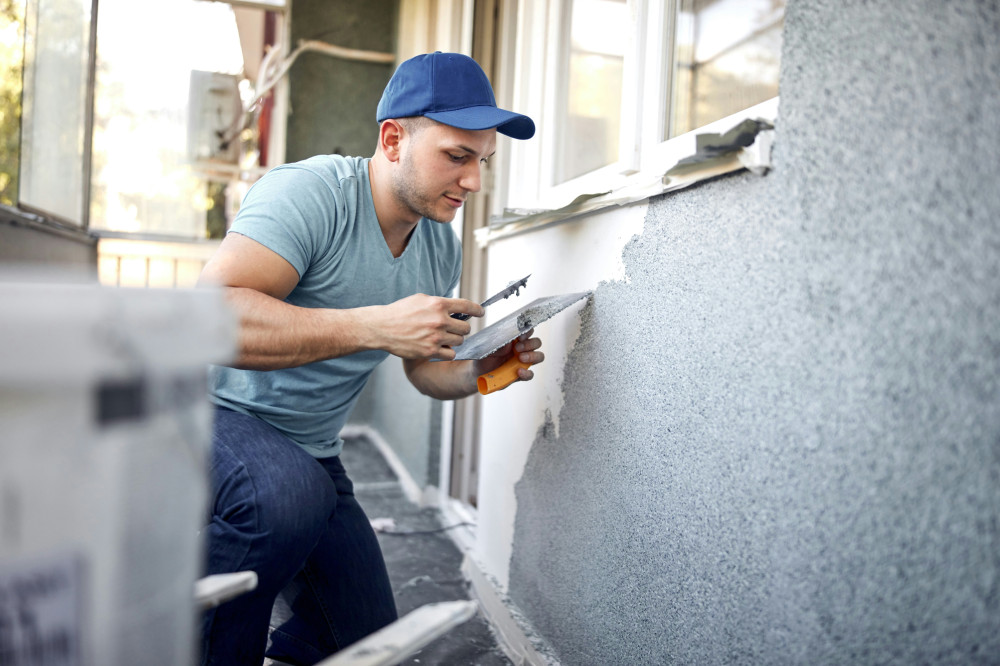
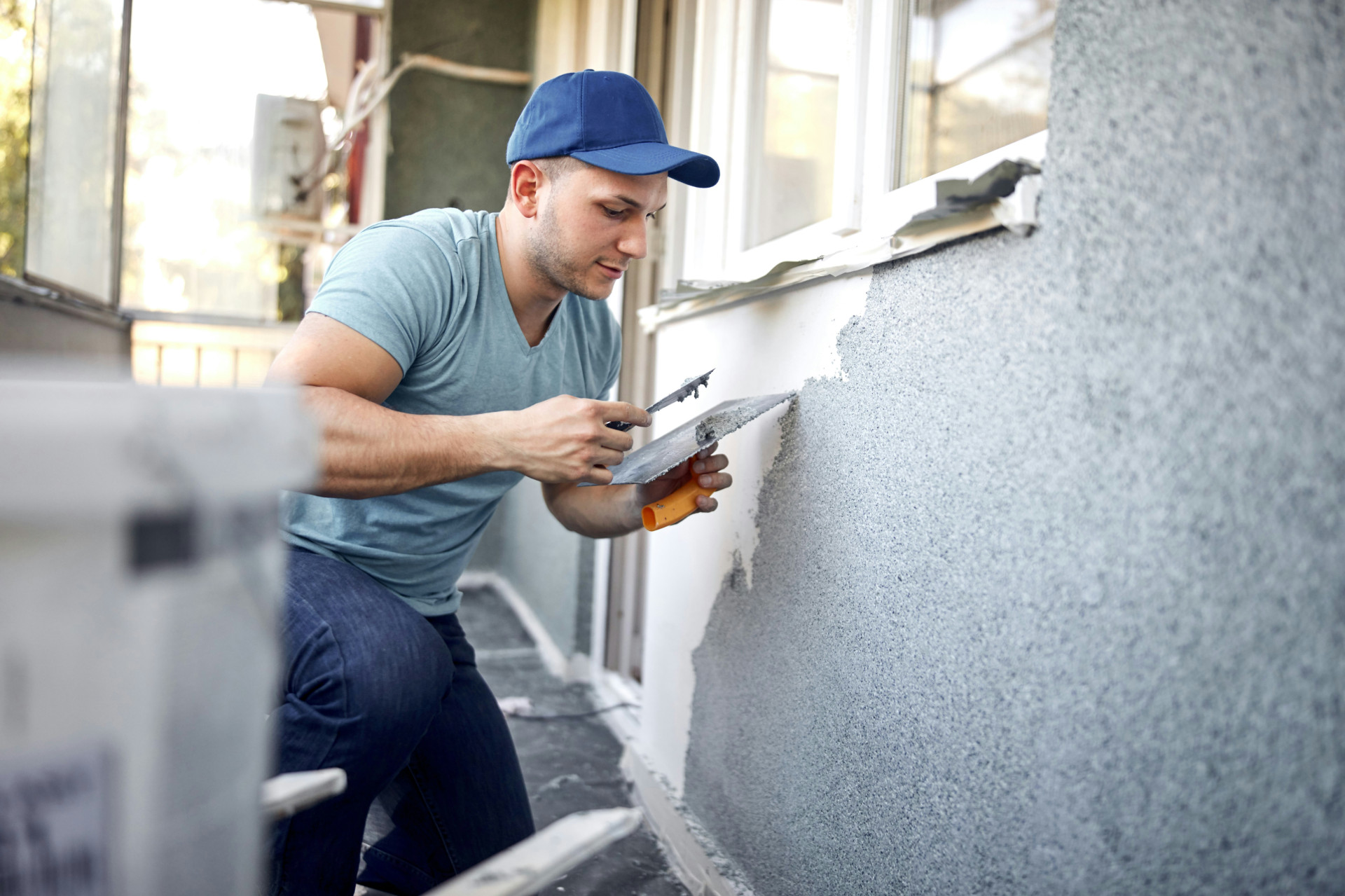
Begin with a careful visual inspection. A properly completed insulation job should look even and consistent, with no cracks, bulges, or discoloration on the surface. If the walls were finished with stucco or siding, check that the surface is smooth and that all joints and edges are sealed properly.
Pay special attention to transitions around windows, doors, and the foundation. These areas are common trouble spots where gaps or poor sealing can lead to drafts, moisture intrusion, or thermal bridging. Make sure caulking and flashing are intact and that there are no visible openings where water could enter.
Feel the Difference – Comfort and Temperature
One of the clearest signs of successful insulation is improved indoor comfort. The interior surfaces of exterior walls should feel warmer to the touch, and rooms should heat up more quickly and evenly. If you used to notice cold spots or drafts near outside walls, those should now be significantly reduced or gone altogether.
You can also use a simple infrared thermometer to measure wall surface temperatures. More uniform and higher surface temperatures indicate that the insulation is performing as intended and reducing heat loss through the walls.
Læs også:
Track Your Energy Use
The most tangible way to measure the impact of insulation is through your energy bills. Compare your heating or cooling costs before and after the project—ideally over a full year to account for seasonal variations. A well-insulated brick wall can reduce heating and cooling energy use by 10–30%, depending on your home’s age, size, and previous insulation levels.
If your utility company provides online usage data, monitor your monthly consumption. This can help you see how your home responds to temperature changes and whether your HVAC system is running more efficiently.
Watch for Moisture and Ventilation Issues
Adding insulation changes how your home handles moisture and air movement. While tighter walls help conserve energy, they can also trap humidity if ventilation is inadequate. Keep an eye out for condensation on windows or damp spots on walls—these can signal that indoor humidity is too high.
Make sure your home has proper ventilation, either through regular airing out or with a mechanical ventilation system. In very airtight homes, a heat recovery ventilator (HRV) or energy recovery ventilator (ERV) can help maintain healthy air quality while minimizing energy loss.
Consider Professional Testing
For a more precise evaluation, you can hire an energy auditor to perform a thermal imaging inspection. Using an infrared camera, the auditor can identify areas where heat is still escaping or where insulation coverage may be incomplete.
A blower door test is another valuable tool. It measures how airtight your home is by detecting air leaks through the building envelope. The results can pinpoint specific areas that need additional sealing to maximize the benefits of your insulation.
Documentation and Warranty
When the work is complete, you should receive documentation from your contractor detailing the materials used, installation methods, and any warranties. Keep these records—they’re useful for future maintenance, home appraisals, or resale.
If you notice issues such as moisture, cracking, or disappointing energy savings, contact the contractor who performed the work. Many reputable companies offer follow-up inspections or warranty service to address any problems that arise after installation.
A Home Improvement That Should Be Felt and Seen
Insulating brick walls is an investment that should deliver visible and measurable results: warmer rooms, lower energy bills, and a more comfortable living environment. By inspecting the work carefully, monitoring your home’s performance, and using professional testing when needed, you can ensure that your insulation project meets expectations—and that your investment pays off for years to come.
Læs også: