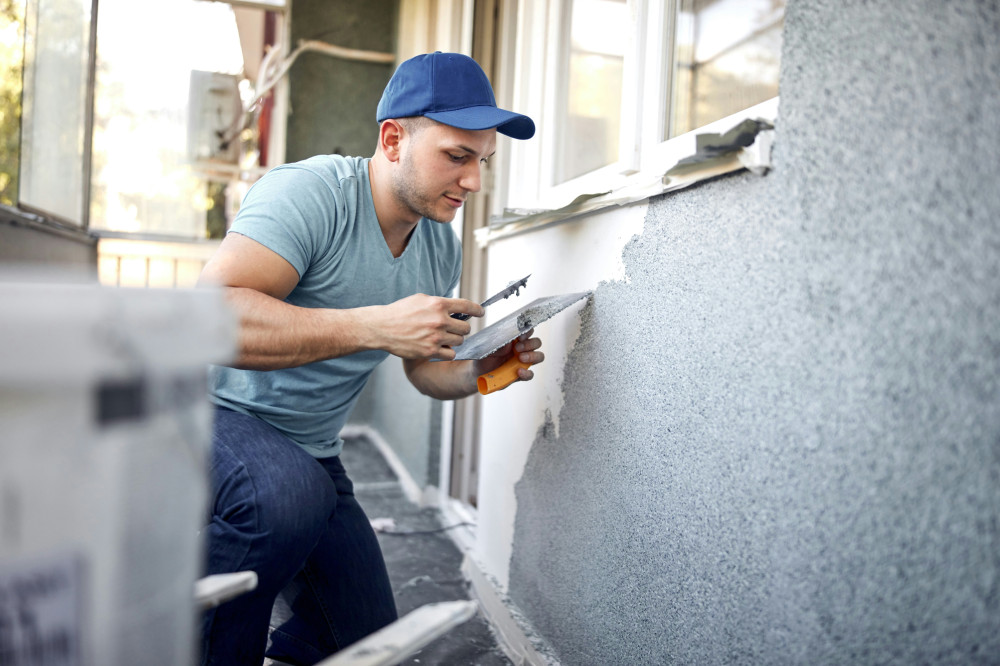
Reusing Foundation Materials – Sustainable Masonry Repair

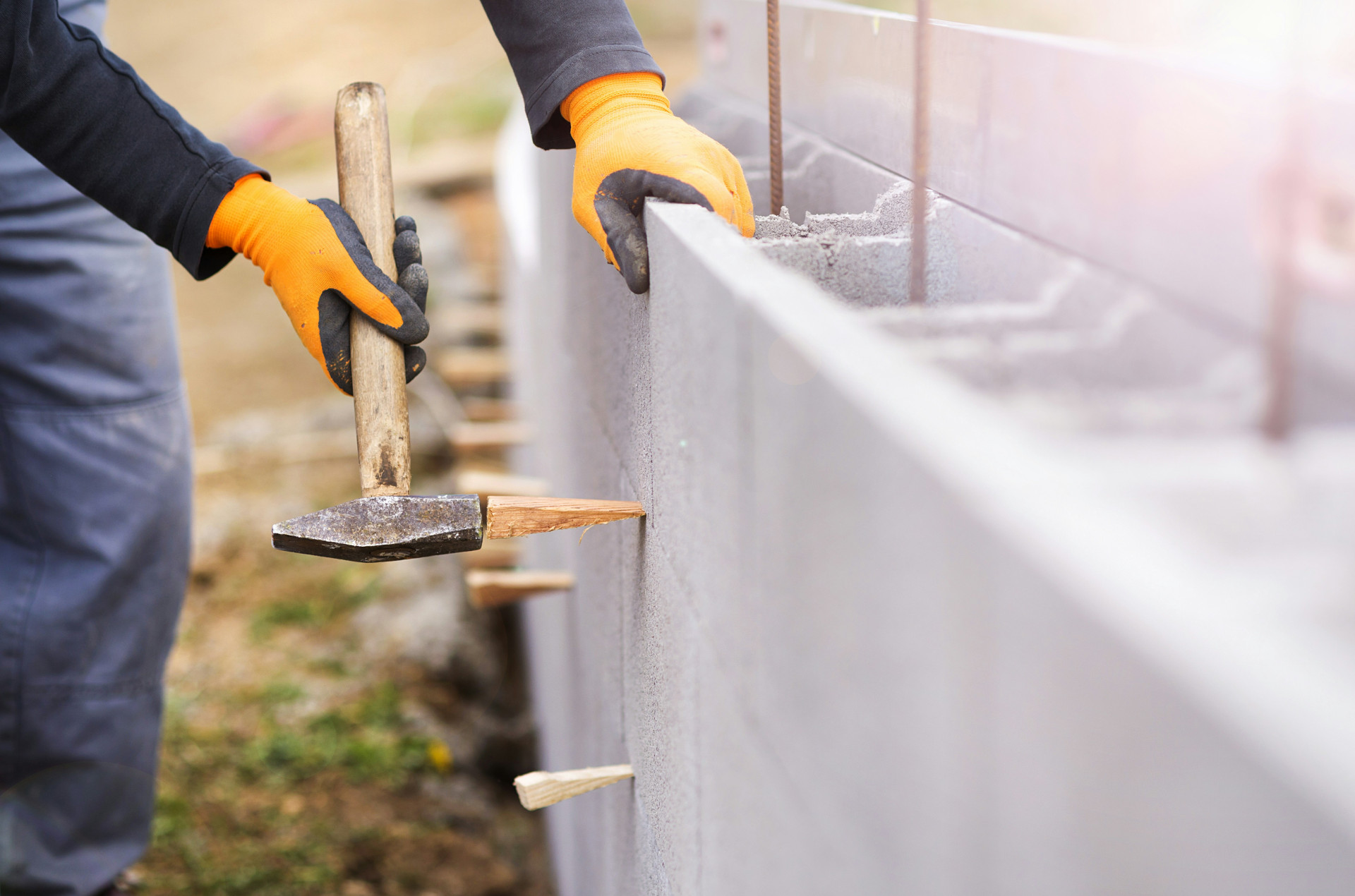
Reusing Foundation Materials – Sustainable Masonry Repair
When a home’s foundation begins to show signs of wear—cracks, flaking, or moisture damage—it can be tempting to replace everything with new materials. But in many cases, much of what’s already there can be reused, saving both money and resources. Reusing foundation materials isn’t just about sustainability; it’s also about preserving the character and strength of the original structure. Here’s how you can approach masonry repair with a sustainable mindset.
Why Reuse Makes Sense
The foundation is the critical transition between the ground and the walls above. It protects the building from moisture, frost, and mechanical stress. Often, only certain sections are damaged, while the rest remains sound. By reusing the intact portions, you reduce waste and maintain the integrity of the original construction.
Older masonry materials often have qualities that modern products can’t easily replicate. Lime-based mortars, natural stone, and hand-pressed bricks tend to be more breathable and flexible than modern cement-based alternatives. Reusing these materials helps ensure both technical compatibility and visual harmony, especially in historic or traditional homes.
Assessing the Condition of the Foundation
Before starting any repair, it’s essential to evaluate which parts of the foundation can be preserved. Look for:
- Cracks and flaking – minor damage can often be repaired locally.
- Frost damage – remove only the bricks or stucco that are clearly deteriorated.
- Moisture issues – identify whether the problem stems from drainage, downspouts, or rising damp before repairing.
- Material soundness – tap the surface lightly; a hollow sound may indicate loose areas that need replacement.
A careful assessment can save time and ensure that only the necessary materials are replaced.
Reusing Brick and Mortar
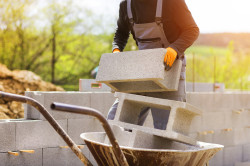
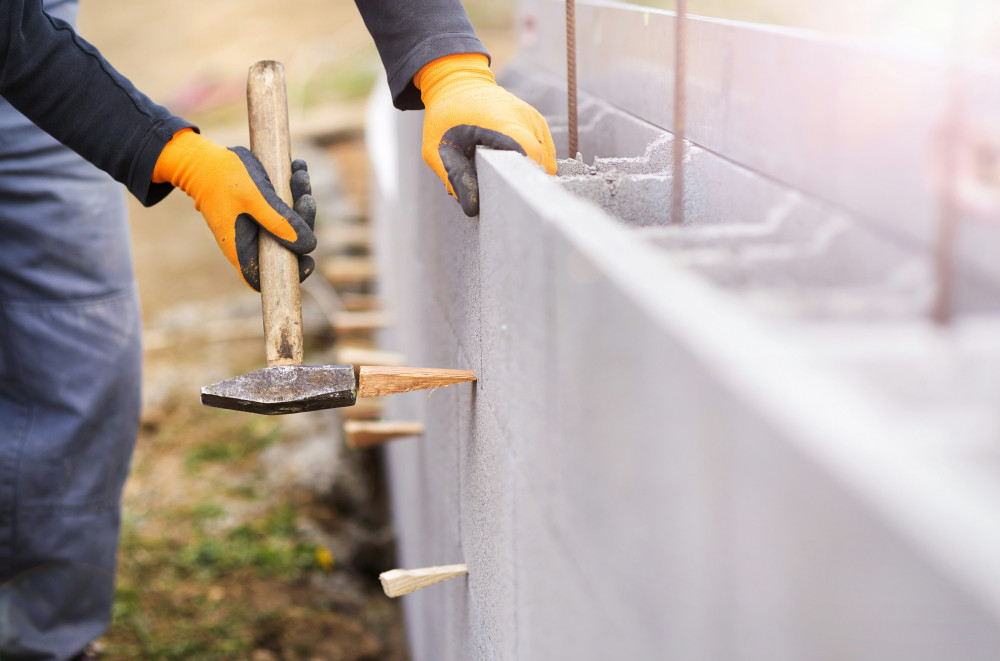
When removing damaged sections, many old bricks can be cleaned and reused. Use a hammer and chisel to gently remove old mortar, taking care not to chip the edges. Bricks that remain solid and free of frost damage can be incorporated into the new work.
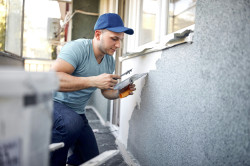
When repointing or rebuilding, choose a mortar that matches the original composition. In older American homes, lime mortar was commonly used because it allows moisture to evaporate through the wall. Using a hard cement mortar instead can trap moisture, leading to spalling or cracking in the bricks themselves.
Sustainable Practices in Action
Sustainability in masonry repair goes beyond material reuse. Consider these practical approaches:
- Clean and reuse existing bricks, stones, and stucco whenever possible.
- Source materials locally to reduce transportation emissions and maintain regional character.
- Limit cement use – lime-based mortars are more environmentally friendly and better suited to older masonry.
- Plan for longevity – choose repair methods that can be maintained and repaired again in the future.
Combining traditional craftsmanship with modern knowledge results in a foundation that’s both durable and environmentally responsible.
When to Call a Professional
While small repairs can be handled by skilled homeowners, larger or structural issues often require professional expertise. A qualified mason can determine which materials can be reused and how best to match the existing work. This investment often pays off in the long run through improved durability and appearance.
Læs også:
A Foundation with History and Future
Reusing foundation materials is more than a practical choice—it’s a way to honor a building’s history. Every brick and layer of mortar tells part of the story of the home. By preserving and reusing what still works, you extend not only the life of the foundation but also the legacy of the structure itself.
Sustainable masonry repair is about balance: between old and new, between function and aesthetics, and between environmental responsibility and craftsmanship. It’s an approach that strengthens both the building—and your conscience.
Læs også: