Get Your Home Ready for Humid Seasons with Effective Insulation

Get Your Home Ready for Humid Seasons with Effective Insulation
As summer approaches in many parts of the U.S., humidity levels rise, bringing sticky air, condensation, and potential moisture problems inside the home. Whether you live in the Southeast, the Midwest, or along the Gulf Coast, high humidity can affect both comfort and the condition of your house. Damp walls, musty smells, and mold growth are not just unpleasant—they can also lead to costly repairs and higher energy bills. Fortunately, effective insulation can help you control moisture, improve comfort, and protect your home year-round. Here’s how to prepare your home for humid seasons with smart insulation strategies.
Understand How Moisture Enters Your Home
Moisture can find its way indoors through several paths—air leaks, poor ventilation, or condensation that forms when warm, moist air meets cool surfaces. Identifying where the problem starts is the first step toward solving it.
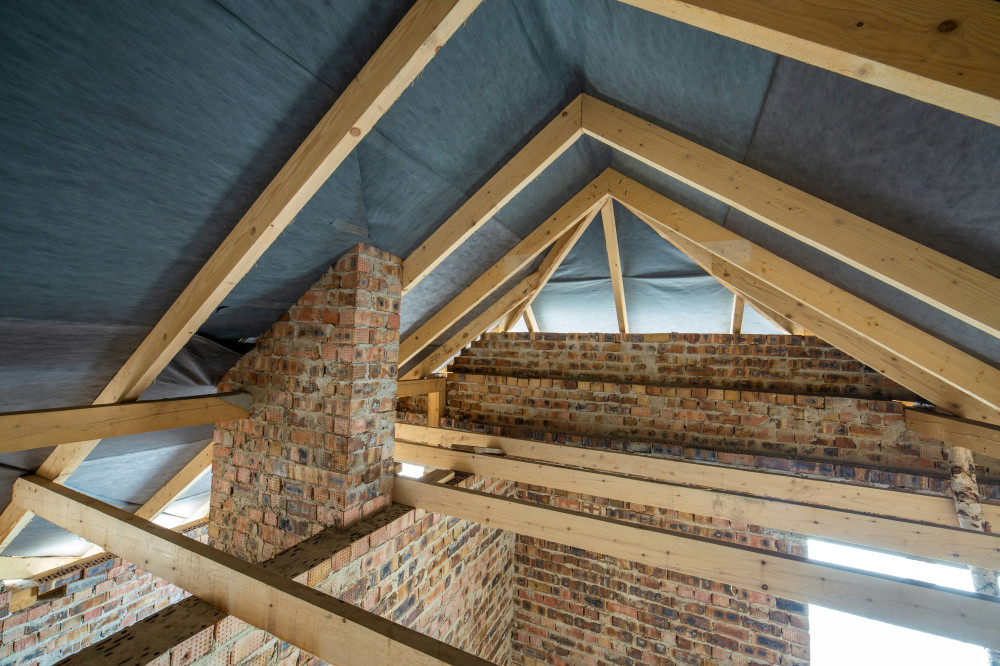
- Attics and roofs often allow humid air to enter if insulation or ventilation is inadequate.
- Basements and crawl spaces can absorb moisture from the ground, especially if vapor barriers or drainage systems are missing or damaged.
- Windows and doors may leak air and moisture if seals and weatherstripping are worn out.
A professional home energy audit or inspection can help pinpoint problem areas and guide you toward the most effective improvements.
Insulation: Your First Line of Defense
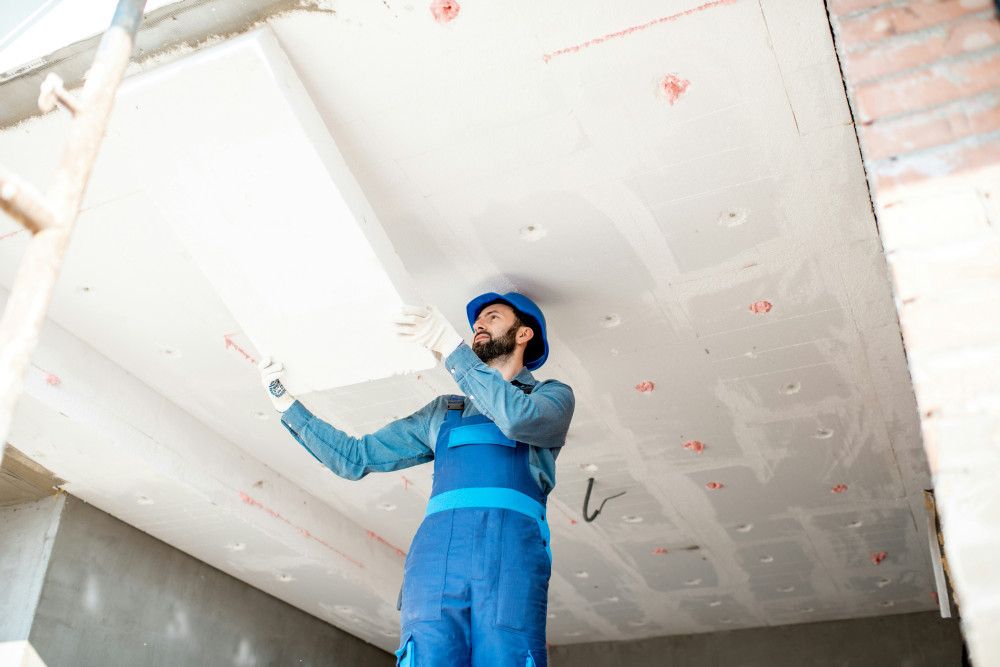
Good insulation does more than keep your home warm in winter—it helps maintain stable indoor temperatures that reduce condensation and moisture buildup. When walls, ceilings, and floors are properly insulated, surfaces stay warmer, making it harder for humidity to settle and cause damage.
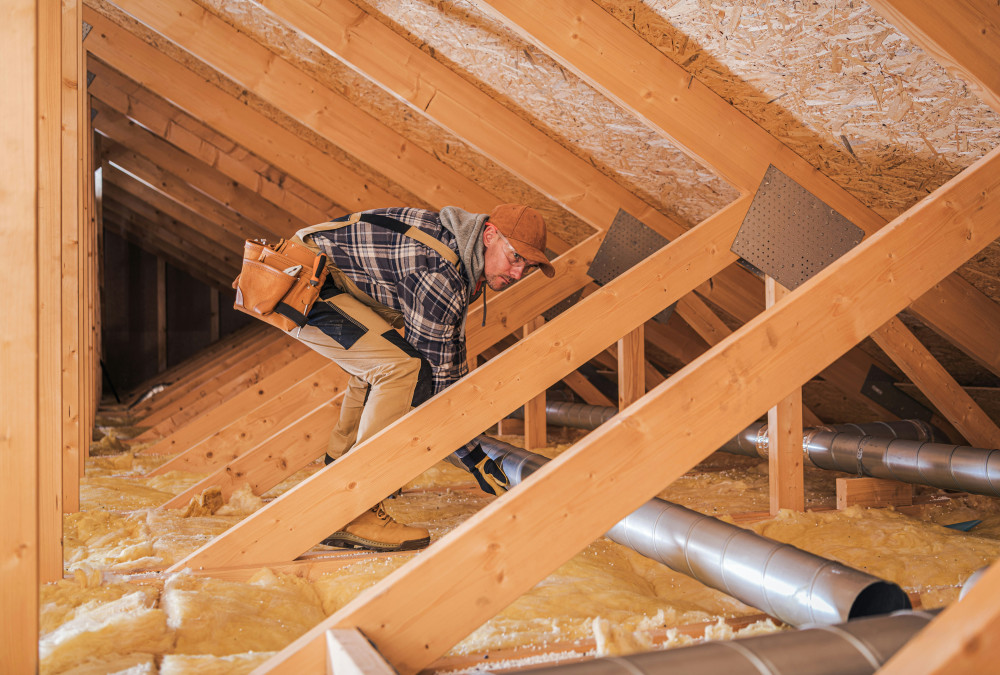
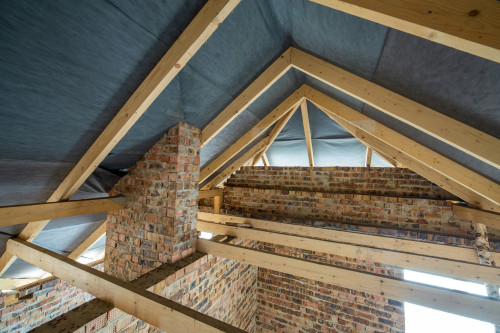
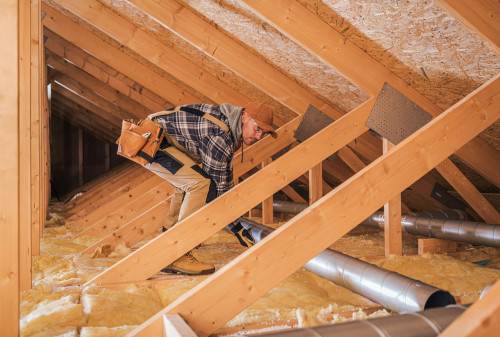
- Attic insulation is often the most cost-effective upgrade. Because heat rises, an under-insulated attic can lead to significant energy loss and moisture issues.
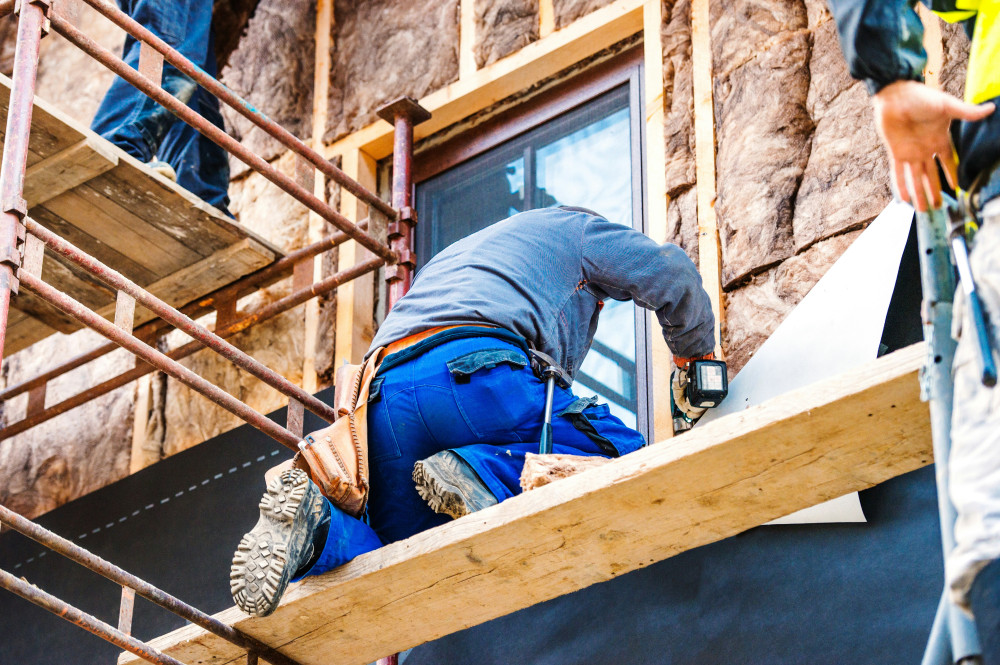
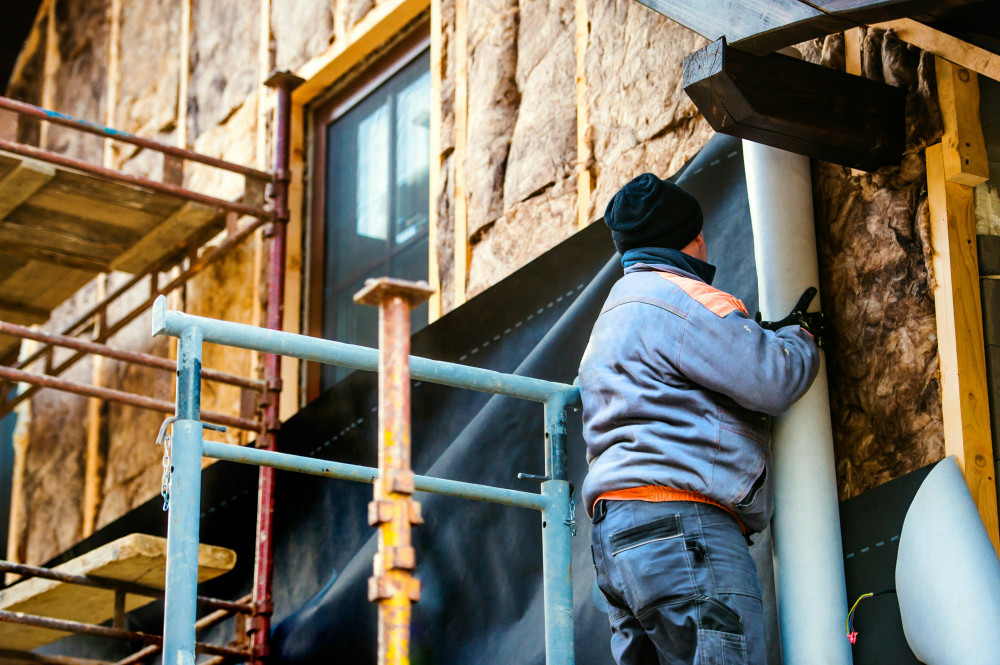
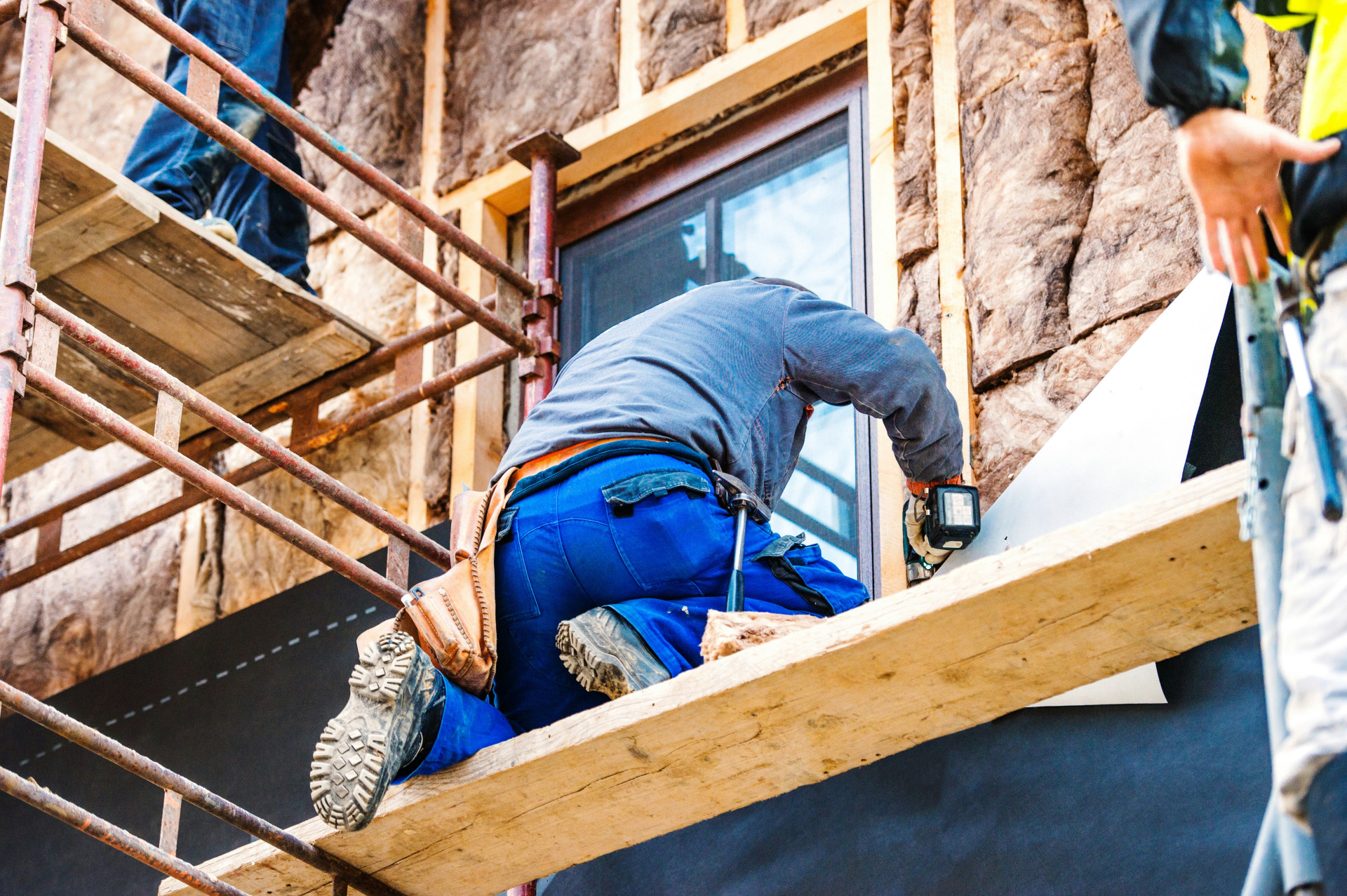
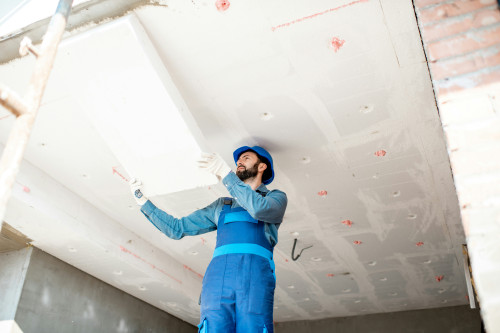
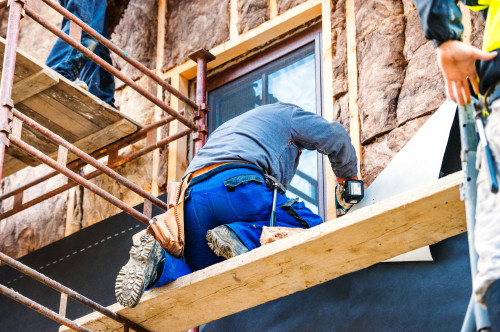
- Wall insulation—whether added from the inside or outside—helps regulate temperature and prevent condensation. Exterior insulation is typically more effective but may require more extensive work.
- Floor and crawl space insulation is especially important in older homes or those built over damp ground.
Pairing insulation with vapor barriers and proper ventilation ensures a dry, healthy indoor environment throughout the year.
Choose Moisture-Resistant Materials
The type of insulation you choose plays a big role in how your home handles humidity. Some materials can absorb and release moisture without losing performance, while others need extra protection.
- Fiberglass or mineral wool are classic choices that insulate well and resist moisture to a certain degree.
- Cellulose insulation made from treated recycled paper can help regulate humidity but must be installed with care to prevent mold.
- Spray foam insulation (such as closed-cell polyurethane) creates an air- and moisture-tight seal, making it ideal for basements, crawl spaces, and other high-humidity areas.
Always make sure the material suits your home’s structure and climate zone. Improper installation can trap moisture and cause more harm than good.
Læs også:
Ventilation: Insulation’s Best Partner
When you improve insulation, your home becomes tighter—and that means ventilation becomes even more important. Without proper airflow, indoor humidity can rise, especially in kitchens, bathrooms, and laundry rooms.
Consider installing mechanical ventilation with heat or energy recovery, which brings in fresh air while conserving energy. If that’s not an option, make a habit of airing out your home daily. Opening windows for 5–10 minutes in the morning or evening can help release trapped moisture and refresh indoor air.
Don’t Overlook the Small Details
Even minor leaks and gaps can have a big impact on moisture control and energy efficiency. Take time to inspect and maintain the following:
- Weatherstripping around windows and doors—replace it if it’s cracked or brittle.
- Plumbing and electrical penetrations—seal gaps with moisture-resistant foam or caulk.
- Gutters and downspouts—keep them clean and ensure water drains away from the foundation.
These small fixes can prevent moisture problems before they start.
A Smart Investment for Comfort and Protection
While upgrading insulation requires an upfront investment, it pays off through lower energy bills, fewer moisture-related repairs, and a more comfortable living environment. It can also increase your home’s value and sustainability.
Before starting, consult a licensed contractor or energy specialist. They can help you choose the right materials, ensure proper installation, and make sure your home meets local building codes.
Ready for Humid Seasons—All Year Long
With the right combination of insulation, ventilation, and maintenance, your home can stay comfortable and dry no matter how humid it gets outside. Effective insulation isn’t just about saving energy—it’s about protecting your home’s structure and your family’s health. Once your insulation is in top shape, you’ll feel the difference in every season.
Læs også: