Plan Insulation for Remodeling or Additions

Plan Insulation for Remodeling or Additions
When you remodel your home or build an addition, insulation is one of the most important elements to plan from the start. Proper insulation not only keeps your home comfortable year-round but also reduces energy costs and helps prevent moisture problems. At the same time, U.S. building codes set specific requirements for energy efficiency and insulation performance. Here’s a guide to help you plan insulation for a healthy, efficient, and future-ready home.
Include Insulation in the Early Planning
Insulation should never be an afterthought. When you’re designing your remodel or addition, consider insulation as part of the overall structure and budget. The right materials and installation methods depend on your home’s design, location, and intended use.
For a remodel, the goal is often to improve existing walls, ceilings, and floors. For an addition, you have the opportunity to design insulation from the ground up. In both cases, think about:
- The home’s orientation and exposure to sun and wind
- The insulation’s R-value (thermal resistance)
- Air sealing and moisture control
- How insulation interacts with ventilation and vapor barriers
An architect, energy consultant, or certified home energy rater can help you find the right balance between comfort, cost, and code compliance.
Know the Building Code Requirements
In the United States, insulation requirements are governed by the International Energy Conservation Code (IECC), which is adopted and modified by each state. The code specifies minimum R-values for walls, roofs, floors, and foundations, depending on your climate zone.
As a general rule, new construction and additions must meet current code standards, while renovations should bring existing assemblies as close as possible to modern energy performance levels. It’s often worth exceeding the minimum requirements—adding a few extra inches of insulation during construction costs little compared to the long-term savings on heating and cooling.
You can check your local code or consult your building department to confirm the required R-values for your area.
Læs også:
Choose the Right Insulation Materials
There are many types of insulation materials available, each with its own advantages. The best choice depends on your project, budget, and environmental goals. Common options include:
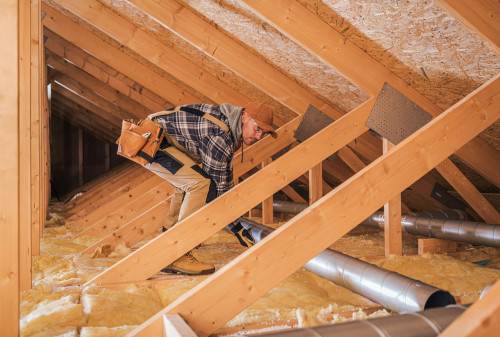
- Fiberglass batts or rolls – affordable, widely available, and easy to install.
- Blown-in cellulose – made from recycled paper, great for filling irregular spaces and improving air tightness.
- Spray foam (open- or closed-cell) – provides high R-values and excellent air sealing, ideal for tight spaces.
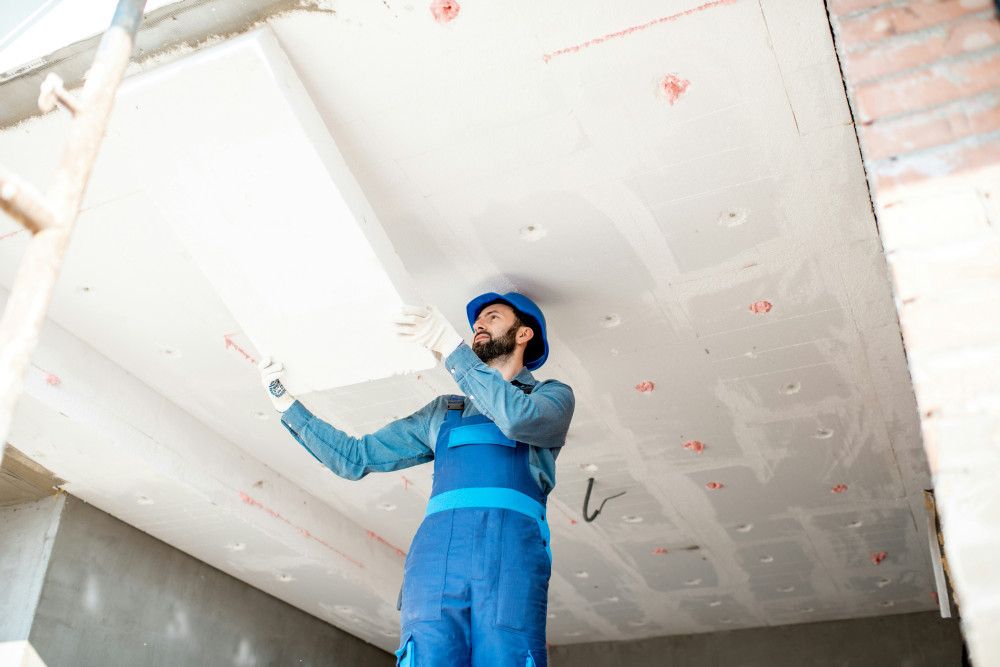
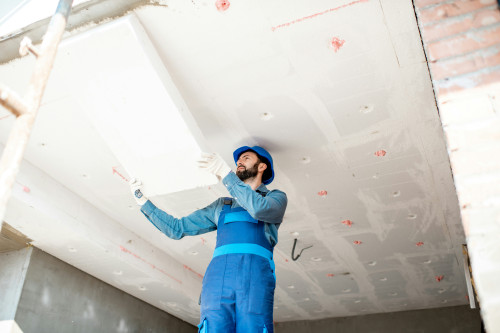
- Rigid foam boards (XPS, EPS, or polyiso) – high insulation value per inch, often used for foundations, roofs, and exterior walls.
- Mineral wool – fire-resistant, sound-absorbing, and moisture-tolerant.
If sustainability is a priority, look for materials with recycled content or low environmental impact. Many modern insulation products are designed to improve both energy efficiency and indoor air quality.
Prevent Thermal Bridges and Moisture Issues
Even the best insulation won’t perform well if there are gaps or thermal bridges—areas where heat can escape through framing or poorly sealed joints. Moisture problems can also arise if warm, humid air leaks into cooler parts of the structure.
To avoid these issues:
- Ensure insulation is continuous and properly fitted.
- Install vapor barriers and air barriers correctly.
- Seal around windows, doors, and penetrations.
- Provide adequate ventilation, especially in attics and crawl spaces.
A well-sealed home should also have controlled ventilation—either natural or mechanical—to maintain good indoor air quality and prevent condensation.
Combine Energy Efficiency and Comfort
Insulation is about more than saving energy—it’s about creating a comfortable living environment. A well-insulated home stays warmer in winter, cooler in summer, and quieter year-round.
Combine insulation with energy-efficient windows, tight air sealing, and proper shading to maximize comfort. Consider how sunlight enters your home: take advantage of passive solar heat in winter and protect against overheating in summer.
Lower energy bills, consistent indoor temperatures, and improved comfort all add value to your home.
Get Professional Advice
While many homeowners can handle simple insulation projects, professional guidance is often worth the investment. A home energy auditor, contractor, or insulation specialist can perform energy modeling, recommend materials, and ensure proper installation.
Mistakes in insulation or air sealing can lead to costly repairs later—especially if they cause moisture or mold problems. A professional inspection or blower door test can verify that your home is performing as intended.
A Smart Investment for the Future
Planning insulation carefully during a remodel or addition is an investment that pays off for years to come. You’ll enjoy lower utility bills, greater comfort, and a healthier indoor environment—while also reducing your home’s carbon footprint.
With thoughtful design and quality materials, you can create a home that’s energy-efficient, comfortable, and ready to meet the energy standards of the future.
Læs også: