The Vapor Barrier – The Key to Effective Home Insulation

The Vapor Barrier – The Key to Effective Home Insulation
When it comes to home insulation, most people focus on the thickness or type of insulation material. But there’s another crucial element that often goes unnoticed: the vapor barrier. This thin, protective layer plays a vital role in keeping your home dry, energy-efficient, and structurally sound. In this article, we’ll explore what a vapor barrier is, why it’s so important, and how to make sure it performs as intended in your home.
What Is a Vapor Barrier?
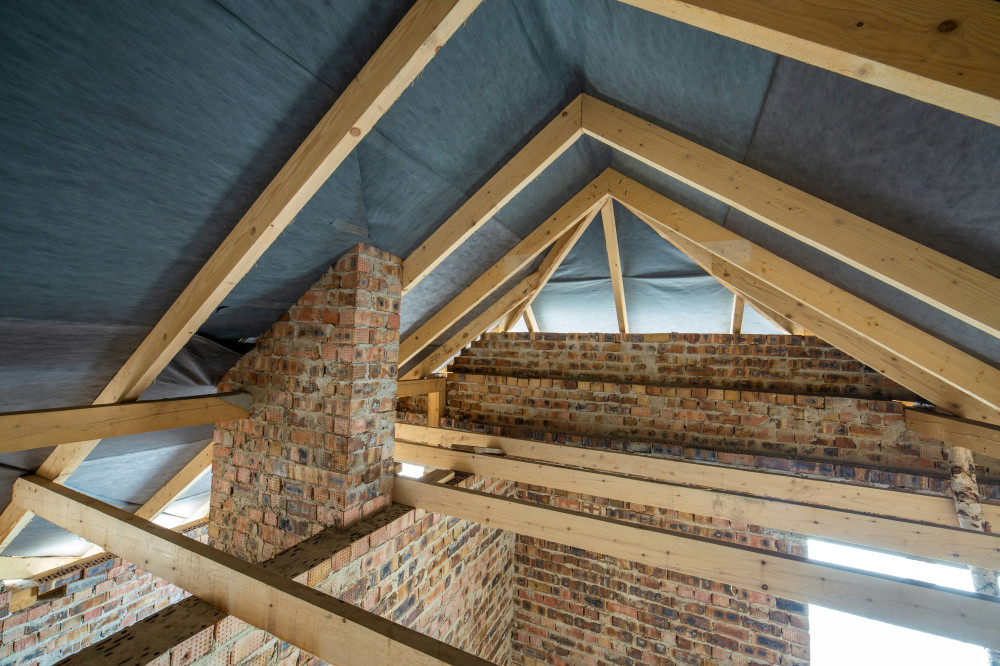
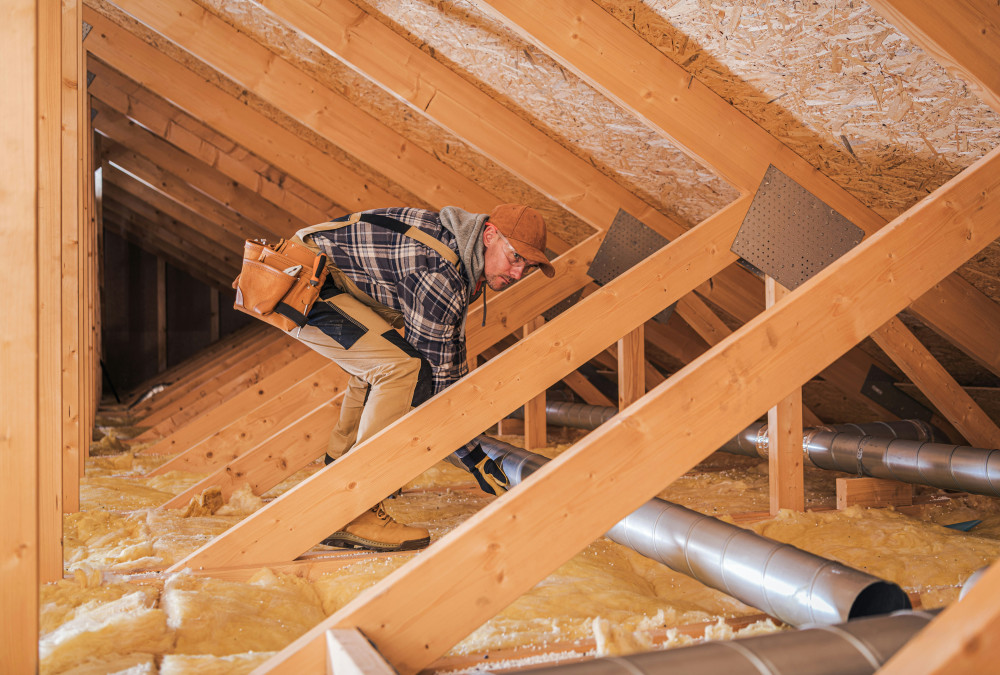
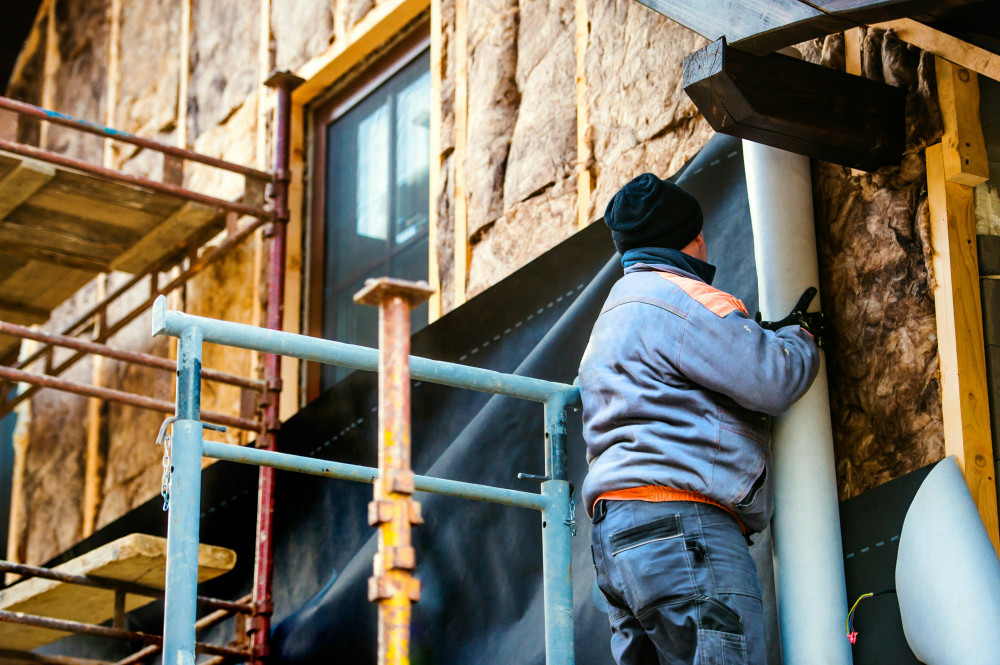
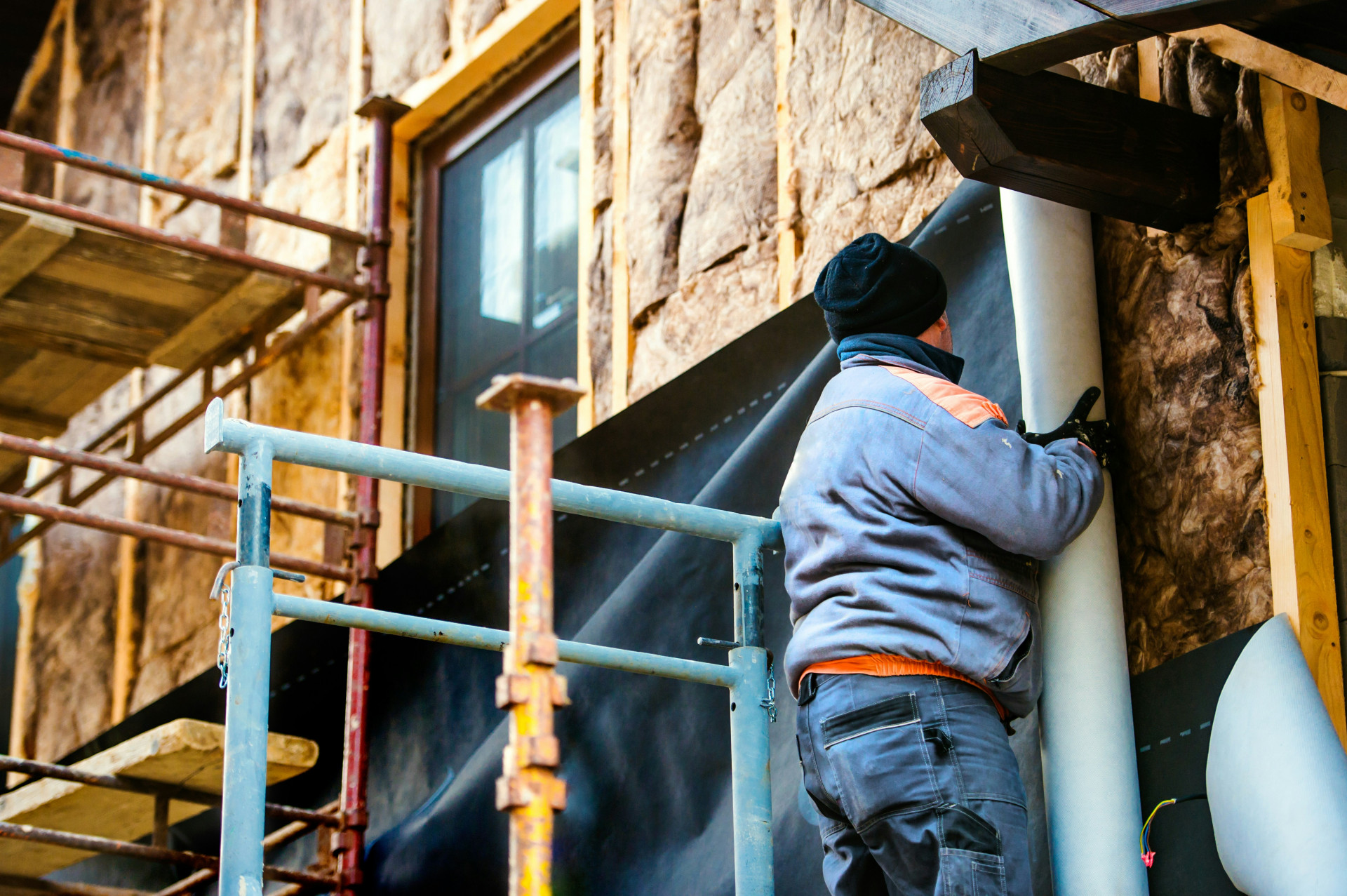
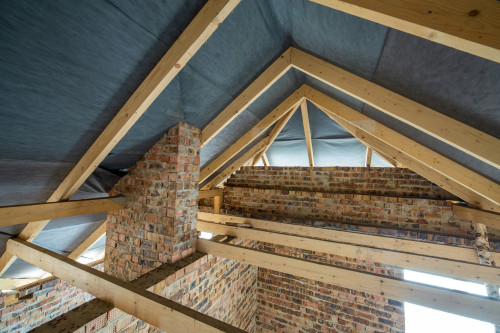
A vapor barrier is a layer—usually made of polyethylene plastic or specialized membrane—installed on the warm side of a wall, ceiling, or floor assembly. Its purpose is to prevent moisture from the indoor air from migrating into the insulation and structural components, where it can condense and cause damage.
When warm, humid indoor air meets a cold surface inside a wall or roof, condensation can form. Over time, this moisture can lead to mold growth, wood rot, and a significant reduction in the insulation’s effectiveness. The vapor barrier acts as a shield, keeping moisture inside the living space, where it can be safely removed through proper ventilation.
Why the Vapor Barrier Matters
A properly installed vapor barrier is essential for maintaining both energy efficiency and indoor air quality. Even small gaps or punctures can allow moisture to penetrate, leading to hidden damage that may take years to become visible.
- Prevents moisture damage: The vapor barrier protects insulation and framing materials from dampness that can degrade their performance.
- Extends the life of your home: By keeping walls and ceilings dry, it helps prevent mold, mildew, and rot.
- Improves energy efficiency: A tight vapor barrier reduces heat loss, helping your HVAC system work more efficiently and lowering energy bills.
- Supports a healthy indoor environment: Less trapped moisture means fewer allergens and a lower risk of mold-related health issues.
Læs også:
Common Mistakes—and How to Avoid Them
Even minor installation errors can compromise the vapor barrier’s effectiveness. Here are some of the most common issues and how to prevent them:
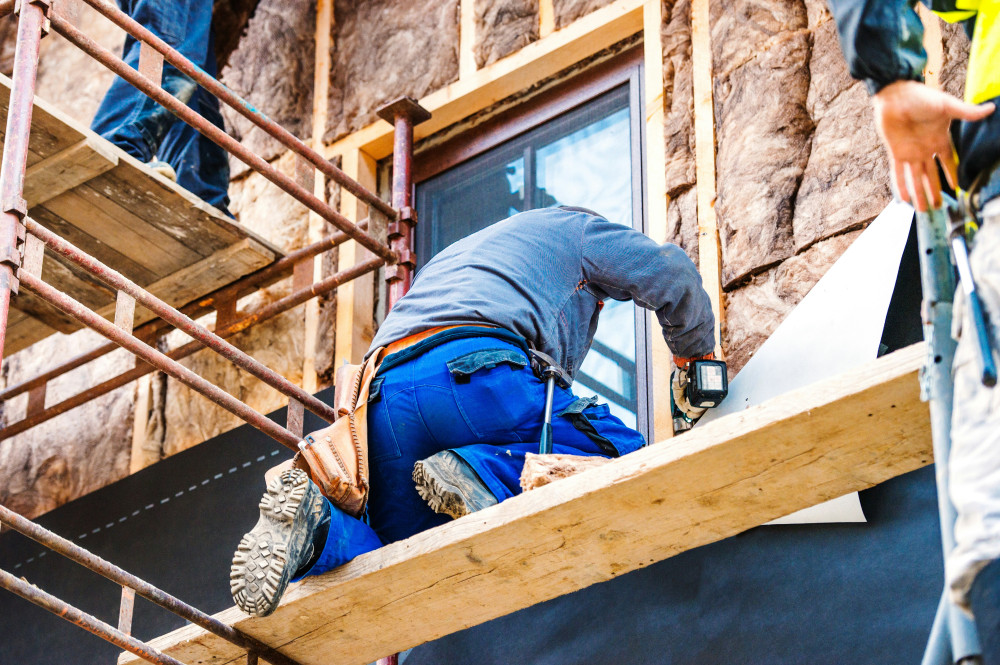
- Leaky seams: Overlap all seams by several inches and seal them with vapor-resistant tape.
- Penetrations for wiring or plumbing: Seal around all openings carefully using gaskets, caulk, or specialized sealing tape.
- Incorrect placement: The vapor barrier should always be installed on the warm side of the insulation—typically the interior side in cold climates.
- Insufficient overlap: Ensure at least a few inches of overlap between sheets to prevent gaps where moisture can pass through.
Precision is key. A poorly sealed vapor barrier can render even the best insulation ineffective, leading to costly repairs down the road.
Modern Materials and Smart Solutions
Traditional vapor barriers are made from polyethylene sheeting, but newer materials offer more flexibility. Vapor retarders—sometimes called “smart” vapor barriers—allow limited moisture transfer, helping walls “breathe” while still providing protection. These are especially useful in mixed or humid climates, where moisture levels fluctuate throughout the year.
Some advanced products even adjust their permeability based on humidity levels, tightening up when conditions are damp and loosening when it’s dry. While more expensive, these intelligent barriers can be a worthwhile investment for homes in variable climates.
DIY or Professional Installation?
If you’re an experienced DIYer, installing a vapor barrier can be a manageable project—provided you follow manufacturer instructions carefully and pay close attention to sealing details. However, for larger projects such as new construction or major renovations, hiring a professional is often the best choice. A qualified contractor can ensure the barrier is properly installed, tested for leaks, and integrated with the rest of your home’s building envelope.
A Small Layer with a Big Impact
The vapor barrier may be hidden behind drywall or flooring, but its importance can’t be overstated. It’s the key to keeping your insulation effective, your home dry, and your energy bills low.
When planning a remodel or new build, make sure the vapor barrier is part of the conversation from the start. It’s a small investment that pays off in comfort, durability, and long-term energy savings.
Læs også: