Know Your Roof Types – Structure, Materials, and Style

Know Your Roof Types – Structure, Materials, and Style
The roof is one of the most defining features of any home—both functionally and visually. It protects against the elements while shaping the overall character of the building. Choosing the right roof type is therefore not just a technical decision but also an aesthetic one, balancing durability, maintenance, and style. Here’s an overview of the most common roof types in the United States, their structure, materials, and the look they bring to a home.
Gable Roof – The American Classic
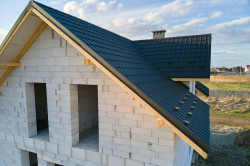
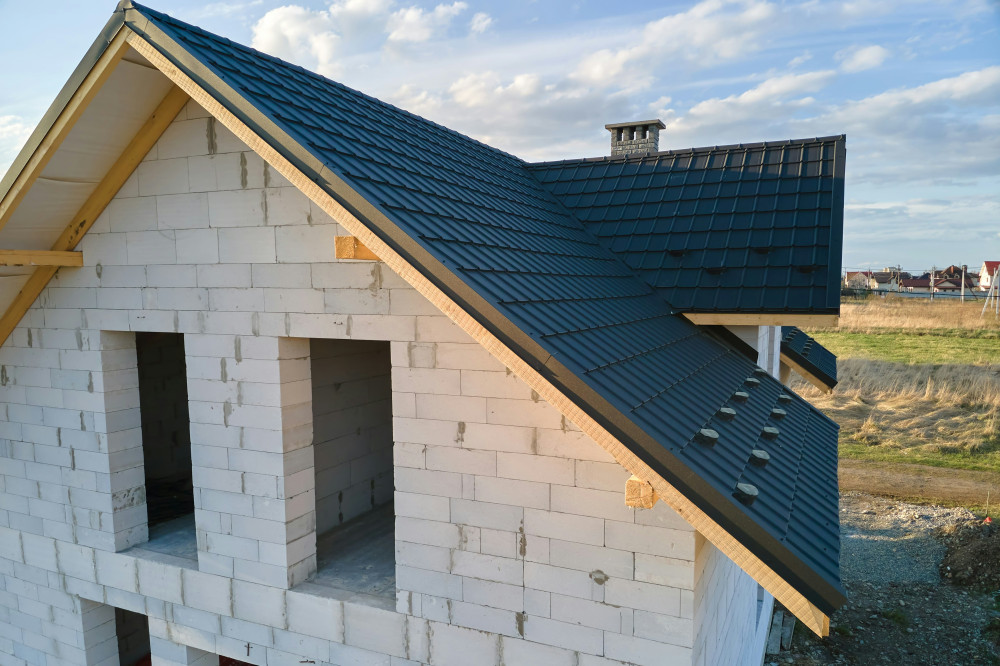
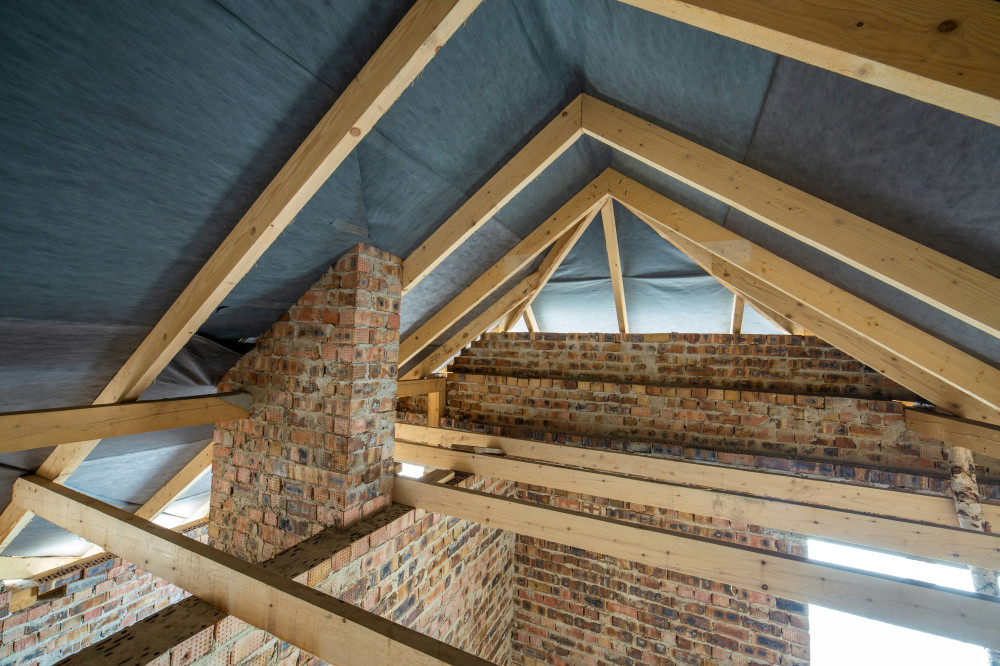
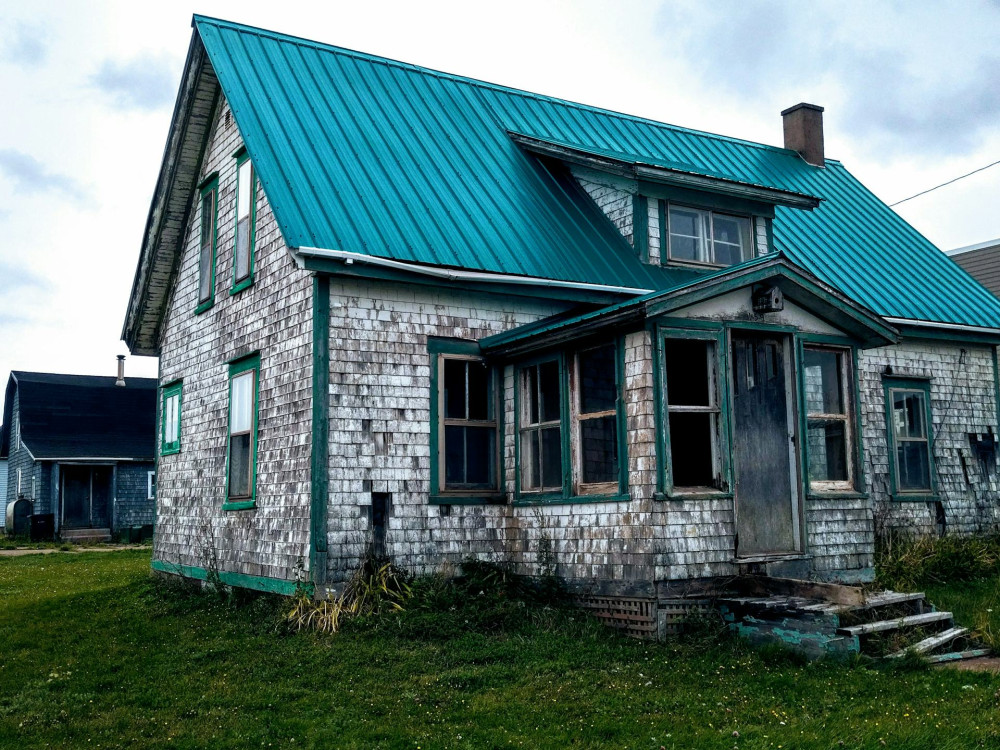
The gable roof is the most common roof type across the U.S. It features two sloping sides that meet at a ridge, forming a triangular shape at each end. This simple and efficient design suits everything from suburban homes to farmhouses and cabins.
The gable roof allows for good ventilation and attic space, and its slope easily sheds rain and snow—an advantage in colder climates. The pitch can vary depending on the chosen material and regional weather conditions.
Materials: Asphalt shingles, wood shakes, metal, clay, or concrete tiles. Style: Timeless and versatile—fits both traditional and modern homes.
Hip Roof – Balanced and Wind-Resistant
A hip roof has slopes on all four sides, which meet at the top to form a ridge. This design gives the home a smooth, symmetrical appearance and excellent stability in high winds, making it popular in hurricane-prone regions like the Southeast and coastal areas.
While more complex and costly to build than a gable roof, the hip roof offers durability and a refined look that enhances curb appeal.
Materials: Asphalt shingles, metal, or tile. Style: Elegant and sturdy—ideal for classic or upscale homes.
Mansard Roof – Space and Sophistication
The mansard roof, also known as a French roof, features two slopes on each side: a steep lower slope and a flatter upper one. This design maximizes interior space, allowing for a full upper story without increasing the building’s height significantly.
Common in historic architecture and urban townhouses, the mansard roof is also used in modern designs that aim for a distinctive, high-end appearance.
Materials: Slate, metal, or asphalt shingles. Style: Refined and architectural—adds character and usable space.
Flat Roof – Modern and Functional
Flat roofs are a hallmark of contemporary and mid-century modern architecture. Despite the name, they have a slight pitch (usually 1–5 degrees) to allow for drainage. Flat roofs require precise construction and waterproofing to prevent leaks.
They offer practical advantages, such as space for rooftop decks, solar panels, or green roofs that improve insulation and manage stormwater.
Materials: Modified bitumen, EPDM rubber, PVC membrane, or green roof systems. Style: Sleek and minimalist—perfect for modern homes and urban settings.
Shed Roof – Simple and Energy-Efficient
A shed roof, or single-slope roof, consists of one angled plane that slopes in a single direction. It’s a straightforward and cost-effective design often used for additions, small homes, or modern architectural styles.
The single slope makes it easy to install solar panels and allows for high ceilings and large windows on one side, maximizing natural light and energy efficiency.
Materials: Metal panels, asphalt shingles, or membrane roofing. Style: Clean and contemporary—adds a dynamic touch to modern designs.
The Role of Materials in Roof Design
Roofing materials greatly influence both the appearance and performance of a home.
- Asphalt shingles are affordable, durable, and available in many colors and styles.
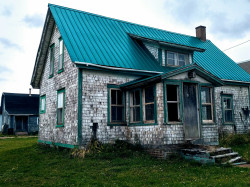
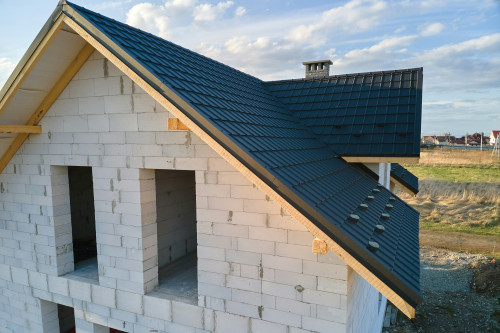
- Metal roofing offers longevity, energy efficiency, and a modern look.
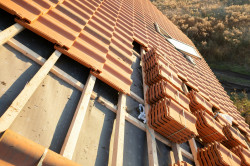
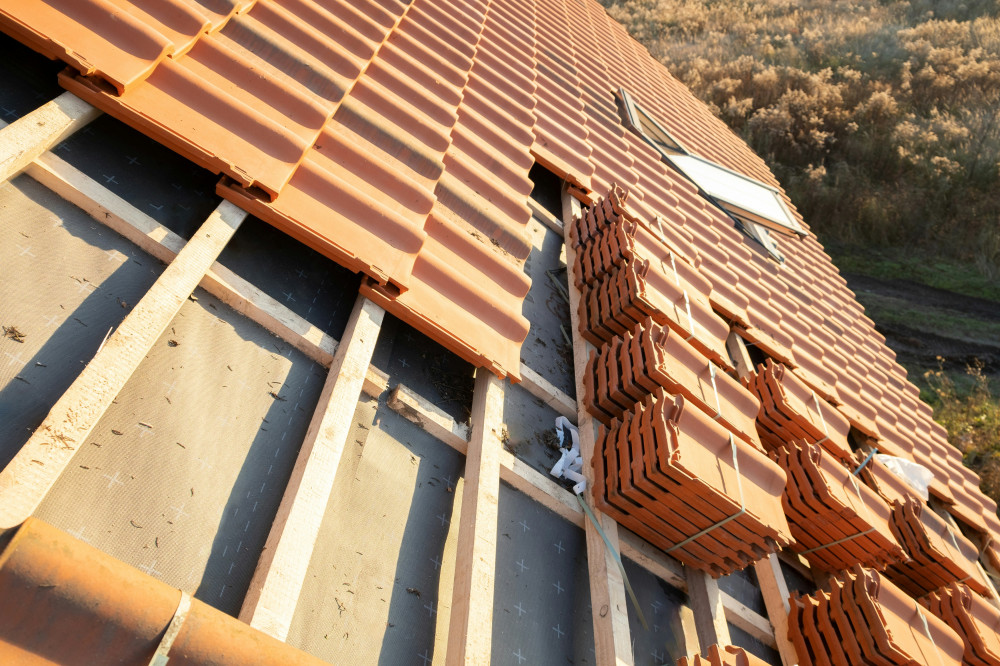
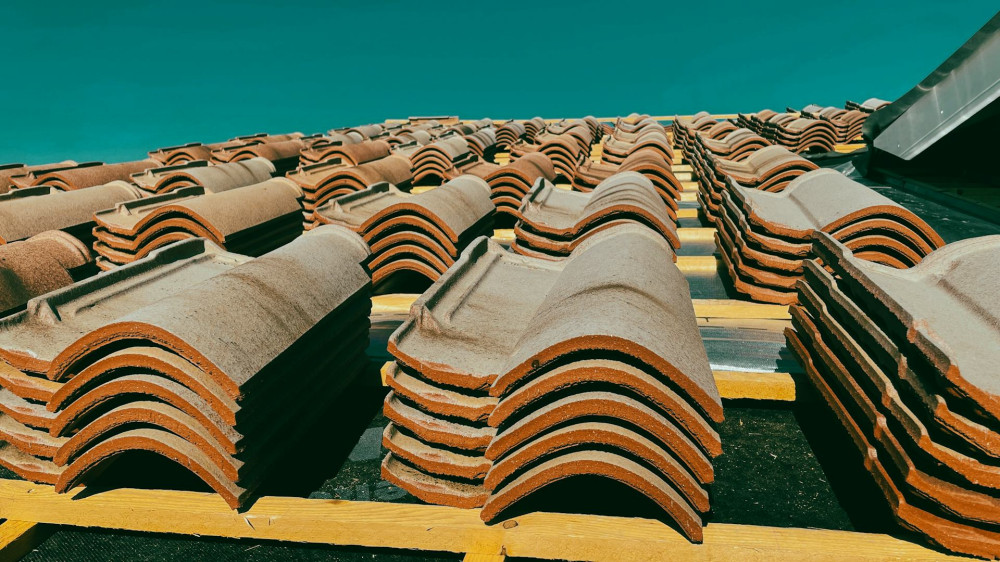
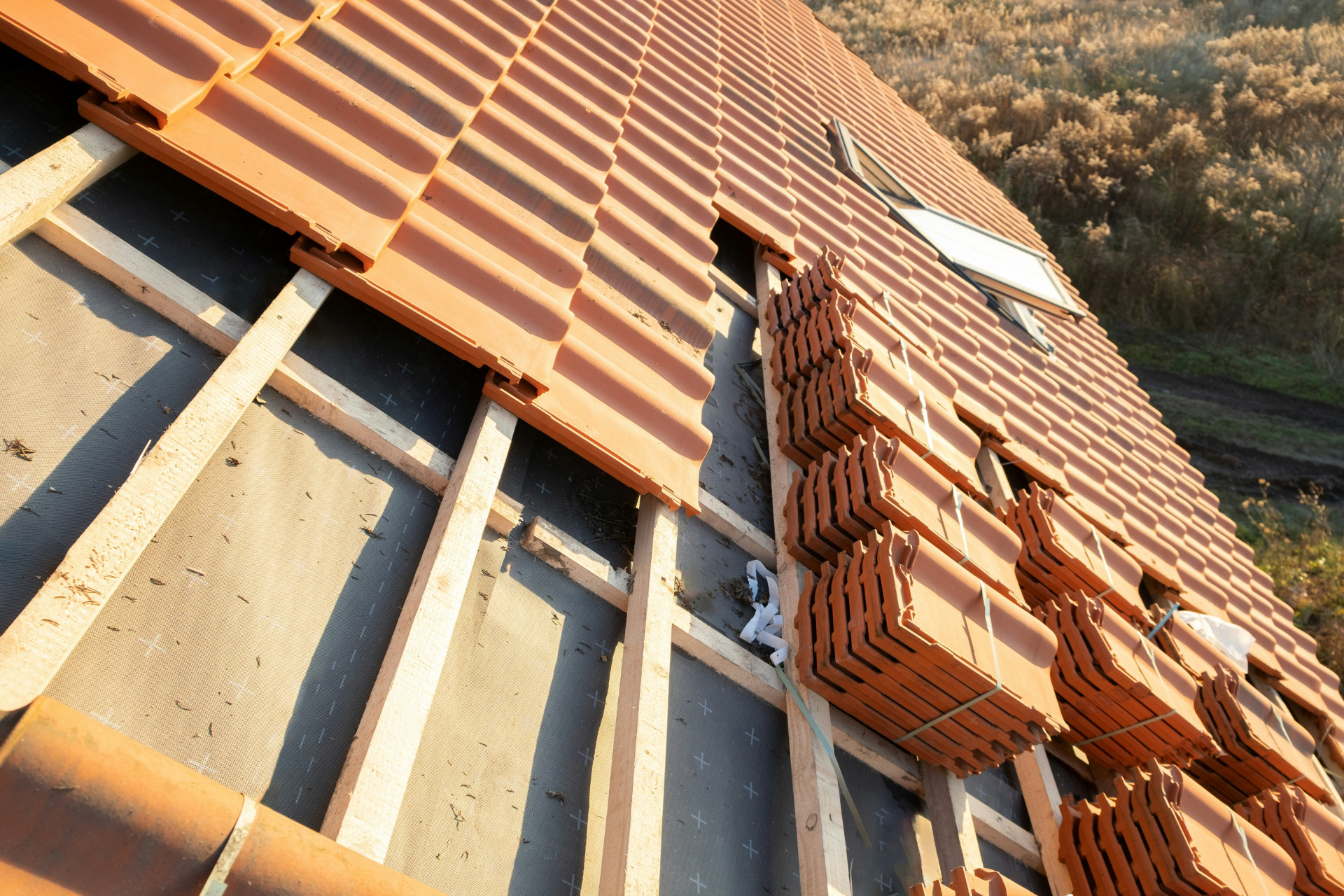
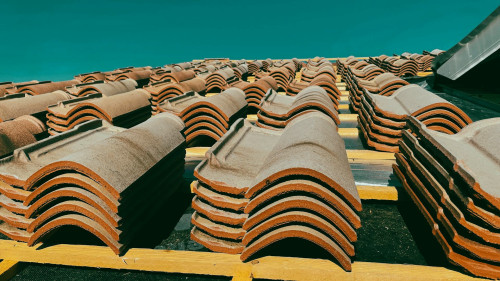
- Clay and concrete tiles provide a classic, Mediterranean feel and excellent durability in warm climates.
- Slate delivers a natural, upscale appearance but requires a strong structure.
- Wood shakes give a rustic charm but need regular maintenance.
When choosing materials, consider your home’s architecture, local building codes, and regional climate. A roof that complements its surroundings enhances both the home’s beauty and value.
Læs også:
Architecture and Harmony
A roof is more than a protective cover—it’s a key architectural element that defines a home’s personality. Its shape, color, and texture should harmonize with the façade, windows, and landscape. The right roof can elevate a home’s proportions and style, while the wrong one can disrupt its balance.
Take time to consider the whole picture before deciding. A well-chosen roof is an investment that will protect and define your home for decades—both in function and in style.
Læs også: