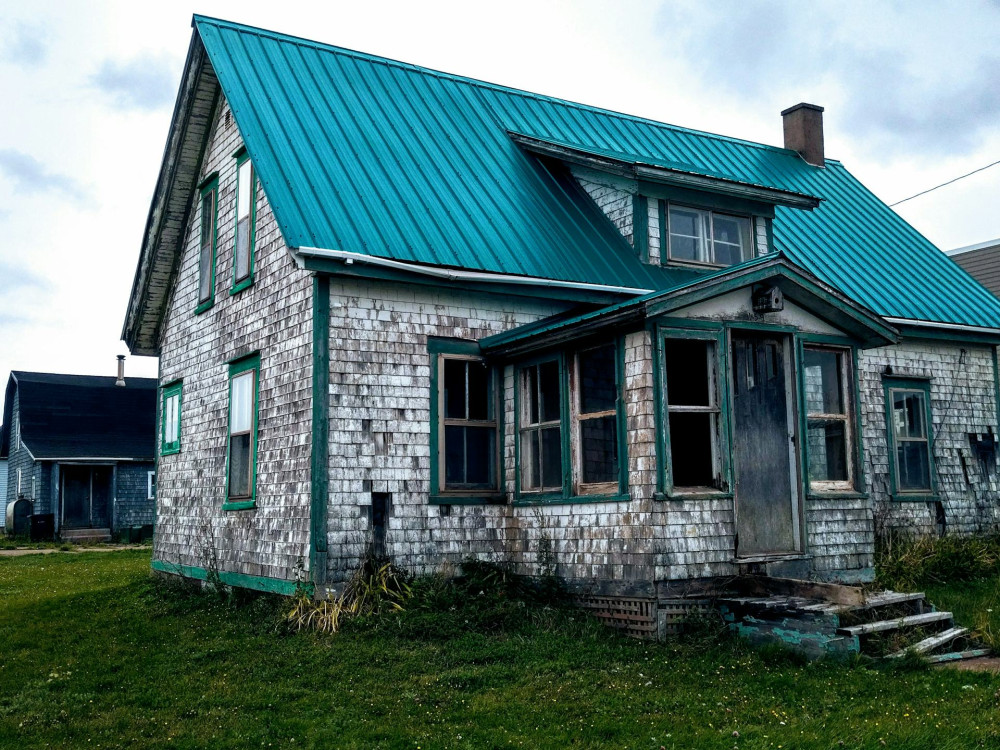
Roofing Felt and Drainage: A Functional Combination

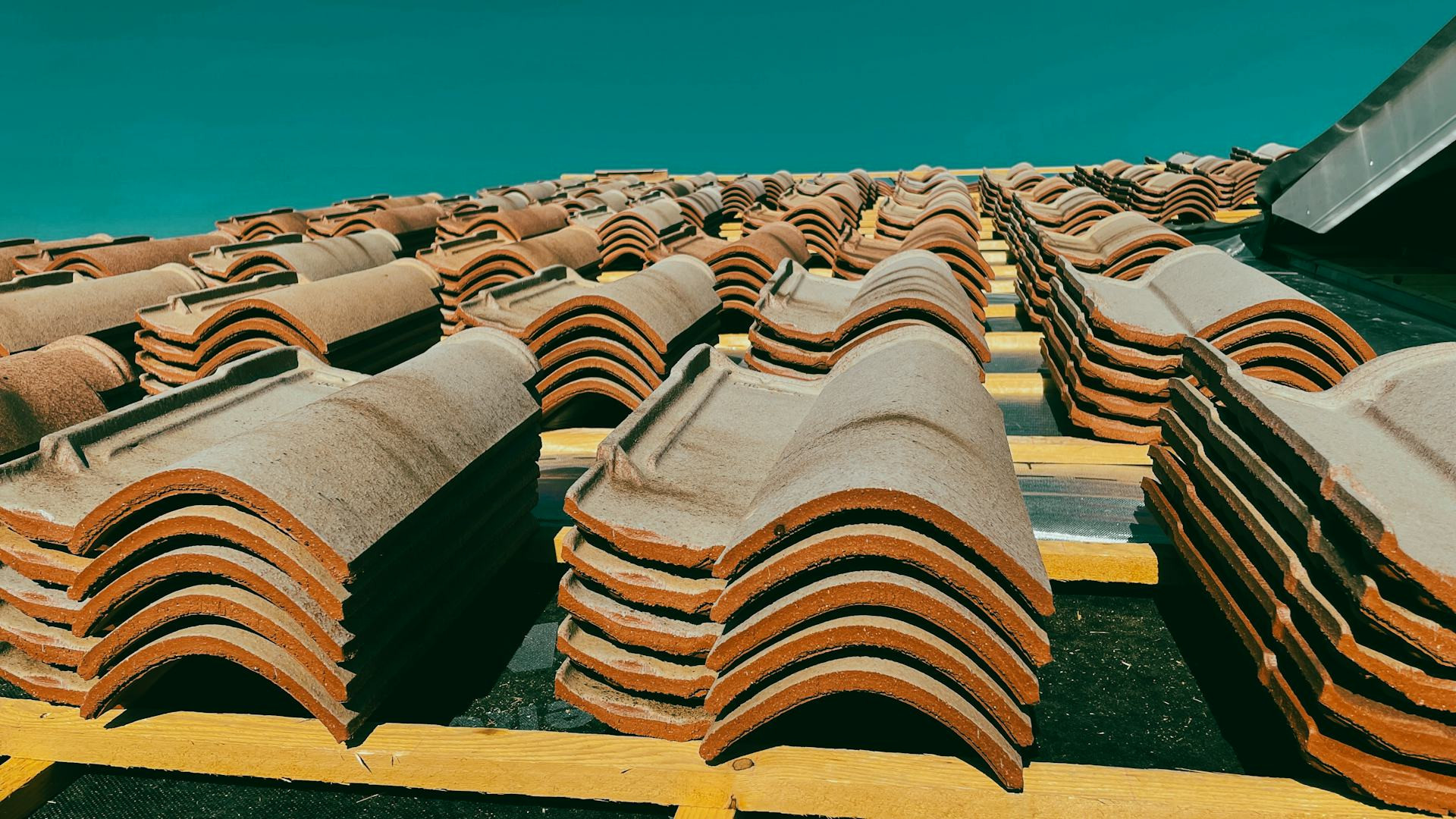
Roofing Felt and Drainage: A Functional Combination
A roof is more than just a shield against rain and wind—it’s a system where materials and functions must work together. When choosing roofing felt as a roofing material, it’s especially important to consider drainage as an integrated part of the design. The two elements are closely connected: without proper drainage, even the best roofing felt can deteriorate faster, and moisture can accumulate where it shouldn’t. Let’s take a closer look at how roofing felt and drainage form a functional combination—and what homeowners and builders in the U.S. should keep in mind.
Why Roofing Felt Remains a Reliable Choice
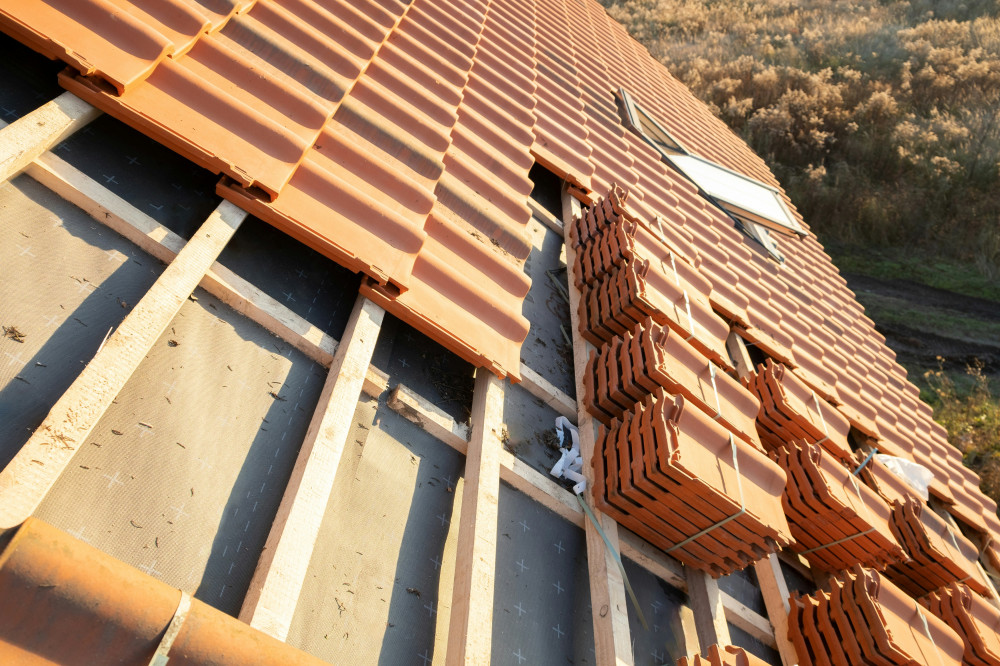
Roofing felt, often used as an underlayment or as part of a built-up roofing system, has long been valued for its durability, flexibility, and weather resistance. Modern versions—such as modified bitumen membranes—are designed to withstand UV exposure, temperature fluctuations, and mechanical wear. They’re suitable for a wide range of applications, from residential flat roofs and garages to commercial buildings.
One of the main advantages of roofing felt is its adaptability. It can be installed on both flat and low-slope roofs, providing a watertight barrier that’s relatively easy to maintain and repair. However, because these roofs often have minimal pitch, effective drainage becomes a critical factor in ensuring long-term performance.
Læs også:
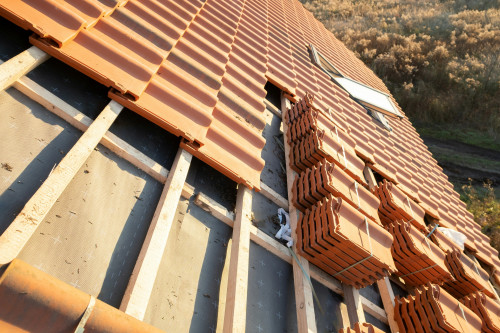
Drainage: A Necessity, Not an Option
An efficient drainage system is essential for the longevity of any roof. On low-slope or flat roofs covered with roofing felt, even small pools of standing water can cause problems over time. Prolonged moisture exposure increases the risk of leaks, freeze-thaw damage, and algae growth. That’s why drainage should be planned from the very beginning of a roofing project.
There are two main types of roof drainage systems commonly used in the U.S.:
- External drainage, where water flows to gutters and downspouts along the roof edges.
- Internal drainage, where water is collected in roof drains and carried away through pipes inside the building—a common solution for commercial or flat-roof structures.
The right choice depends on the building’s design, roof slope, and aesthetic preferences. Regardless of the system, it must be properly sized to handle heavy rainfall events, which are becoming more frequent in many parts of the country.
The Interaction Between Roofing Felt and Drainage
For roofing felt and drainage to work effectively together, precision and planning are key. The roof must have a sufficient slope—typically at least 1/4 inch per foot—to allow water to flow naturally toward drains or gutters. At the same time, the roofing felt must be carefully sealed around drains, flashings, and penetrations to prevent leaks.
Professional roofers often use specially designed drains and flashing components that are compatible with roofing felt or modified bitumen membranes. This ensures a watertight and durable connection between materials. When properly installed, the system channels water away quickly and safely, protecting the roof structure beneath.
Maintenance: The Key to Long-Term Performance
Even the best roofing system requires regular attention. A roof covered with roofing felt and equipped with a good drainage system can last for decades—but only if it’s kept clean and well-maintained. Clogged gutters, scuppers, or drains can quickly lead to standing water and damage.
It’s recommended to inspect the roof at least twice a year—ideally in spring and fall—to ensure everything is functioning properly. Pay special attention to seams, drains, and any previous repairs. A small amount of preventive maintenance can significantly extend the life of the roof.
Sustainable Solutions and Modern Alternatives
As sustainability becomes a greater priority, new ways of combining roofing felt and drainage have emerged. Green roofs, for example, use roofing felt or a similar membrane as the waterproof layer beneath vegetation. In these systems, drainage remains crucial—excess rainwater must be directed away in a controlled manner to prevent overloading the roof.
Rainwater harvesting systems are another option. With the right materials and filtration, water collected from roofs can be reused for irrigation or non-potable household purposes. This approach not only conserves water but also reduces runoff pressure on municipal systems.
A System That Pays Off
When roofing felt and drainage are designed and installed as a unified system, the result is a roof that’s functional, durable, and visually appealing. It protects the building from moisture, reduces maintenance needs, and helps the structure withstand increasingly extreme weather conditions.
In short: a good roof isn’t just about the material—it’s about how all the components work together. And in that equation, drainage is an indispensable part of the whole.
Læs også: