Combine Sewer Renovation with Improved Drainage Around the House

Combine Sewer Renovation with Improved Drainage Around the House
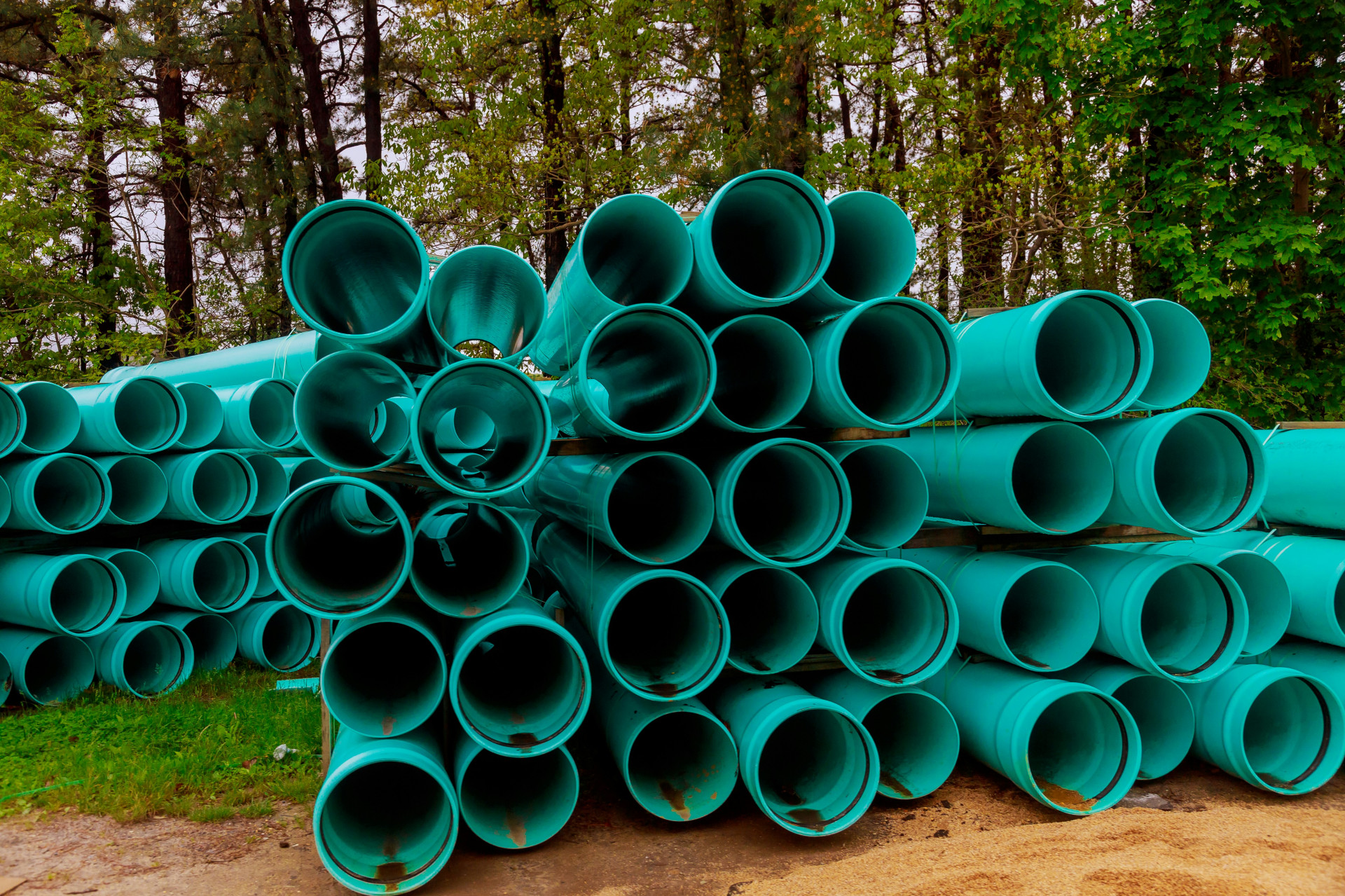
When your home’s sewer lines need renovation, it’s the perfect time to think beyond the pipes underground. Many homeowners struggle with water pooling near the foundation, damp basements, or even minor flooding after heavy rain. These issues often stem from poor drainage around the house. By combining sewer renovation with improved surface and subsurface drainage, you can protect your property, increase comfort, and prepare your home for more extreme weather events.
Why Combine Sewer Work and Drainage Improvements?
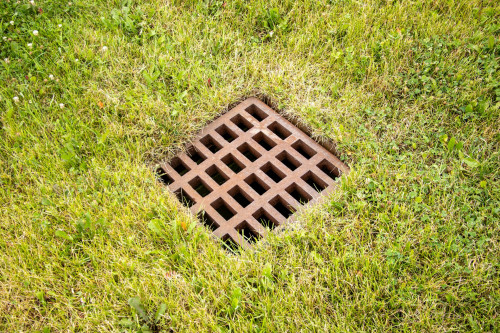
Your home’s sewer system and its drainage setup are closely connected. If rainwater isn’t directed away efficiently from the roof, driveway, and yard, it can overload the sewer system and cause backups or foundation damage. Likewise, an old or leaking sewer line can worsen moisture problems by allowing wastewater to seep into the surrounding soil.
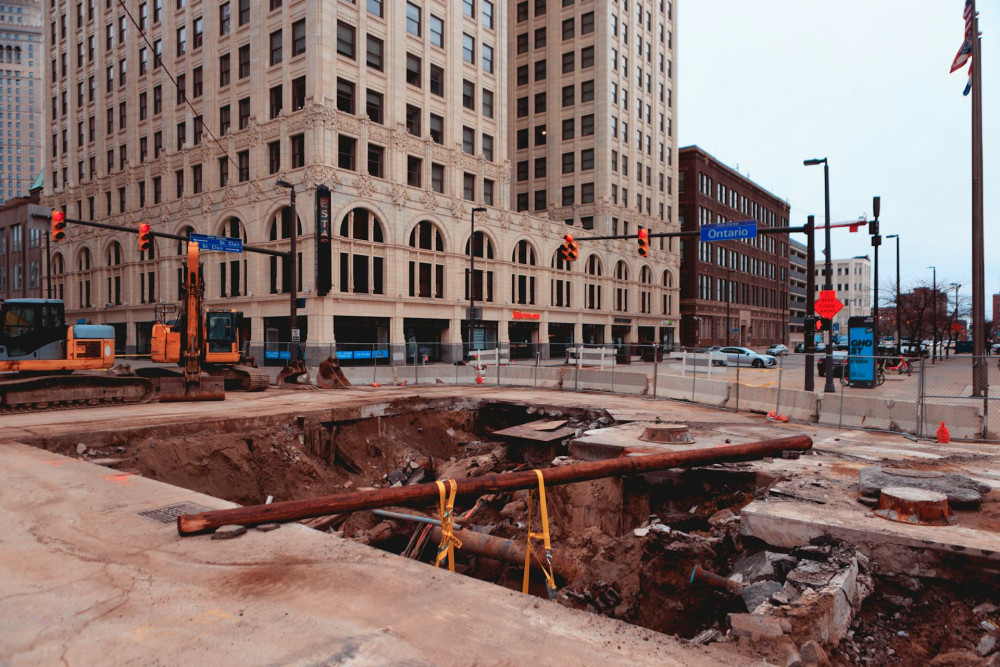
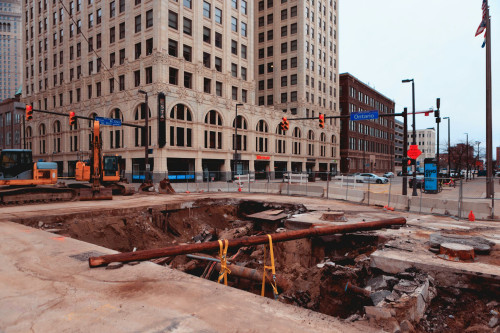
Since sewer renovation often involves excavation, it’s both practical and cost-effective to address drainage at the same time. This integrated approach allows you to optimize the entire system—from gutters and downspouts to underground pipes and storm drains.
Signs It’s Time to Act
Several warning signs may indicate that both your sewer and drainage systems need attention:
- Water pooling near the foundation after rain.
- Damp or musty-smelling basement walls.
- Slow drains or sewer backups during storms.
- Cracked or uneven pavement where water doesn’t drain properly.
- Frequent clogs or gurgling sounds in household drains.
If you notice any of these issues, contact a licensed plumber or drainage specialist. A video inspection can reveal sewer damage, while a site evaluation can determine whether surface water is being directed away from your home effectively.
Læs også:
Options for Better Drainage
When planning a sewer renovation, consider adding modern drainage solutions that manage stormwater more efficiently and sustainably:
- French drains – gravel-filled trenches that redirect groundwater away from the foundation.
- Rain gardens – landscaped depressions that absorb and filter runoff while adding beauty to your yard.
- Permeable pavers – allow rainwater to soak into the ground instead of running off into the street.
- Foundation drains – protect basements and crawl spaces by channeling water away from the house.
- Rain barrels or cisterns – collect roof runoff for garden use and reduce the load on municipal systems.
These solutions can be combined to create a resilient drainage system that protects your home and supports local water management.
Benefits of Combining the Projects
Treating sewer renovation and drainage improvement as one coordinated project offers several advantages:
- Single excavation – save time and money by digging once instead of twice.
- Better coordination – plumbers, landscapers, and contractors can design complementary solutions.
- Future protection – your home will be better prepared for heavy rainfall and flooding.
- Increased property value – a dry, well-drained yard and reliable sewer system make your home more appealing.
- Environmental benefits – less stormwater entering the sewer system means reduced strain on local infrastructure.
How to Get Started
- Schedule an inspection – have a licensed plumber assess the condition of your sewer lines.
- Develop a comprehensive plan – include both sewer and drainage improvements in one design.
- Check local regulations – some stormwater solutions may require permits or approval from your city or county.
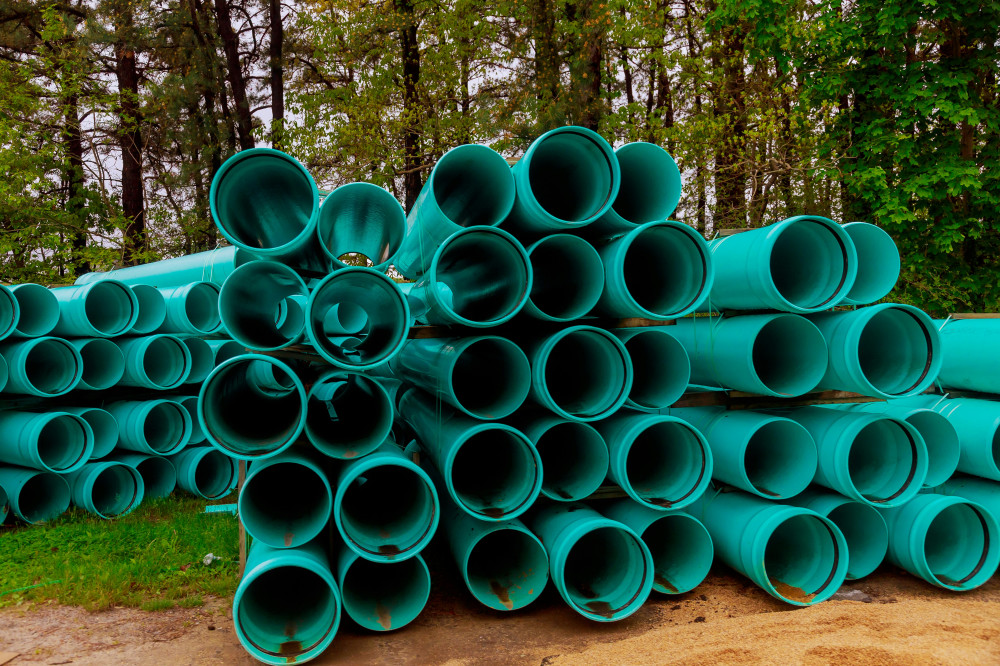
- Choose durable materials – invest in long-lasting pipes, fittings, and drainage components.
- Maintain regularly – clean gutters, inspect drains, and ensure water continues to flow away from the house.
A Smart Investment in Comfort and Security
Sewer renovation may not be the most exciting home project, but it can become a valuable investment when paired with improved drainage. You’ll gain a safer, drier, and more comfortable home while reducing the risk of costly water damage.
By taking a holistic approach now, you can avoid future repairs, increase your property’s resilience, and contribute to more sustainable stormwater management in your community.
Læs også: