How to Prevent Freezing Damage in Outdoor Sewer Components

How to Prevent Freezing Damage in Outdoor Sewer Components
When winter approaches and temperatures drop, it’s not just water pipes and gutters that are at risk of freezing. Outdoor sewer components—such as cleanouts, drains, and pipes—can also suffer damage if they’re not properly protected. Freezing can lead to blocked drains, cracked pipes, and costly repairs. Fortunately, with a few simple precautions, you can prevent these problems before the cold sets in.
Why Freezing Damage Happens
Freezing damage occurs when water trapped in pipes or drains turns to ice and expands. This expansion creates pressure that can crack pipes or loosen joints. The parts of your sewer system most at risk are those close to the surface, where frost penetrates deepest, or areas where water tends to sit still for long periods.
Common risk areas include:
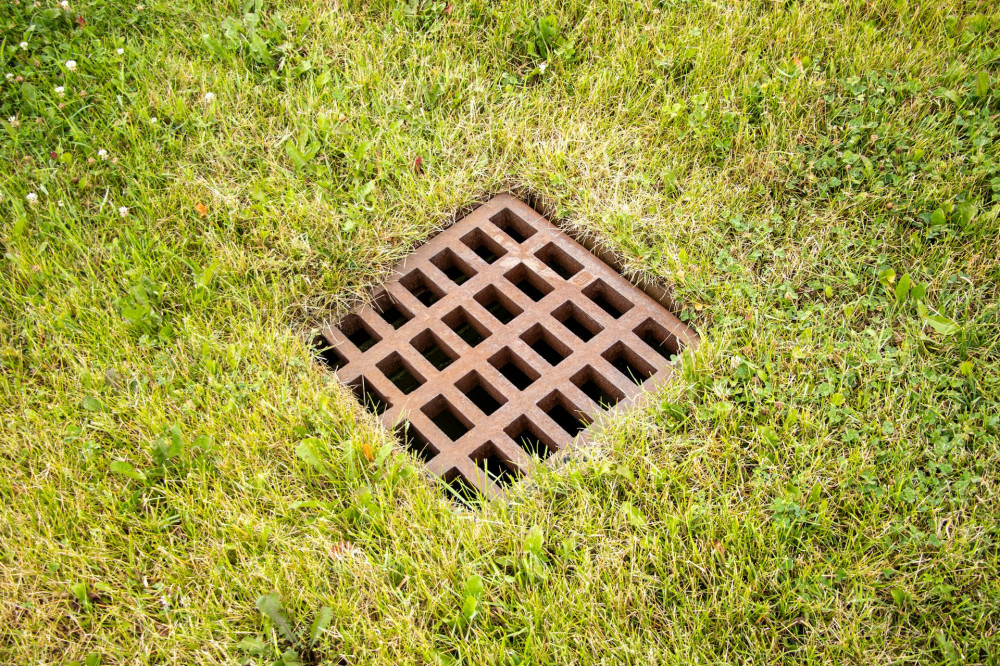
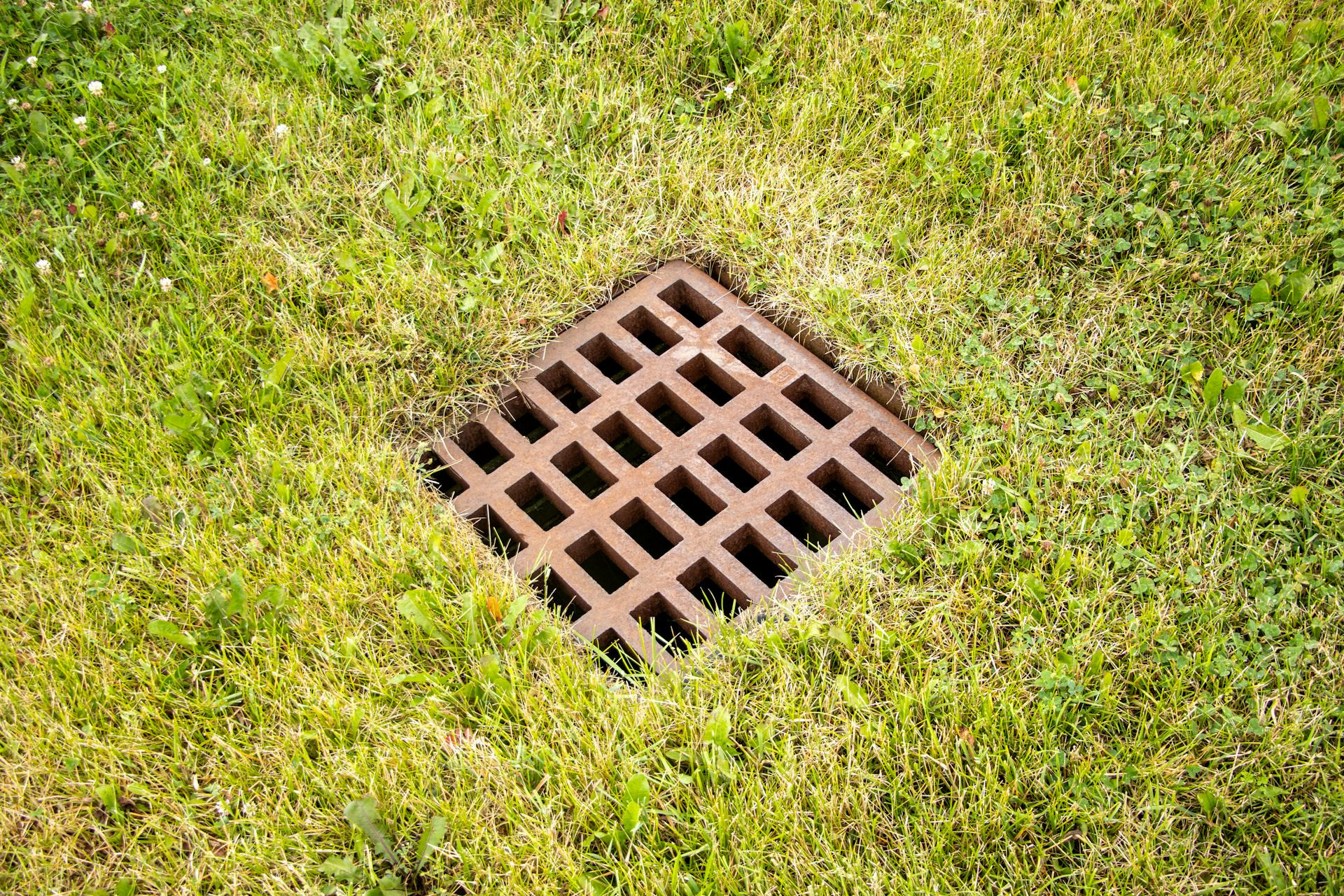
- Downspout drains and yard drains
- Cleanout caps and access points near the surface
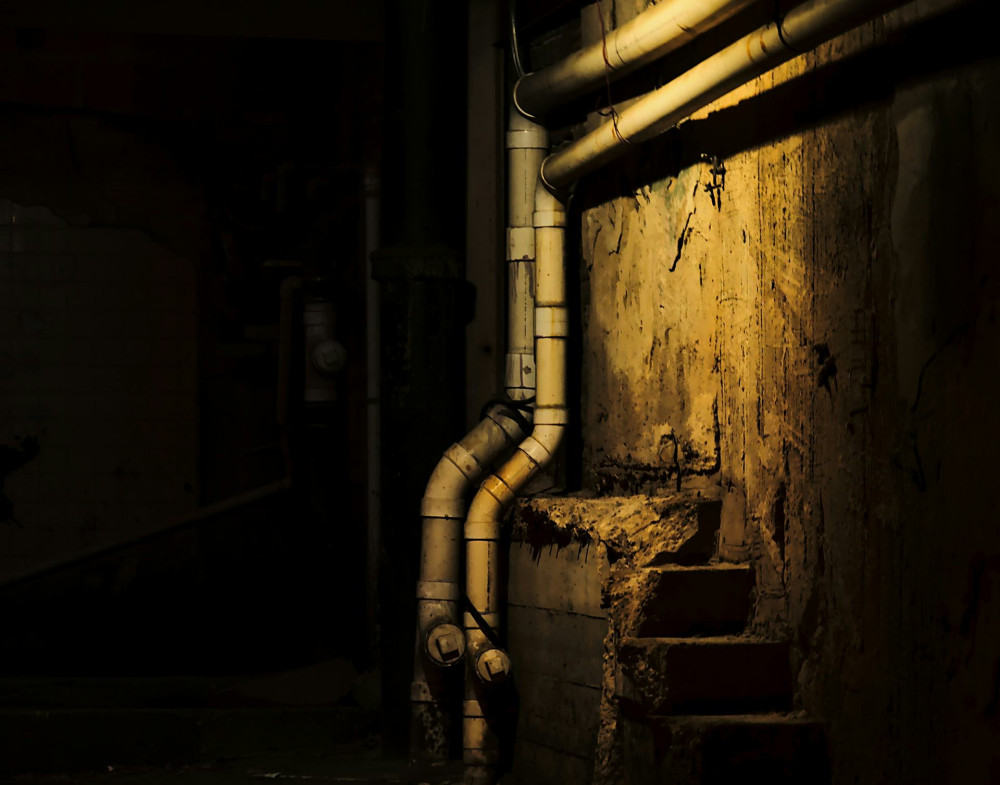
- Uninsulated pipes in crawl spaces, garages, or under patios
Clean and Inspect Drains Before Winter
One of the most effective ways to prevent freezing damage is to make sure water can flow freely. Leaves, dirt, and debris can quickly clog outdoor drains and catch basins, trapping water that can freeze solid.
Before winter arrives, take these steps:
- Clear leaves and debris from gutters and downspouts.
- Clean out catch basins and yard drains.
- Make sure drain grates are not covered by leaves, mulch, or snow.
- Test outdoor drains by pouring a bucket of water in to confirm proper flow.
A clean, free-flowing drainage system is your best defense against freeze-related damage.
Insulate Exposed Pipes and Connections
Pipes that run close to the surface or through unheated spaces should be insulated. Foam pipe sleeves or fiberglass insulation, available at most hardware stores, work well. Make sure the insulation fits snugly and is protected from moisture with plastic wrap or weatherproof tape.
If you have outdoor drains or water lines that are only used seasonally—such as those connected to an outdoor sink or kitchen—consider shutting them off and draining them completely for the winter. Close the supply valve and let the line empty to prevent trapped water from freezing.
Eliminate Standing Water
Standing water freezes faster than moving water. Check your system for low spots where water might collect. If you have a drain that’s rarely used, you can pour a small amount of environmentally safe antifreeze designed for plumbing systems into it to help prevent ice formation.
Also, make sure drain covers and cleanout caps fit tightly to keep rain and meltwater from entering and freezing inside.
Læs også:

Monitor Throughout the Winter
Even with good preparation, winter weather can be unpredictable. Inspect your outdoor drains periodically, especially after long cold spells or sudden thaws. If you notice slow drainage or ice buildup, act quickly.
Never use boiling water to thaw frozen pipes—it can damage the material. Instead, use warm water or a space heater if accessible. For serious blockages or suspected pipe damage, contact a licensed plumber or sewer specialist.
If Damage Occurs
If you notice cracks, leaks, or damp spots around outdoor drains, these may be signs of freeze damage. It’s important to have them inspected promptly, as small cracks can worsen when the ground shifts during freeze-thaw cycles.
A professional plumber can inspect the system with a camera and determine whether repairs or replacements are needed.
A Small Effort for Big Protection
Preventing freezing damage in outdoor sewer components doesn’t require major expense, but it can save you from significant trouble and cost. A bit of cleaning, insulation, and inspection before winter can make a big difference when temperatures drop.
With a little preparation and regular maintenance, you can keep your sewer system working smoothly all year long—even when the ground is frozen solid.
Læs også: