New Construction Methods Address Stormwater Challenges

New Construction Methods Address Stormwater Challenges
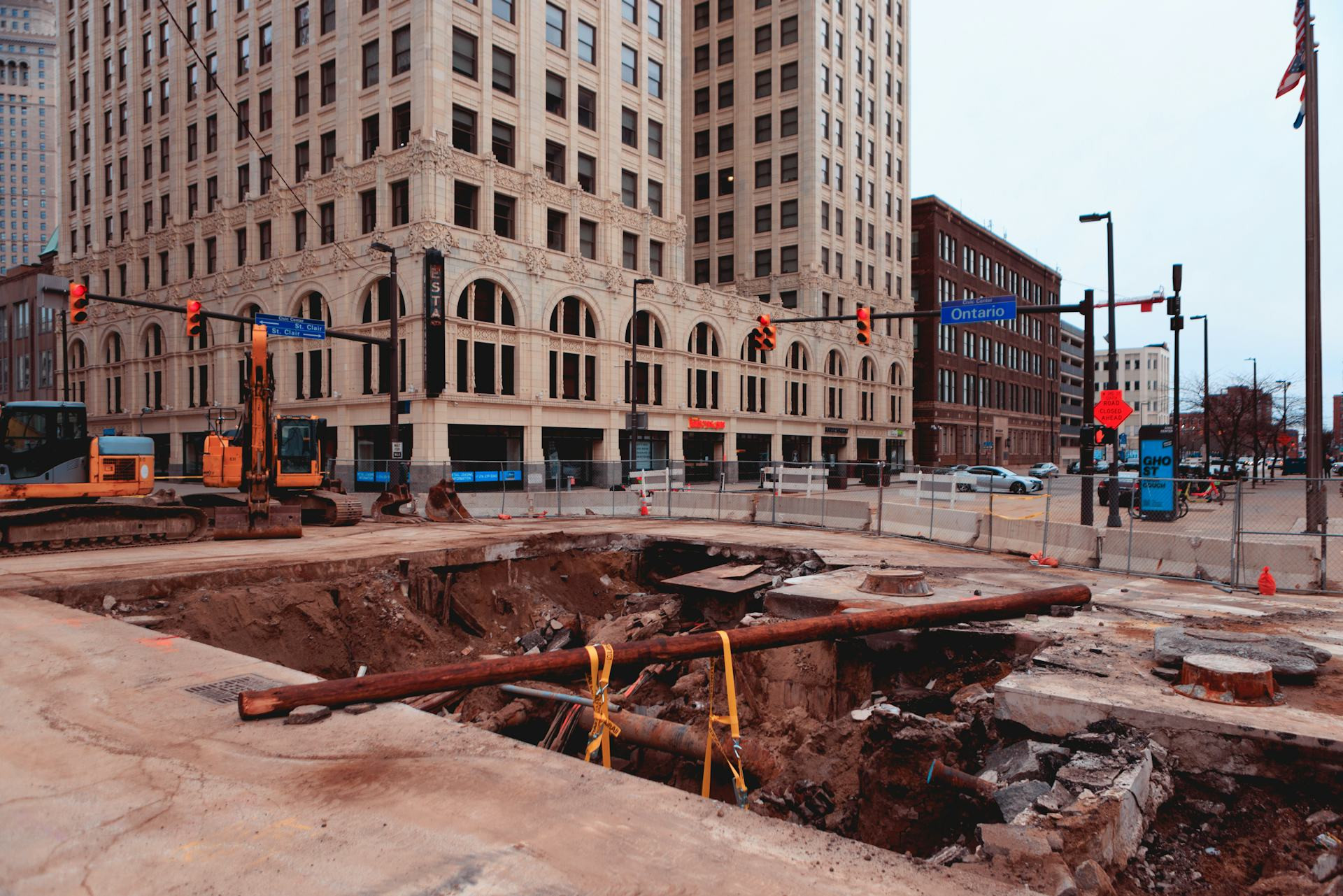
Across the United States, communities are facing heavier rainfall and more frequent flooding events. Climate change is intensifying storms, putting pressure on drainage systems and threatening homes, roads, and public infrastructure. To meet these challenges, architects, engineers, and city planners are rethinking how buildings and neighborhoods handle water. Innovative construction methods are turning stormwater from a problem into a valuable resource—while creating greener, more resilient cities.
From Runoff to Resource
For decades, stormwater was treated as something to be removed as quickly as possible through pipes and sewers. Today, that mindset is shifting. Water is increasingly seen as a resource that can support urban greenery, recharge groundwater, and enhance public spaces. This approach—often called green infrastructure or low-impact development (LID)—focuses on managing water where it falls, rather than channeling it away.
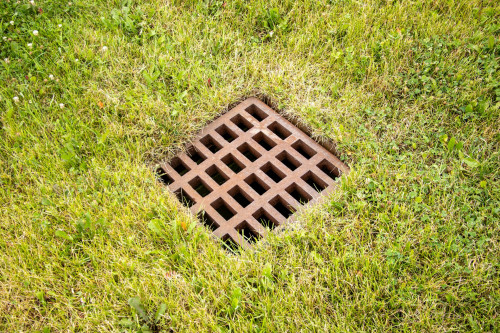
Green infrastructure includes features such as rain gardens, bioswales, permeable pavements, and rainwater harvesting systems. These methods slow down runoff, allow water to soak into the ground, and filter out pollutants before they reach rivers and lakes.
Green Roofs and Living Walls
One of the most visible examples of this new approach is the green roof. Covered with vegetation, these roofs absorb and store rainwater, reducing the amount that flows into storm drains during heavy downpours. They also provide insulation, lower building energy use, and help cool urban areas.
Some designers are going further by adding living walls—vertical gardens that capture rainwater, improve air quality, and bring natural beauty to dense cityscapes. Cities like Chicago, Portland, and New York are encouraging these features through building incentives and sustainability programs.
Rain Gardens and Permeable Surfaces
In residential neighborhoods and commercial developments alike, rain gardens are becoming a common sight. These shallow, landscaped depressions collect runoff from roofs, driveways, and streets, allowing it to slowly infiltrate the soil. Native plants in rain gardens not only tolerate wet conditions but also attract pollinators and improve biodiversity.
Permeable pavements are another key innovation. Instead of sealing the ground with traditional asphalt or concrete, these surfaces let water pass through. They can be made from porous concrete, interlocking pavers, or gravel systems that reduce puddles and flooding on parking lots, sidewalks, and plazas.
Designing Water Into the City
Many U.S. cities are now integrating stormwater management into urban design. Rather than hiding water underground, planners are making it a visible and functional part of the landscape. In Philadelphia, the “Green City, Clean Waters” program has transformed streetscapes with rain gardens and tree trenches. In Seattle, the SEA Streets project redesigned residential blocks to mimic natural drainage, cutting runoff by nearly 100 percent.
These projects show how stormwater solutions can double as public amenities—creating shaded walkways, community gardens, and attractive gathering spaces that also protect against flooding.
Læs også:
New Materials and Smart Technologies
Advances in materials and digital tools are helping builders design more effective systems. Porous concrete and water-absorbing composites are being tested for sidewalks and plazas. Smart sensors can monitor water levels in real time, alerting maintenance crews before flooding occurs. Meanwhile, computer modeling and 3D simulations allow engineers to predict how water will move through a site long before construction begins.
These technologies make it possible to tailor solutions to local conditions—whether it’s a coastal city facing sea-level rise or an inland community coping with flash floods.
Smarter Homes and Neighborhoods
Homeowners are also part of the solution. Many new houses now include rain barrels, infiltration trenches, or small rain gardens to manage runoff on-site. Some systems collect rainwater for toilet flushing or irrigation, reducing both water bills and strain on municipal systems. Local governments and utilities in states like California, Texas, and Minnesota offer rebates for installing such features, recognizing their collective impact on flood prevention.
Building for a Wetter Future
Stormwater challenges are here to stay, but they don’t have to spell disaster. By embracing new construction methods and designing with water in mind, American cities can become more resilient, sustainable, and livable. The future of building isn’t just about keeping water out—it’s about learning to live with it in ways that benefit both people and the environment.
Læs også: