Rats in the Sewer? Why Rodent Proofing Is Essential for Homeowners

Rats in the Sewer? Why Rodent Proofing Is Essential for Homeowners
Rats are among the most destructive and unsettling pests that can invade American homes. They chew through wiring, contaminate food, and spread diseases that threaten both people and pets. Many homeowners don’t realize they have a problem until it’s already serious. But with proper rodent proofing, you can prevent costly damage and protect your home’s health and safety. Here’s why rodent proofing is so important—and how to do it effectively.
Sewer Rats: The Hidden Threat Beneath Your Home
Most city rats live in sewer systems, where they have access to food waste, warmth, and water. When pipes crack or joints loosen, these rodents can easily find their way into homes. A rat can squeeze through openings as small as half an inch and climb up through drains, toilets, or vent pipes.
Older homes are especially vulnerable because aging sewer lines often have gaps or corrosion that create perfect entry points. If you hear scratching in the walls, notice a foul odor, or find small holes in your yard near the foundation, it may be time to have your plumbing inspected.
What Rodent Proofing Means—and How It Works
Rodent proofing is all about blocking rats and mice from entering your home through the sewer or foundation. Depending on your home’s age and plumbing system, there are several effective methods:
- Sewer backflow valves or rat guards – These mechanical devices allow wastewater to flow out but prevent rodents from traveling up the pipes into your home.
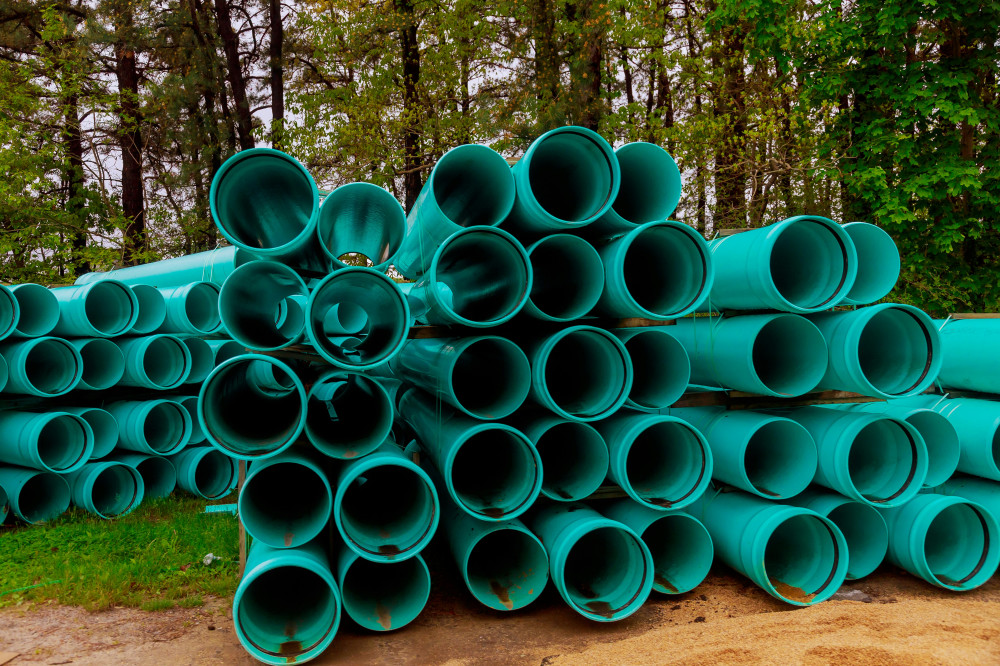
- Pipe repair and sealing – Cracked or corroded pipes should be repaired or replaced to eliminate hidden access points.
- Video inspections – A licensed plumber can use a camera to inspect your sewer lines for damage or openings that rats could exploit.
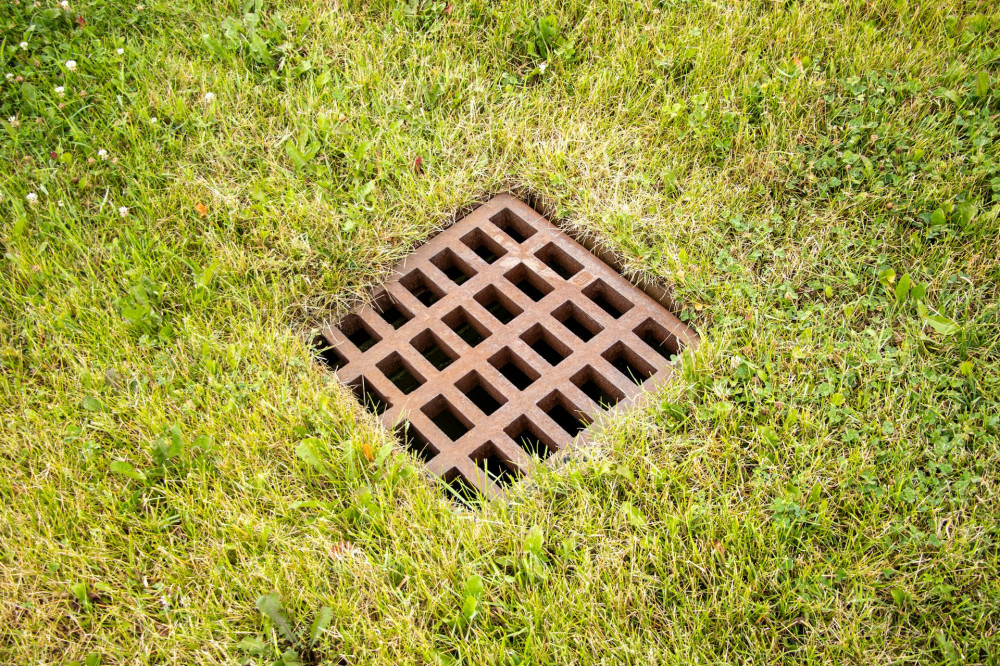
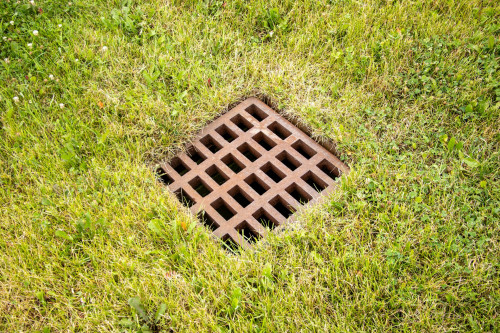
- Maintenance of manholes and drain covers – Loose or broken covers can give rats easy access to your property.
Rodent proofing isn’t a one-time fix. Valves and barriers need regular cleaning and inspection to ensure they continue to work properly.
Læs også:


Signs You Might Have Rats
Rats are nocturnal and often stay hidden, but they leave behind clear evidence. Watch for:
- Scratching or scurrying sounds in walls, ceilings, or under floors
- Small, dark droppings about the size of a grain of rice
- Gnaw marks on wires, wood, or food packaging
- Burrows or holes near foundations or in the yard
- A strong, musky odor similar to ammonia
If you suspect rats, contact a licensed pest control professional immediately. Avoid using poison on your own—it can be dangerous to children, pets, and wildlife, and may not solve the root of the problem.
Prevention: The Best Defense
The most effective way to keep rats away is to make your home unattractive to them. Simple preventive steps can make a big difference:
- Keep trash cans tightly sealed and clean.
- Don’t leave pet food or bird seed outside overnight.
- Pick up fallen fruit and yard debris that could attract rodents.
- Inspect and maintain drain covers and vents.
- Schedule regular plumbing inspections, especially if your home is older or has had past issues.
Investing in rodent proofing may seem like an extra expense, but it can save you thousands in repairs and protect your family’s health.
Professional Help Pays Off
While some preventive measures are easy to handle yourself, effective rodent proofing often requires professional expertise. Licensed plumbers and pest control specialists can identify vulnerabilities, install proper barriers, and provide ongoing maintenance plans. Many companies offer annual inspections to ensure your sewer system remains secure.
Knowing that your home’s plumbing is protected gives you peace of mind—and keeps unwanted guests where they belong: outside.
A Healthy Home Starts Below Ground
Rats aren’t just a nuisance; they’re a warning sign that something is wrong with your home’s infrastructure. By taking rodent proofing seriously, you’re safeguarding your property, your health, and your comfort. A well-maintained sewer system is the foundation of a healthy home—and prevention is the key to keeping it that way.
Læs også: