Wastewater and the Environment – How Homes Affect Nearby Streams and Lakes

Wastewater and the Environment – How Homes Affect Nearby Streams and Lakes
When we flush the toilet, run the dishwasher, or take a shower, we rarely think about where that water goes. Yet every drop that leaves our homes eventually finds its way back into the environment. If our plumbing or treatment systems fail, the wastewater can harm nearby streams, lakes, and even groundwater. This article explores how household wastewater affects nature—and what homeowners can do to reduce their impact.
What Is Wastewater and Where Does It Go?
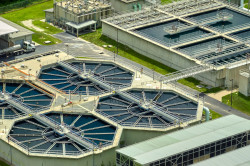
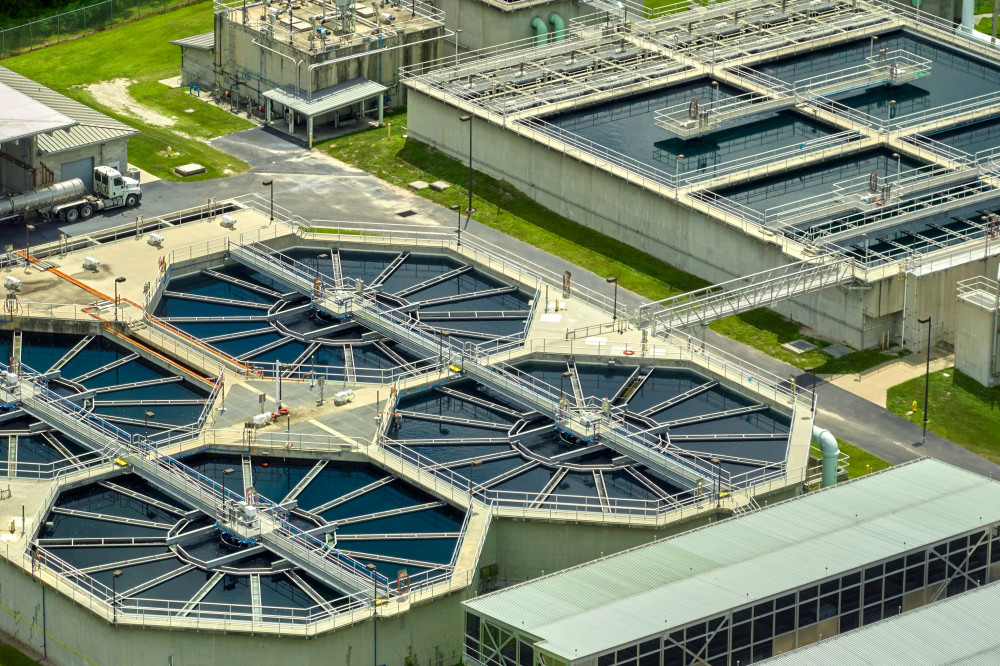
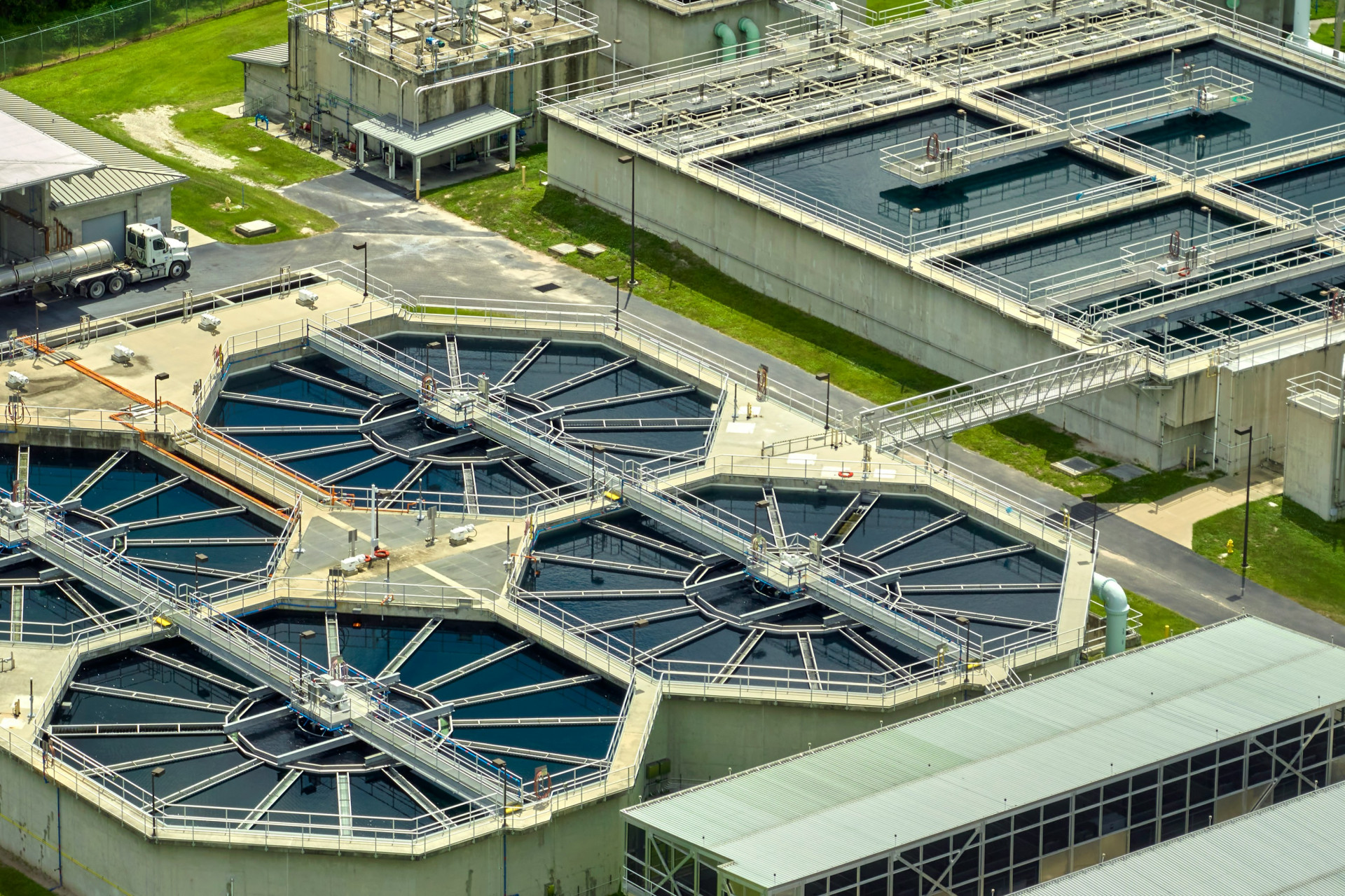
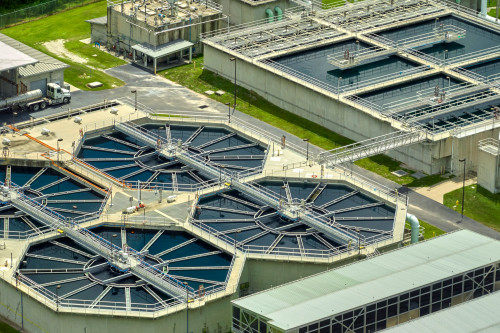
Wastewater includes all the water used in daily life: from sinks, showers, washing machines, and toilets. In most U.S. cities and towns, it flows through a public sewer system to a wastewater treatment plant. There, pollutants are removed before the treated water is released into rivers or lakes.
In rural areas without public sewers, homes often rely on septic systems or small treatment units. These systems work by separating solids and allowing liquid effluent to filter through soil. If a septic tank is not pumped or maintained properly, untreated wastewater can leak into the ground and reach nearby waterways.
When Nutrients Cause Imbalance
One of the biggest environmental challenges linked to wastewater is the release of nutrients such as nitrogen and phosphorus. These elements are essential for life, but in excess they disrupt aquatic ecosystems. The result is eutrophication—a process where algae grow rapidly, forming thick mats on the water’s surface.
As algae die and decompose, they consume oxygen, suffocating fish and other aquatic organisms. Lakes become murky, and streams lose their natural diversity. Even small leaks from septic systems or sewer overflows can have a major effect on small ponds and creeks.
Bacteria and Chemicals – Hidden Threats
Beyond nutrients, wastewater can carry bacteria, viruses, and chemical residues from cleaning products, medications, and personal care items. Many of these substances are difficult to remove completely during treatment and can persist in the environment.
In surface waters, they may harm fish, amphibians, and plants, and in some cases contaminate drinking water sources. That’s why both local governments and residents share responsibility for limiting what goes down the drain.
Læs også:

Stormwater and Overflows – When Systems Are Overloaded
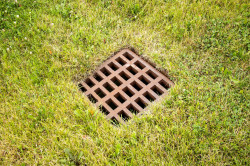
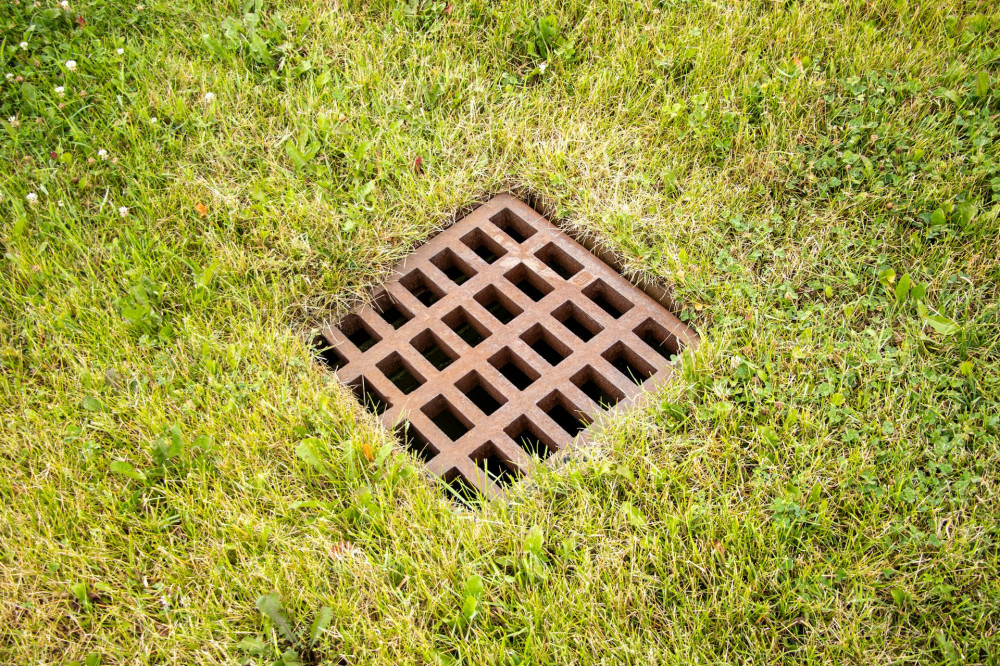
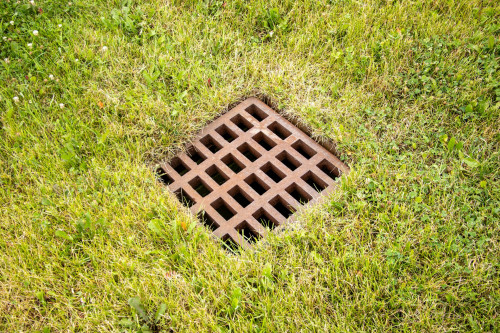
Heavy rainstorms are becoming more frequent in many parts of the United States due to climate change. When sewer systems can’t handle the volume, combined sewer overflows occur—sending a mix of stormwater and untreated wastewater directly into rivers or lakes to prevent flooding. This temporary release can introduce pathogens and pollutants into the environment.
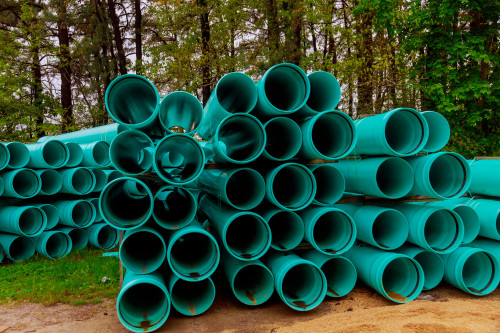
To address this, many communities are investing in separate sewer systems, where stormwater and wastewater travel through different pipes. Others are promoting green infrastructure—rain gardens, permeable pavements, and green roofs—to absorb and filter rainwater before it reaches the sewer.
What Homeowners Can Do
While large-scale solutions depend on municipalities and utilities, homeowners can make a meaningful difference:
- Maintain your septic system – Have it inspected and pumped regularly to prevent leaks.
- Avoid pouring chemicals down the drain – Use environmentally friendly cleaning products and dispose of paint, oil, and medications at designated collection sites.
- Manage stormwater on your property – Install rain barrels or create rain gardens to reduce runoff.
- Conserve water – Using less water means producing less wastewater.
- Watch for warning signs – Wet spots, odors, or slow drains may indicate a problem with your system.
Small actions at home can add up to big improvements for local waterways.
A Shared Responsibility for Clean Water
Clean water is one of our most valuable natural resources. Protecting streams, lakes, and groundwater requires cooperation among homeowners, communities, and public agencies. By caring for our wastewater systems and being mindful of what we send down the drain, we help preserve healthy ecosystems—for ourselves and for future generations.
Læs også: